What Makes a High-Quality Electrical Control Panel?
An electrical control panel sits at the centre of many industrial systems. It controls how machines start, stop, and respond to changing conditions. When a panel is designed and built well, it tends to go unnoticed because everything works as expected. When it is not, issues often appear quickly in the form of faults, downtime, or difficult maintenance.
Understanding what makes a high-quality control panel comes down to looking at how it is designed, built, and used in real environments.
How important is clear and practical design?
A well-designed panel begins with a clear understanding of how the system will operate. This includes how equipment interacts, what safety measures are required, and how operators will use the system day to day.
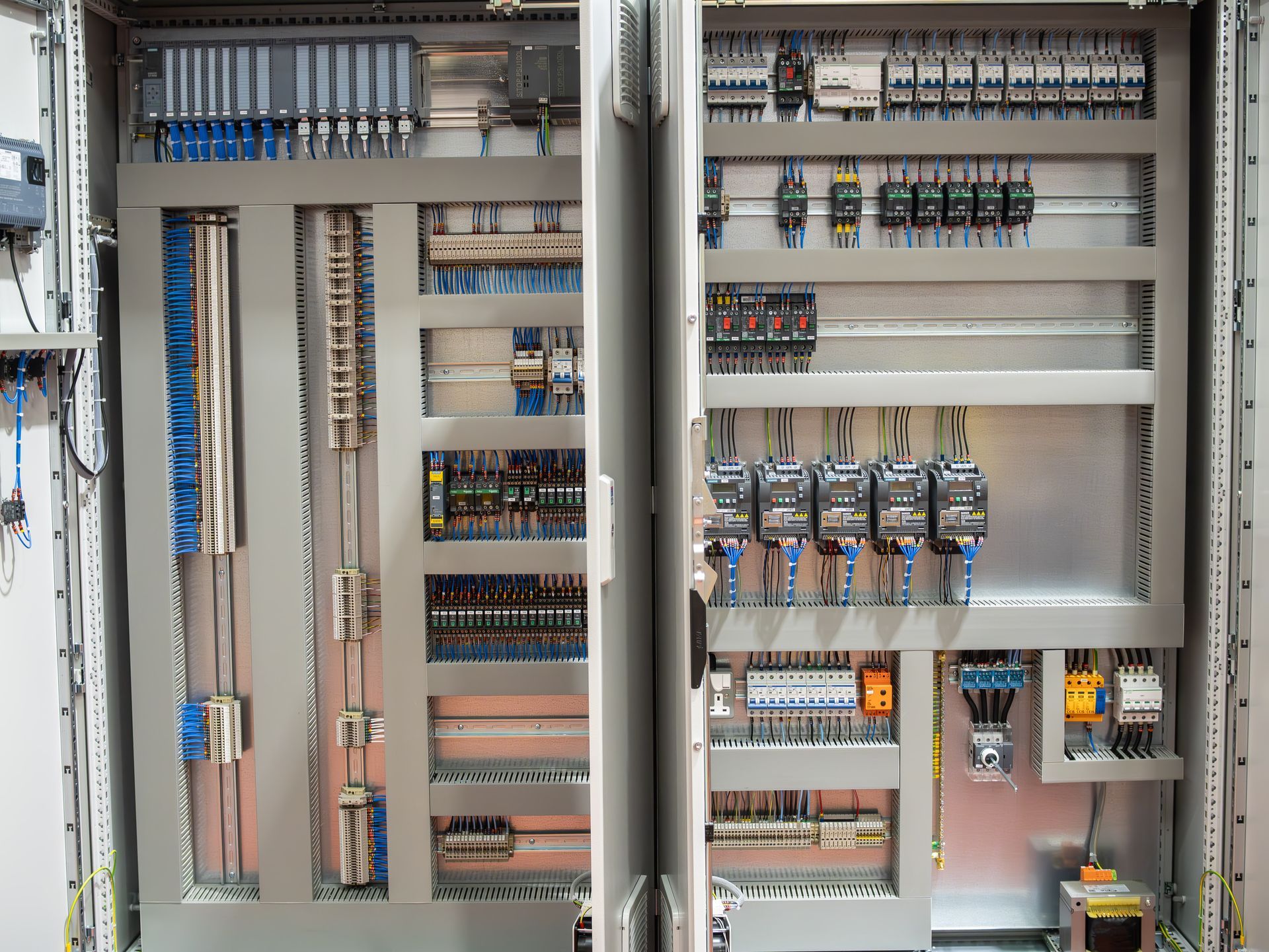
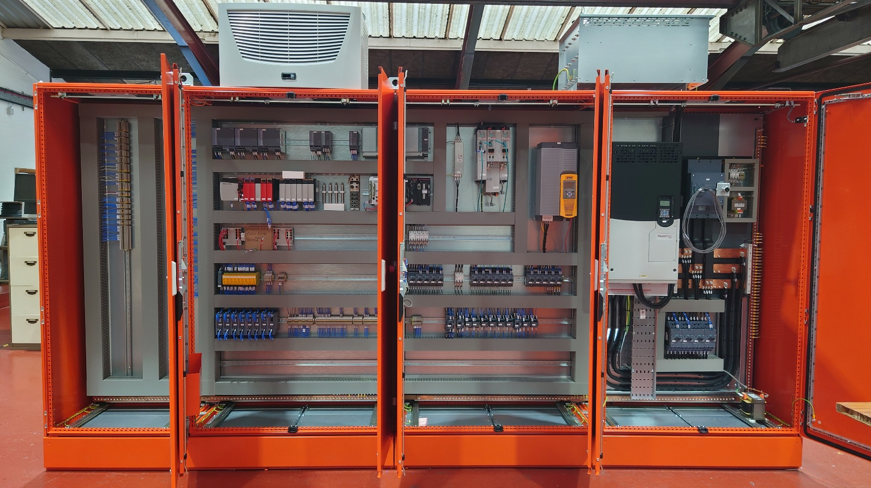
Good control panel manufacturers focus on layout from the start. Components are arranged so that wiring runs are logical, heat can dissipate properly, and there is enough space for future adjustments.
In practice, this makes a difference when faults occur. A clear layout allows engineers to trace connections and identify issues more quickly, which reduces downtime.
Is build quality important?
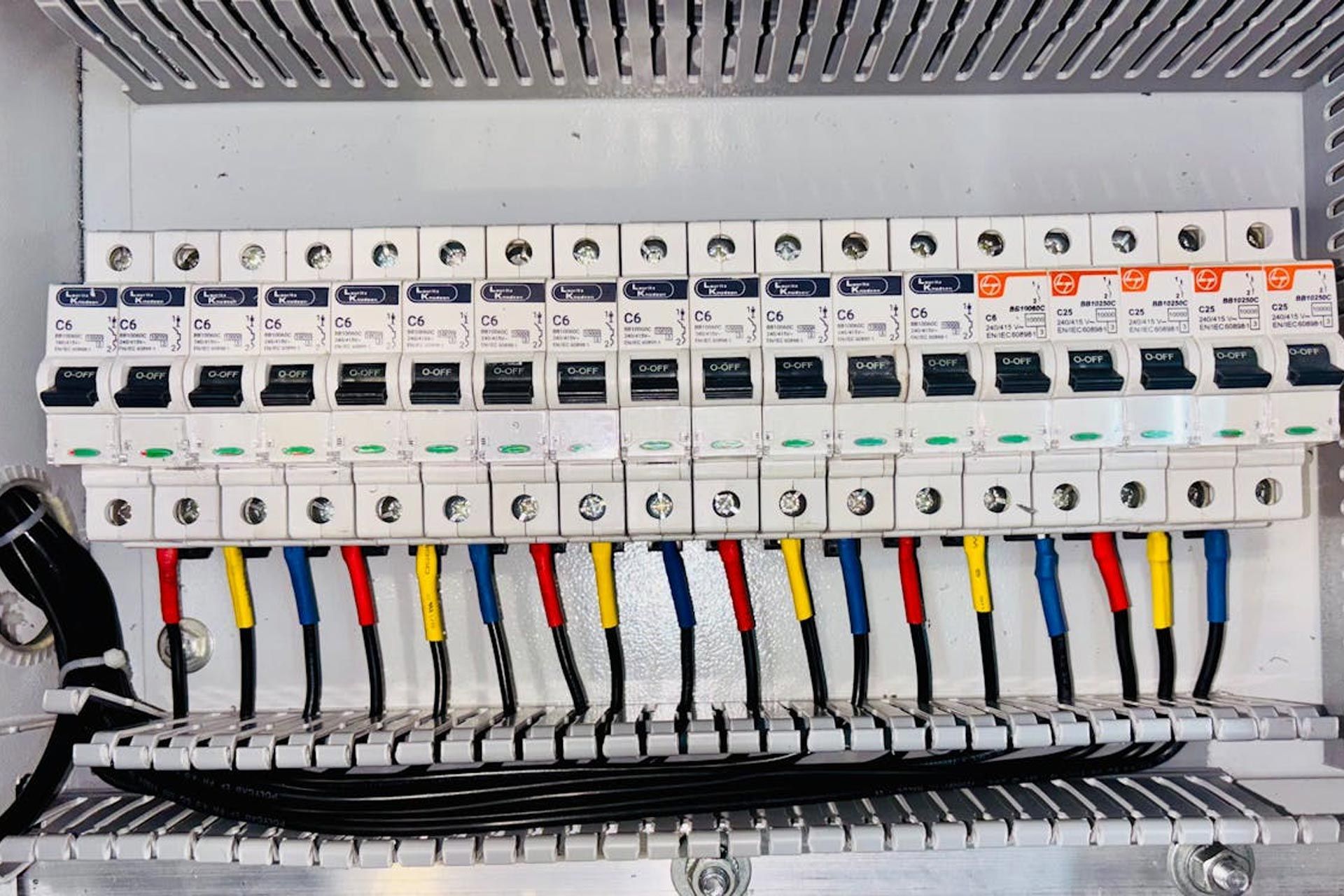
The way a panel is assembled plays a significant role in its reliability. A high-quality build involves secure mounting of components, consistent wiring standards, and careful labelling.
A skilled control panel builder will ensure that terminals are tightened correctly, cables are routed neatly, and protective measures such as trunking are used where needed. These details may seem minor, but they affect how the panel performs over time.
For example, poorly routed cables can lead to wear or interference, while unclear labelling can slow down maintenance work.
Does component selection and compatibility matter?
The components used within a panel must suit the environment and the demands of the system. This includes selecting the right type of relays, drives, and protective devices.
Control panel manufacturers often consider factors such as temperature, moisture, and exposure to dust when choosing components. In harsher environments, higher specification parts may be required to maintain reliability.
Compatibility between components is also important. When parts are selected to work together, the system tends to operate more smoothly and is easier to maintain.
Does better quality improve long-term maintenance?
A control panel is not a static piece of equipment. It will require inspection, adjustment, and occasional repair throughout its lifespan.
High quality panels are designed with this in mind. There is enough space to access components safely, and key areas are easy to reach without dismantling large sections of the panel.
A thoughtful control panel builder will also consider how the panel will be used during maintenance. Clear labelling, logical grouping of components, and accessible wiring all help reduce the time required for routine work.
How important is safety and compliance?
Safety is a fundamental part of any control panel. This includes protecting both the equipment and the people who operate it.
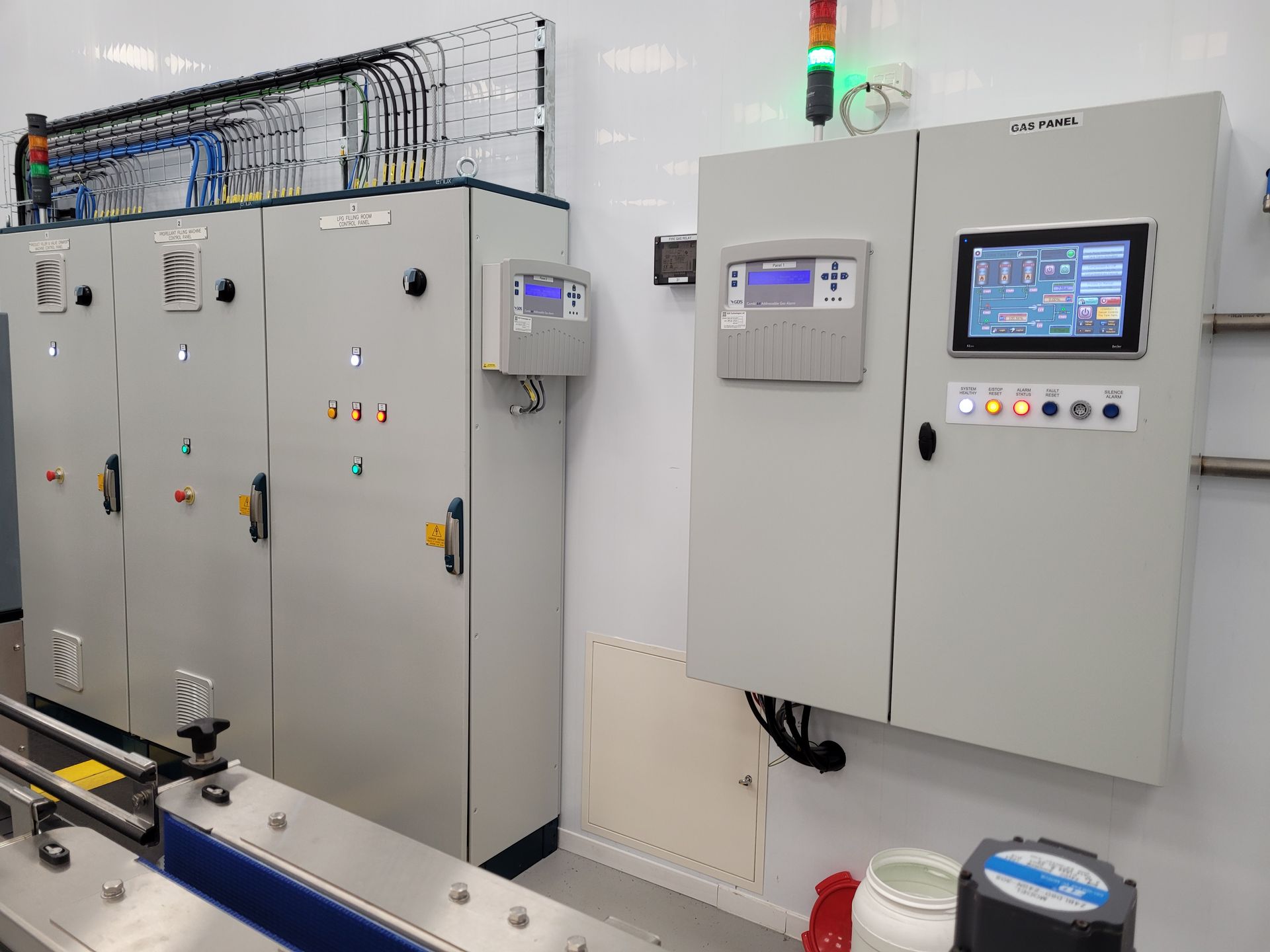
Panels are designed to meet relevant standards, with features such as proper earthing, circuit protection, and isolation points. These elements help reduce the risk of electrical faults and ensure the system can be shut down safely when needed.
In everyday use, this means operators can work with the system confidently, knowing that safeguards are in place.
Do high-quality control panels better account for future changes?
Industrial systems rarely remain unchanged. Production requirements shift, equipment is upgraded, and processes evolve over time.
A high-quality control panel takes this into account. Space is often left within the enclosure, and the design allows for additional components to be added later.
Control panel manufacturers who plan for future changes help reduce the need for complete redesigns. This can save time and cost when updates are required.
A high-quality electrical control panel is not defined by a single feature. It is the result of careful design, precise assembly, and an understanding of how the system will be used in practice.
The goal is to create a system that works reliably, is easy to maintain, and can adapt as needs change. When these elements come together, the panel supports the wider operation without becoming a source of ongoing issues.
What does a control panel builder do?
A control panel builder designs and assembles panels that control and monitor industrial equipment
Why is layout important in a control panel?
A clear layout makes it easier to maintain the system and identify faults quickly
How do control panel manufacturers choose components?
They consider factors such as environment, load requirements, and compatibility with other parts
What makes a control panel easier to maintain?
Good labelling, accessible components, and logical wiring all help simplify maintenance
Can control panels be modified in the future?
es, high quality panels are often designed with space and flexibility for future upgrades.