How Do SCADA Systems Improve Operational Efficiency?
As industrial facilities become more complex, operators are often expected to manage larger volumes of equipment, monitor more data, and respond quickly to changing conditions. Whether overseeing a manufacturing plant, water treatment facility or energy infrastructure, having visibility of what is happening across a site can make a significant difference to operational performance.
This is where SCADA systems play an important role. Short for Supervisory Control and Data Acquisition, SCADA systems help operators monitor, control and analyse industrial processes from a central location. While the technology has been used for decades, modern SCADA platforms continue to evolve, offering increasingly valuable insights into day-to-day operations.
What does a SCADA system actually do?
At its core, a SCADA system collects information from equipment and processes throughout a facility and presents it in a format that operators can easily understand.
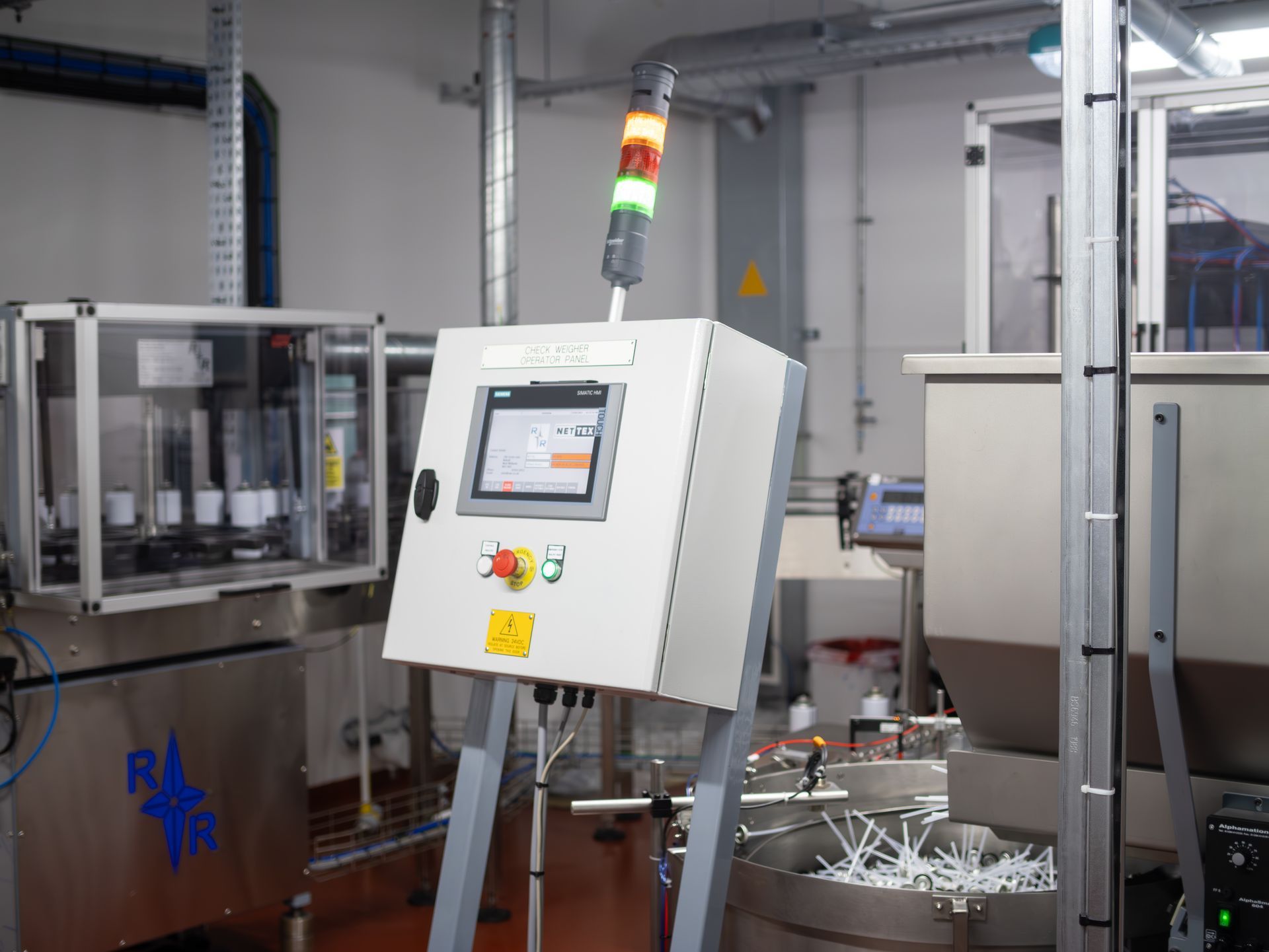
Sensors, programmable logic controllers (PLCs) and other field devices continuously gather data such as temperatures, pressures, flow rates, motor status and energy consumption. The SCADA system then displays this information through graphical interfaces that allow operators to monitor performance in real time.
Instead of manually checking multiple pieces of equipment across a site, operators can often access critical information from a central control room or workstation.
How does real-time monitoring improve efficiency?
One of the biggest advantages of SCADA systems is the ability to identify issues as they develop. Without continuous monitoring, problems may go unnoticed until production is affected or equipment fails. A SCADA system can alert operators when readings move outside acceptable limits, allowing intervention before a small issue becomes a larger one.
For example, an unexpected rise in motor temperature or a drop in system pressure can be identified immediately. This allows maintenance teams to investigate potential causes before operational disruption occurs. Faster visibility often means faster decision-making.
How can SCADA systems reduce downtime?
Unplanned downtime is a challenge for many industrial operations. SCADA systems help reduce downtime by providing greater visibility into equipment performance and operating conditions. Historical data can reveal patterns that indicate developing faults, allowing maintenance work to be planned before failures occur.
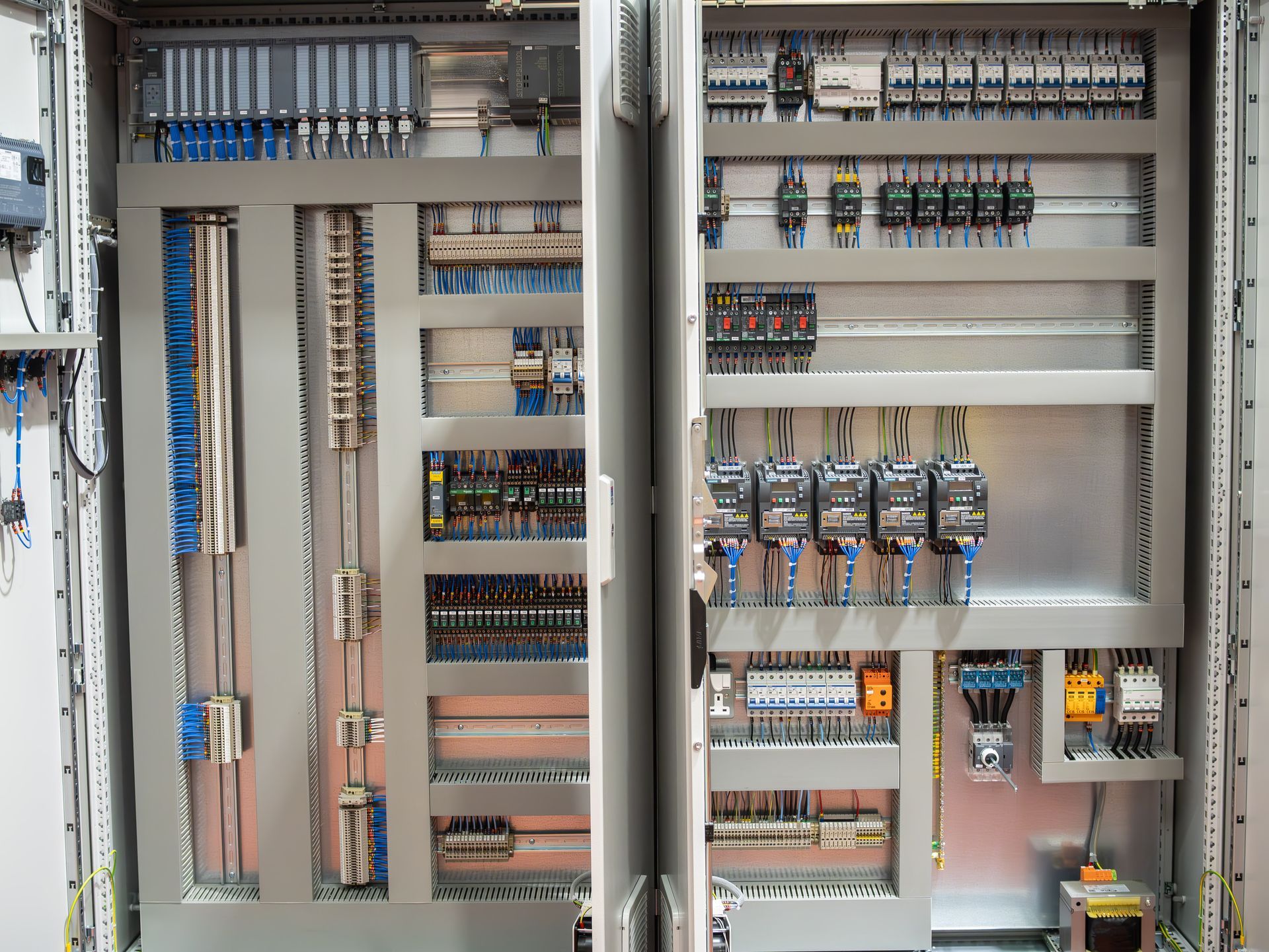
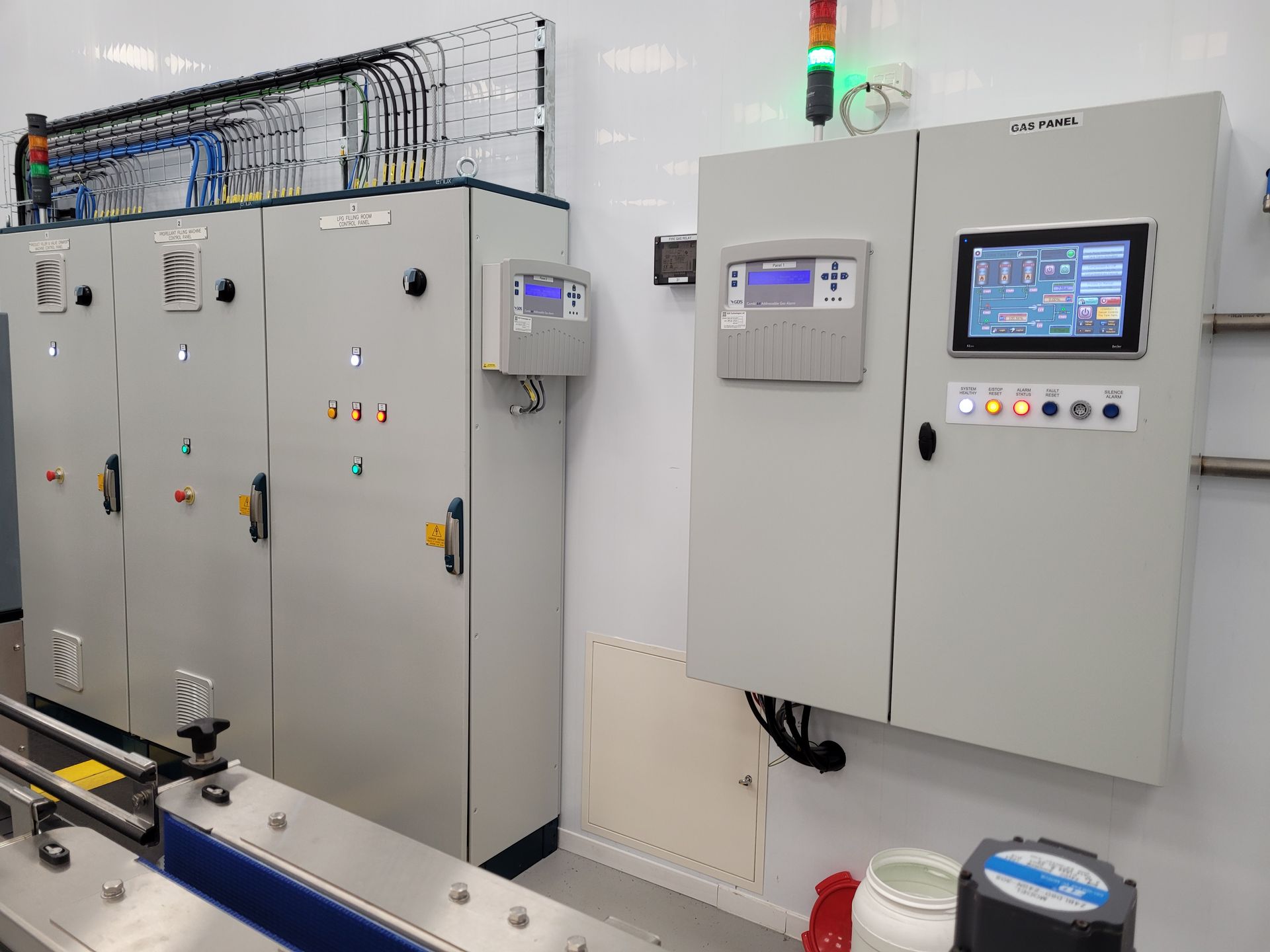
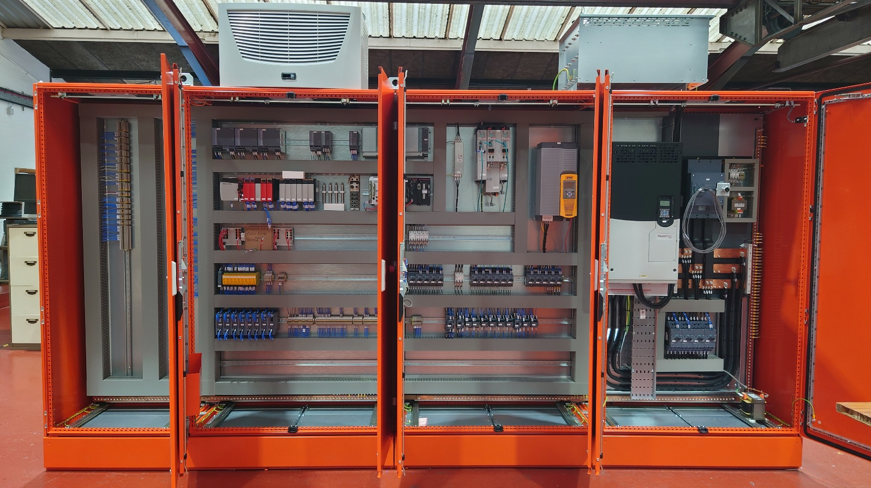
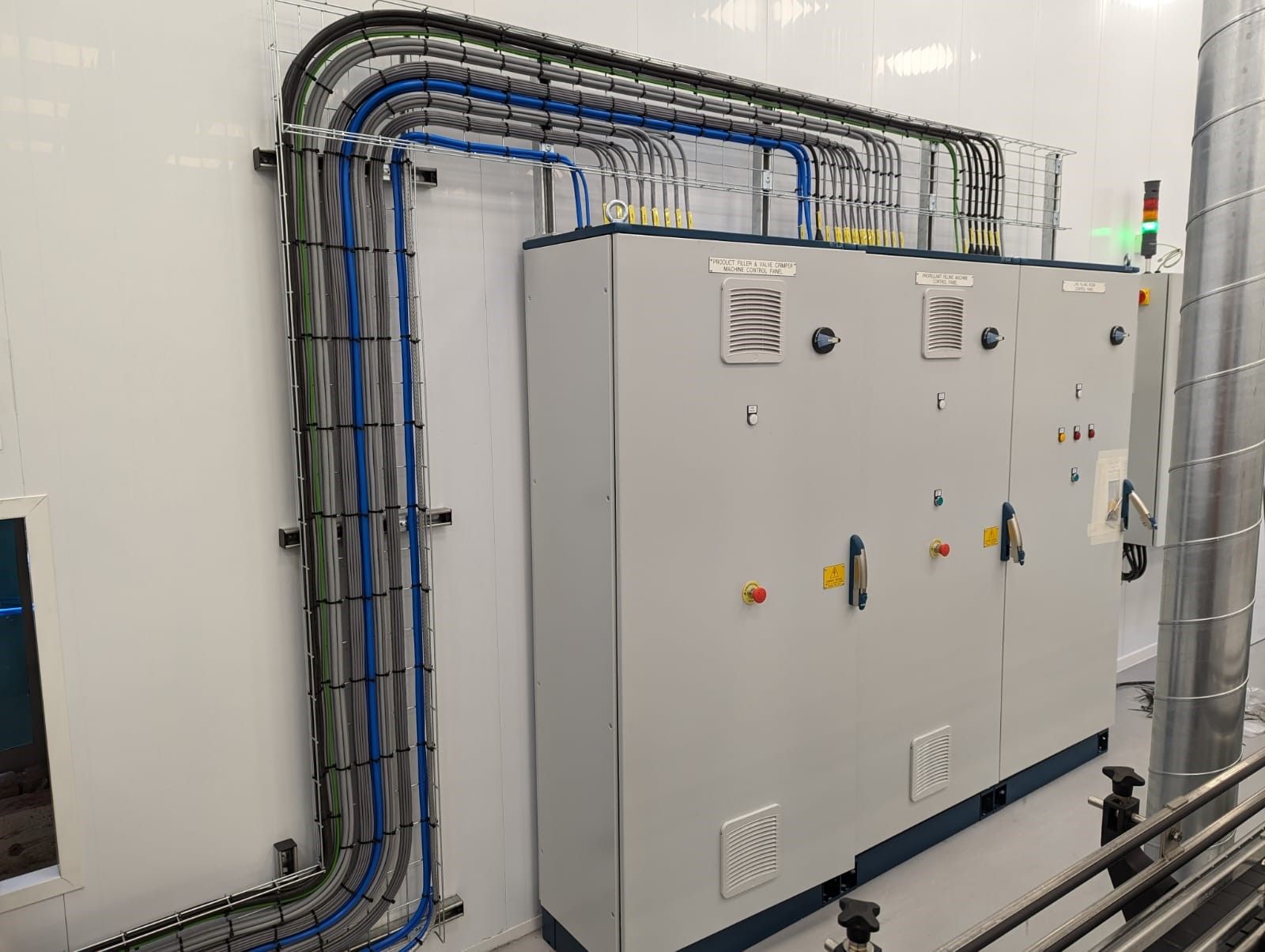
Operators can also use alarm systems to prioritise responses and direct resources where they are needed most. Many organisations work closely with a control panel builder when implementing automation and SCADA solutions, ensuring that monitoring systems are properly integrated with operational equipment from the outset.
Why is data collection valuable?
Industrial facilities generate large amounts of information every day. A SCADA system stores much of this data automatically, creating a valuable record of operational performance. Over time, this information can be analysed to identify inefficiencies, bottlenecks or opportunities for improvement.
For example, managers may discover that certain equipment consumes more energy during particular shifts or that production rates vary depending on operating conditions.
Rather than relying on assumptions, decisions can be supported by actual operational data.
How do SCADA systems support remote operations?
Modern SCADA platforms often allow authorised users to access system information remotely.
This can be particularly useful for organisations operating multiple sites or facilities spread across different locations. Engineers and managers can review performance data, investigate alarms and monitor key processes without always needing to be physically present.
However, as connectivity increases, securing SCADA systems becomes increasingly important. Protecting operational technology from unauthorised access is now a key consideration for many businesses implementing remote monitoring capabilities.
Why is cybersecurity becoming more important for SCADA systems?
As industrial systems become more connected, the risks associated with cyber threats continue to evolve. Securing SCADA systems involves more than installing software. It typically includes user access controls, network segmentation, software updates and ongoing monitoring of system activity.
A control panel builder involved in modern automation projects will often consider cybersecurity requirements alongside operational performance, helping create systems that are both efficient and resilient.
Businesses investing in securing SCADA systems are often looking to protect operational continuity as much as data security.
What are the long-term operational benefits?
The value of a SCADA system is often seen in small improvements that accumulate over time. Better visibility, faster fault identification, improved maintenance planning and more informed decision-making can all contribute to greater operational efficiency. While results vary between facilities, organisations frequently find that having accurate, real-time information allows them to operate with greater confidence and control.
What does SCADA stand for?
SCADA stands for Supervisory Control and Data Acquisition, a system used to monitor and control industrial processes
How do SCADA systems improve operational efficiency?
They provide real-time monitoring, alarm management, historical data collection and greater visibility of equipment performance
Can SCADA systems help reduce downtime?
Yes. By identifying potential issues early and supporting proactive maintenance, SCADA systems can help reduce unplanned downtime
Why is securing SCADA systems important?
As industrial systems become more connected, cybersecurity measures help protect operations from unauthorised access and potential disruption
Can SCADA systems be accessed remotely?
Many modern SCADA platforms support secure remote access, allowing authorised personnel to monitor and manage systems from different locations