Earthing and Bonding in Electrical Control Systems
Earthing and bonding are often discussed together in electrical engineering because both play an important role in keeping systems safe and reliable. Within industrial control systems, these practices help protect equipment, reduce electrical faults, and improve operational stability.
While they are sometimes treated as background elements within a project, experienced engineers and control panel manufacturers know that poor earthing or bonding arrangements can create ongoing problems long after installation.
What is the difference between earthing and bonding?
Although the terms are often grouped together, they perform slightly different functions.
Earthing provides a controlled path for electrical fault currents to travel safely to ground. This helps reduce the risk of electric shock and supports protective devices such as circuit breakers operating correctly during faults.
Bonding, on the other hand, connects conductive metal parts together so they remain at the same electrical potential. In practical terms, this reduces the chance of dangerous voltage differences developing between metal surfaces.
For a control panel builder, both systems are considered during design because they affect safety, reliability, and long-term system performance.
Why are earthing and bonding so important in control systems?
Industrial control systems often contain sensitive electronic components, variable speed drives, communication networks, and automation equipment. These systems rely on stable electrical conditions to operate correctly.
If earthing is poor, electrical noise or fault currents may interfere with signals and equipment performance. This can lead to intermittent faults that are difficult to diagnose.
In practice, issues linked to grounding are sometimes first noticed as unexplained system behaviour rather than complete failures. Sensors may provide inconsistent readings, communication networks may become unreliable, or equipment may trip unexpectedly.
Control panel manufacturers therefore place significant attention on grounding arrangements during both design and assembly.
How does earthing improve safety?
Safety is one of the primary reasons earthing systems are installed. If a fault occurs inside a control panel, exposed metalwork could potentially become live without a suitable earth connection. Earthing provides a low resistance path that helps fault current travel safely away from the equipment.
This allows protective devices to disconnect power quickly, reducing the likelihood of electric shock or fire risk. Properly installed earthing systems help ensure that faults are dealt with rapidly rather than remaining hidden within the system.
Why does bonding matter inside control panels?
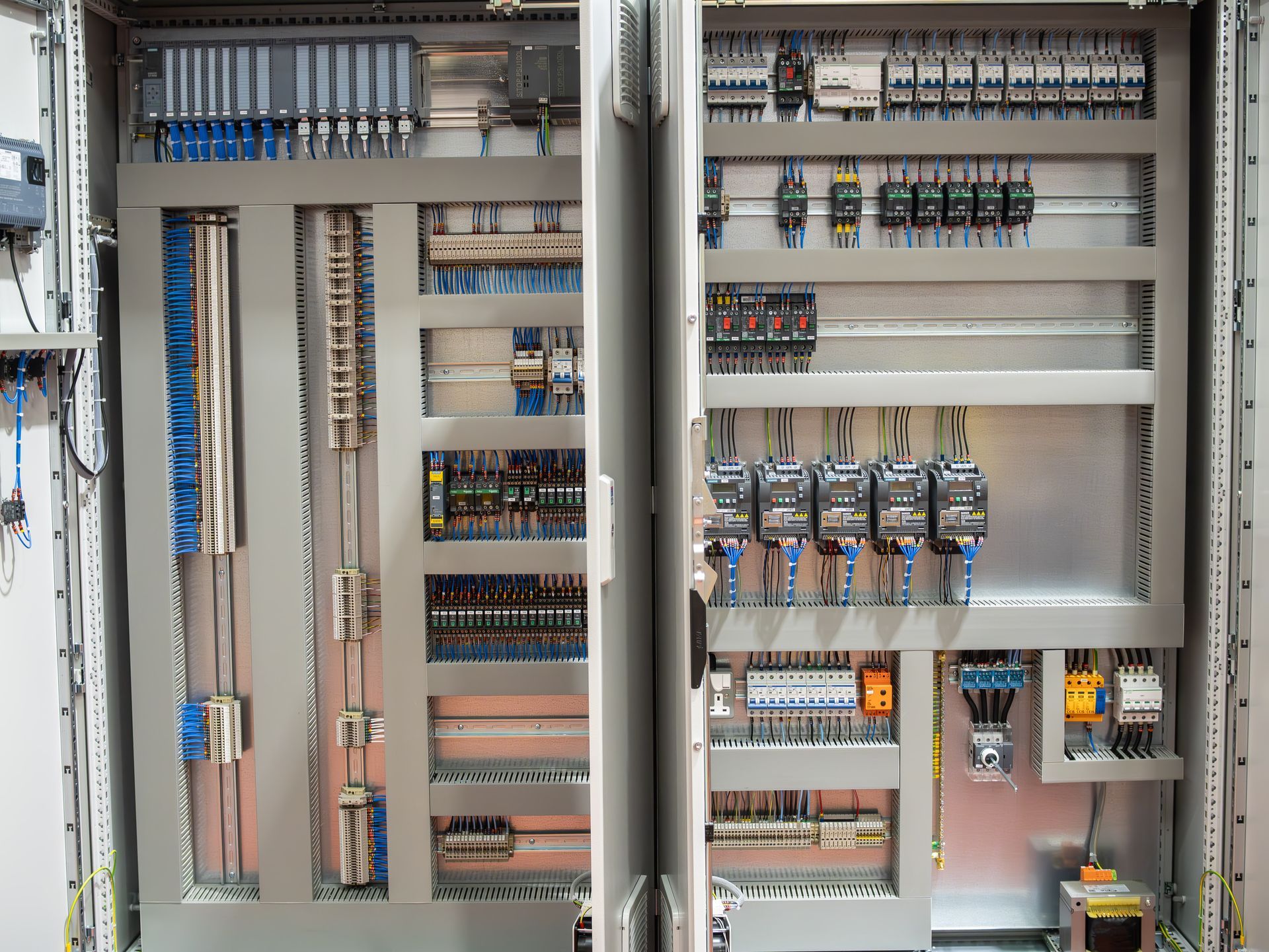
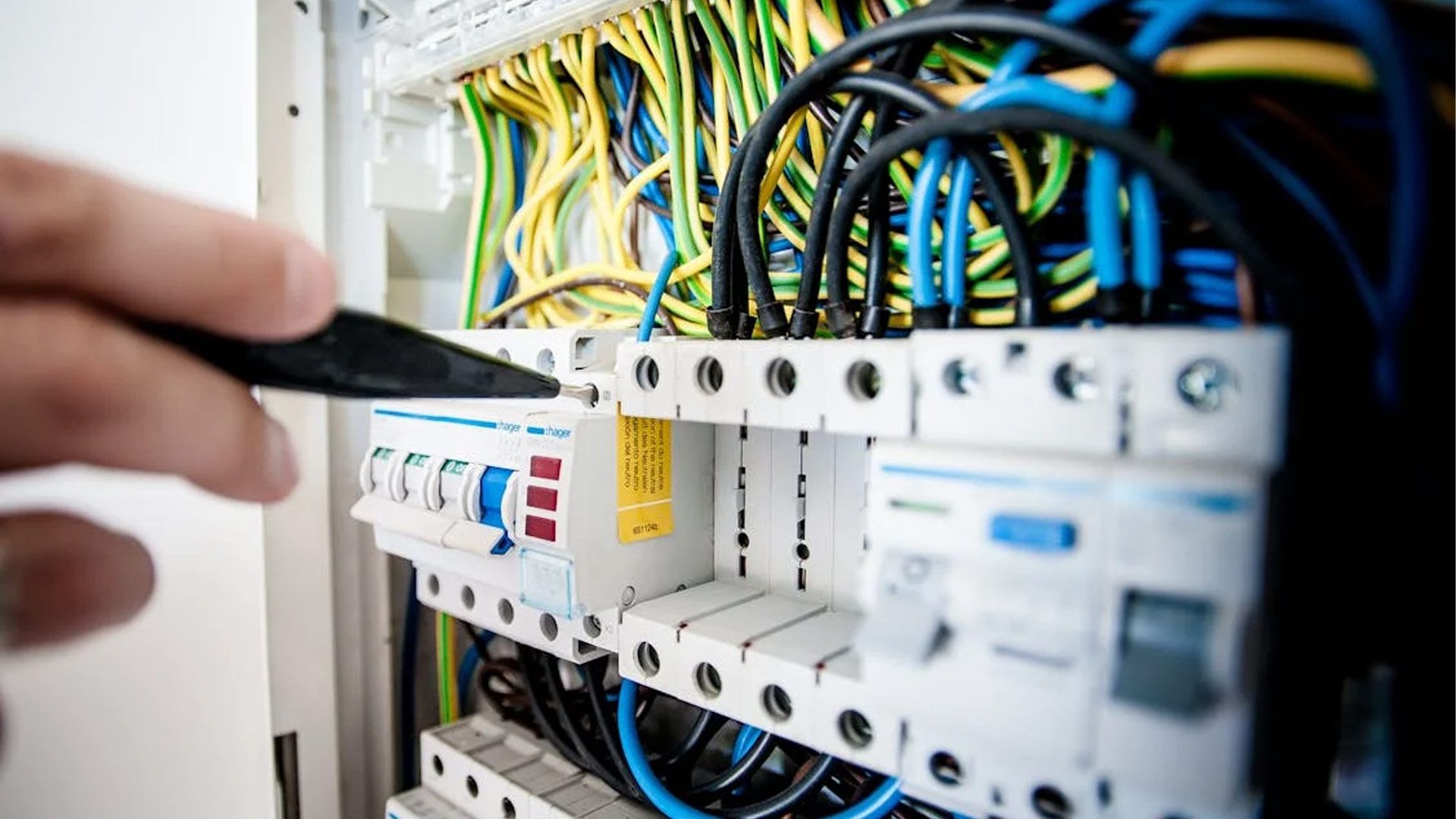
Bonding is particularly important inside electrical enclosures because control panels often contain multiple metal components mounted close together.
Doors, backplates, cable glands, and framework sections are commonly bonded together to maintain electrical continuity. This helps ensure all exposed metal parts remain at the same voltage potential during normal operation and fault conditions.
A control panel builder will typically include bonding conductors between moving or removable parts such as enclosure doors. Without these connections, sections of the panel may not remain electrically connected consistently over time.
How can poor grounding affect automation systems?
Modern automation systems are increasingly reliant on communication between devices. Programmable controllers, sensors, drives, and remote monitoring equipment all exchange signals continuously.
Electrical interference caused by poor earthing can disrupt these signals. In practical terms, this may result in unstable data, communication faults, or equipment behaving unpredictably.
This becomes especially important in larger industrial sites where multiple systems operate simultaneously. Control panel manufacturers often separate power and signal wiring carefully and design grounding arrangements specifically to minimise interference.
What should be considered during installation?
Even a well-designed panel can experience grounding problems if installation work is inconsistent on site.
Cable routing, connection quality, and the condition of the wider site earthing system all influence final performance. Loose connections, paint preventing metal contact, or incorrectly terminated earth conductors can all create issues later.
Careful testing during commissioning helps identify these problems before the system enters full operation.
Why do earthing and bonding influence long term reliability?
Electrical control systems are expected to operate consistently for many years, often in demanding industrial environments.
Good earthing and bonding help reduce electrical stress on equipment, support stable communication, and improve fault protection. Over time, this can contribute to fewer unexpected shutdowns and easier fault finding when problems do occur.
For many control panel manufacturers and engineers, these systems are viewed as part of the overall foundation that allows automation equipment to operate safely and reliably day after day.
What is the purpose of earthing in a control system?
Earthing provides a safe path for electrical fault currents and helps protective devices operate correctly.
Why is bonding important inside control panels?
Bonding keeps metal parts at the same electrical potential, helping improve safety and reliability.
Can poor grounding affect automation equipment?
Yes, poor grounding may cause electrical interference, communication faults, or unstable system behaviour.
Do control panel manufacturers design earthing systems differently for each project?
Grounding arrangements are often adapted depending on the equipment and operating environment involved.
What problems can occur if bonding connections are poor?
Loose or inconsistent bonding may increase safety risks and contribute to unreliable equipment performance.