The Role of Software in Modern Control Panel Engineering
A modern control panel may still contain familiar components such as circuit breakers, relays, contactors, drives, and programmable controllers, but much of the engineering work now begins on a computer long before anything reaches the workshop.
Software has become part of almost every stage of a control panel project. It helps engineers create electrical drawings, plan layouts, programme automated processes, test how equipment should respond, and provide operators with useful information once the system is running.
For businesses investing in automation, understanding this software element can make it easier to see what sits behind a well-engineered control system.
How Does Software Help with Control Panel Design?
Modern control panel design usually begins with electrical design software. Engineers create detailed schematics showing components, connections, terminals, cable numbers and how electrical signals move through the system.
Working digitally makes changes easier to manage. If a motor, sensor, or drive specification changes during a project, the drawings can be updated without recreating entire sheets manually.
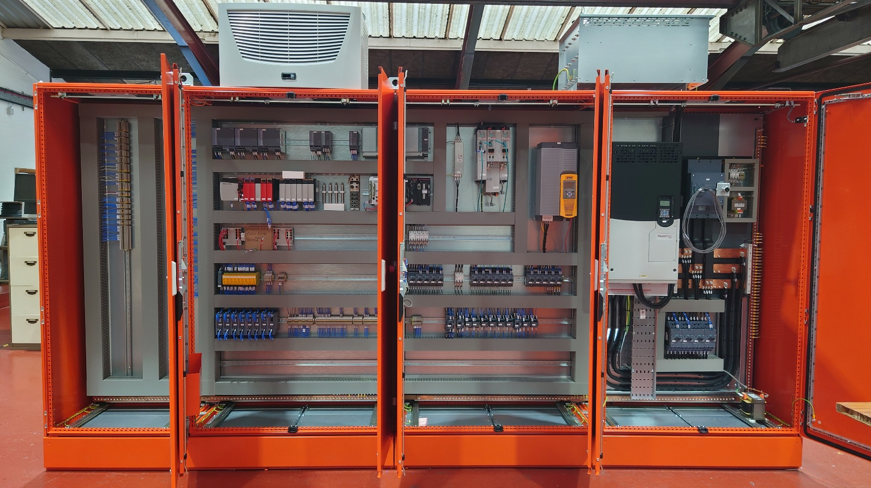
Software also helps engineers consider the physical arrangement inside the enclosure. Components need sufficient space, wiring needs sensible routes and equipment that produces heat needs to be positioned appropriately.
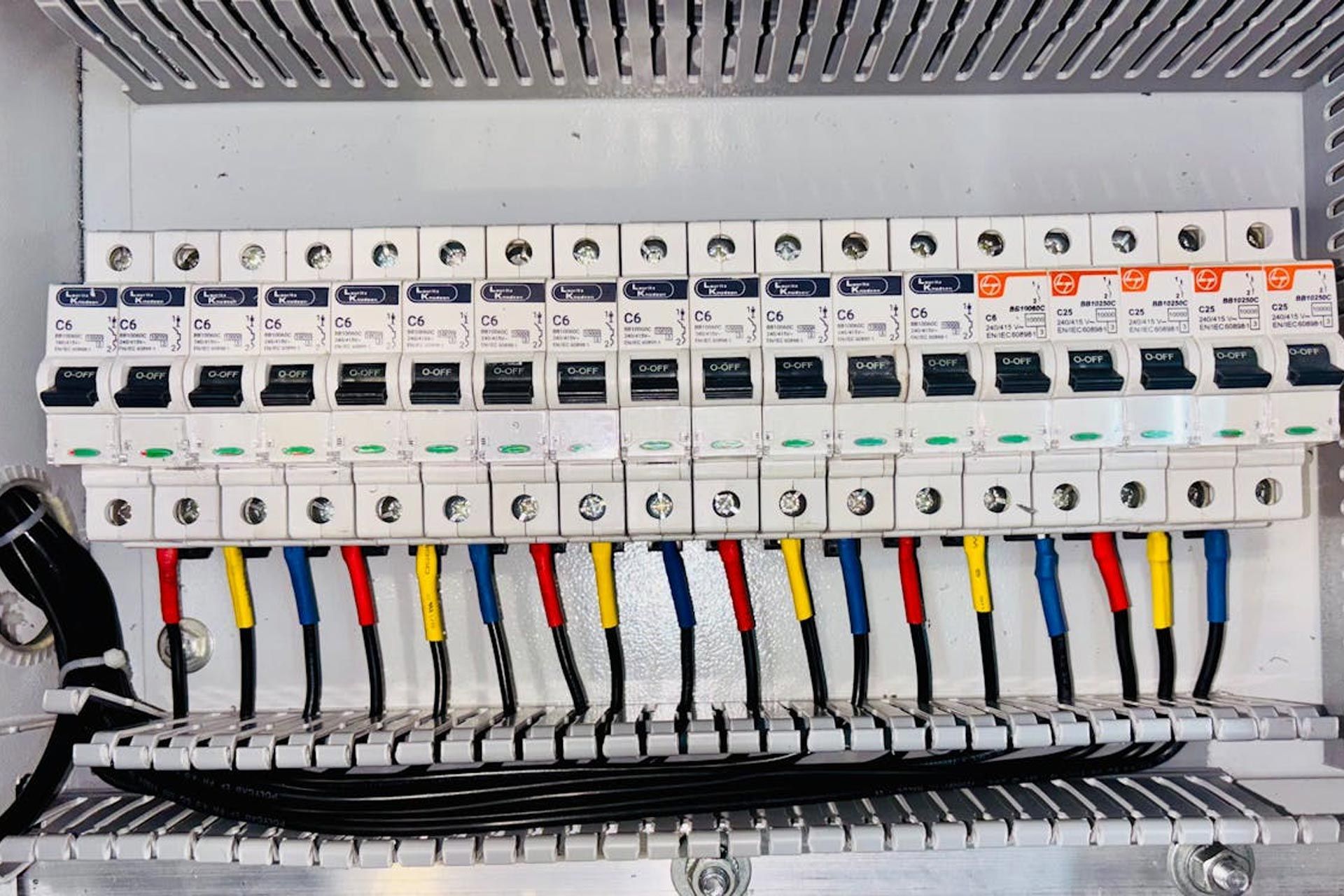
For our control panel builders, accurate digital drawings provide the instructions that turn the engineering concept into a physical panel. We use an in-house CAD design system to produce detailed project drawings before manufacture begins.
What Role Does PLC Software Play?
The programmable logic controller, usually shortened to PLC, can be thought of as the decision-making part of many automated systems.
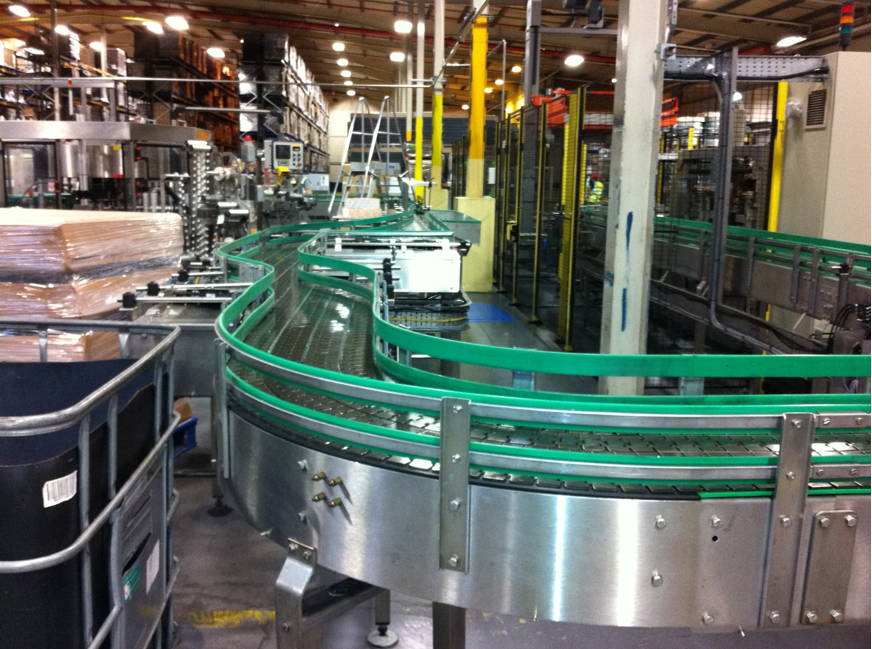
The engineer writes software that tells the PLC system how equipment should behave. A simple instruction might tell a conveyor to start when a sensor detects a product. More complex systems could coordinate motors, pumps, valves and safety equipment across an entire production process.
Good PLC programming also considers what happens when something goes wrong. If a sensor stops responding or a motor overloads, the software can stop part of the process, trigger an alarm or prevent equipment from restarting until the problem has been investigated.
This means software development needs to reflect how the machinery actually operates on site rather than simply making individual components work.
How Do HMI and SCADA Systems Help Operators?
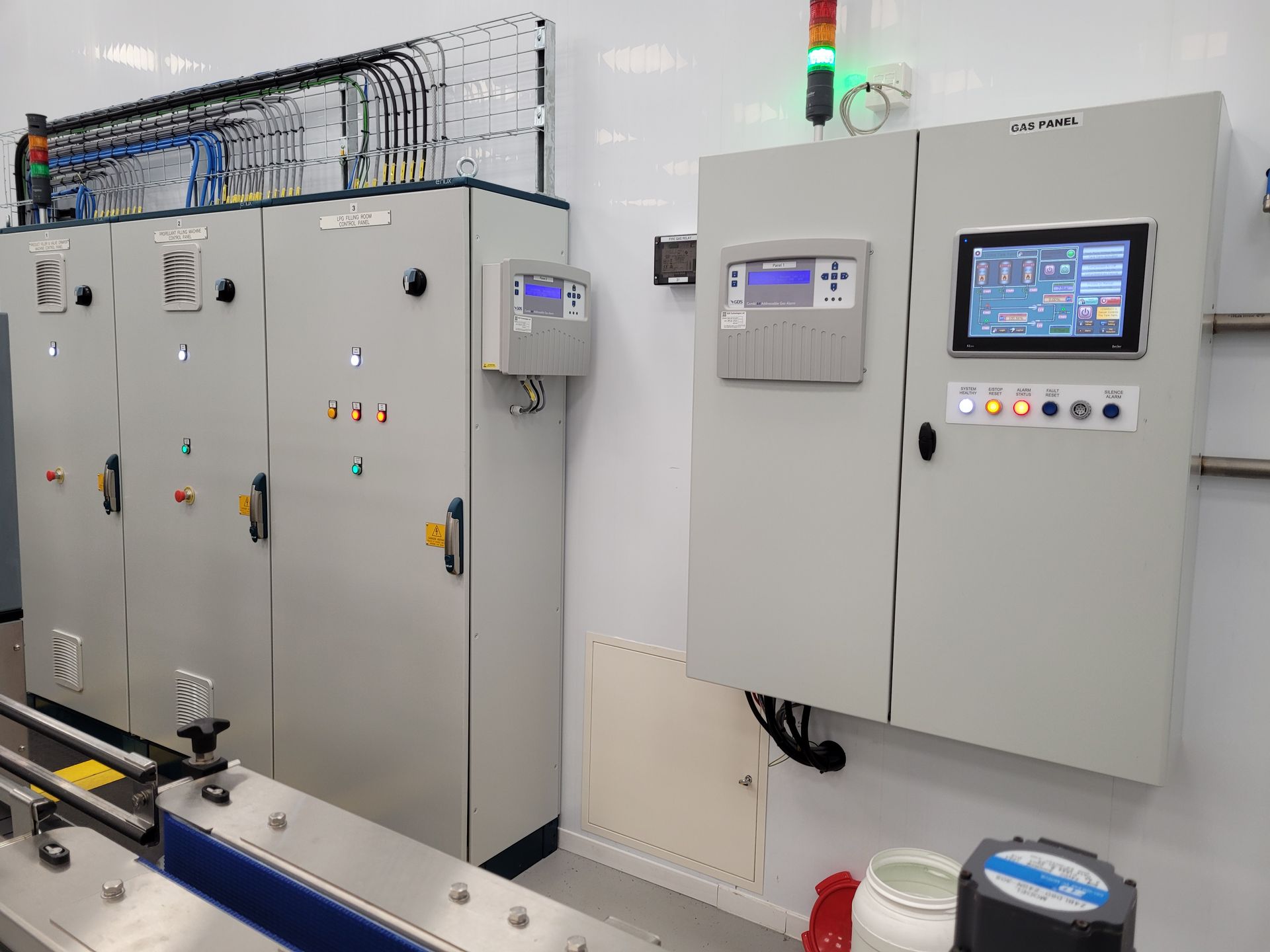
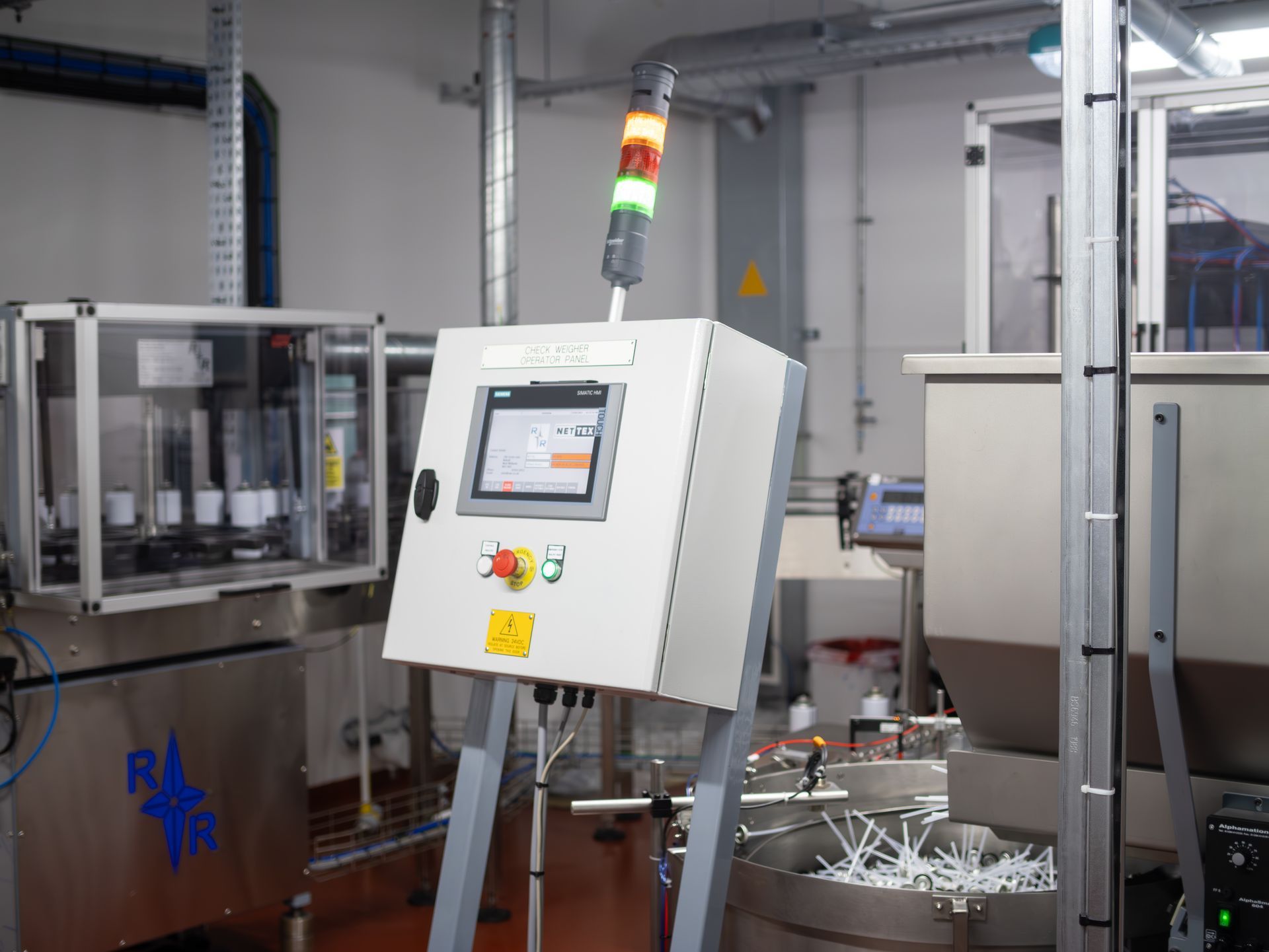
HMIs, or Human Machine Interfaces, are the screens operators use to interact with automated equipment.
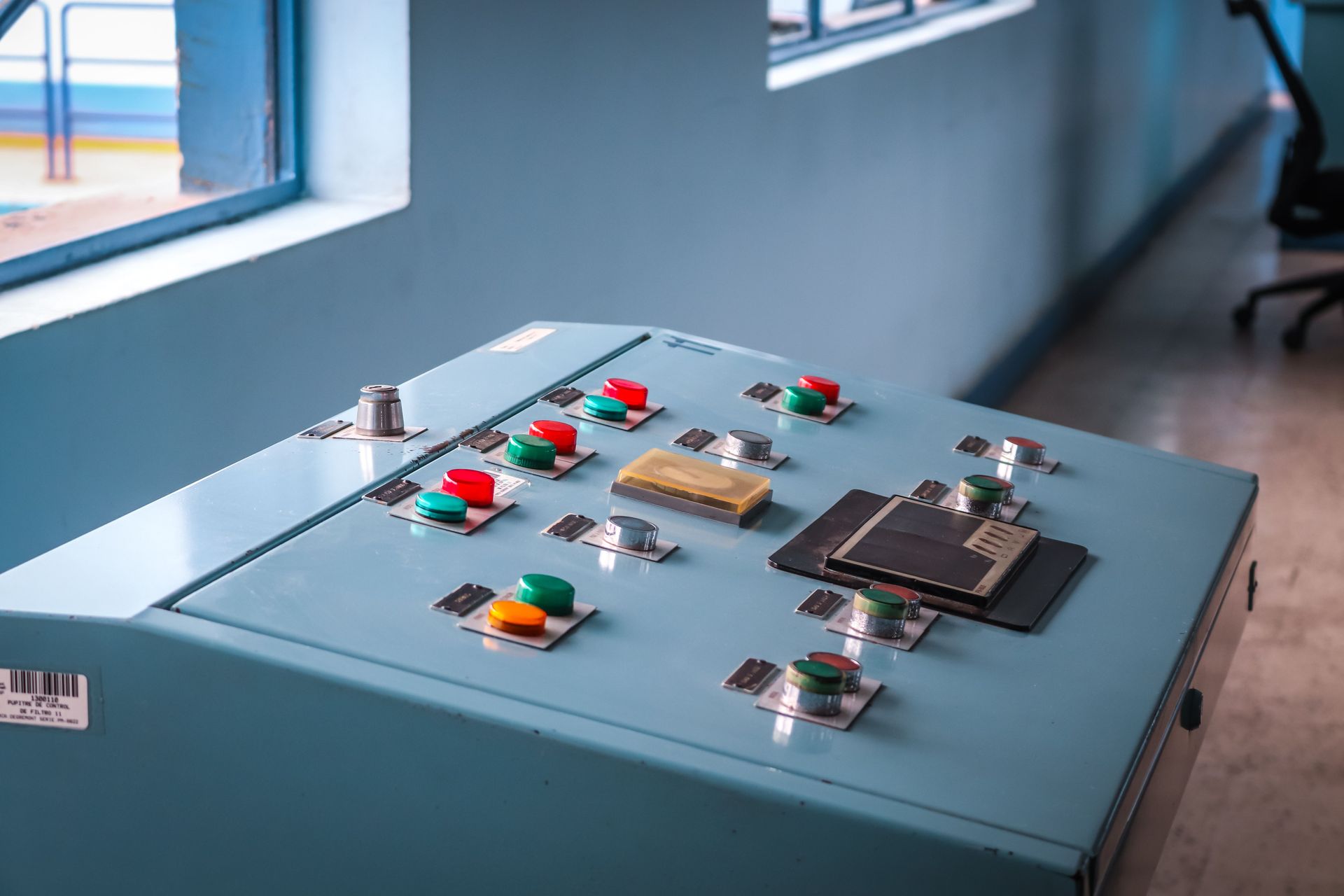
Instead of relying on rows of physical switches and indicator lights, operators can see information such as machine status, temperatures, tank levels, motor conditions, and alarms on a graphical screen.
SCADA software can take this further by monitoring larger processes and recording information over time. Our systems can incorporate alarm configuration, reporting, trend information, and historical process data.
In practice, this can make fault finding quicker. If a machine stopped at 2.15am, an engineer may be able to examine recorded alarms and operating data to understand what happened immediately beforehand.
How Can Software Improve Testing Before Installation?
Testing is one of the areas where software and physical engineering meet. Once our control panel builders have completed the panel, engineers can test electrical connections and then run the PLC and HMI software against the agreed operating requirements.
A Factory Acceptance Test can allow the customer to see how the system responds before it reaches site. We include testing against the agreed specification or Functional Design Specification as part of our control system projects.
Finding a sequencing error or an unclear operator message in the workshop is generally easier to deal with than discovering it after equipment has been installed into a working production line.
Why Does Good Software Documentation Matter?
The software supplied with a control system may need attention years after the original project has been completed.
A factory might replace a motor, add another production stage or change the sequence in which equipment operates. Engineers then need to understand both the electrical installation and the existing software.
Good control panel design therefore includes clear documentation, sensible naming conventions, and structured software. When somebody opens the PLC programme several years later, they should be able to understand what each section controls without having to reconstruct the logic from scratch.
Up-to-date copies of drawings and software should also be stored securely. Losing the latest PLC programme can turn a relatively straightforward hardware failure into a much longer recovery job.
How Is Software Changing the Control Panel Engineer's Role?
Control panel engineering increasingly combines several disciplines. Engineers may need to understand electrical circuits, automation programming, communications networks, operator interfaces and how data moves between different pieces of equipment. The physical panel remains important, but it is increasingly one part of a wider automated system.
For customers, this makes early planning particularly valuable. Defining what operators need to see, which information should be recorded, and how equipment should respond to unusual conditions gives engineers something concrete to build into both the hardware and software.
The result is a control system designed around how the plant will actually be operated and maintained.
What Software Is Used for Control Panel Engineering?
Different software is used for different stages, including CAD packages for electrical drawings, PLC programming software and HMI or SCADA platforms for monitoring and operating equipment.
What Does PLC Programming Control?
PLC software can control sequences involving motors, pumps, valves, conveyors, sensors and other equipment. It can also manage alarms and responses to faults.
Can Control Panel Software Be Changed Later?
Yes. Systems can often be modified when machinery or production requirements change, although accurate drawings and copies of the existing programme make this considerably easier.
Why Are Electrical Drawings Still Important When a System Uses Software?
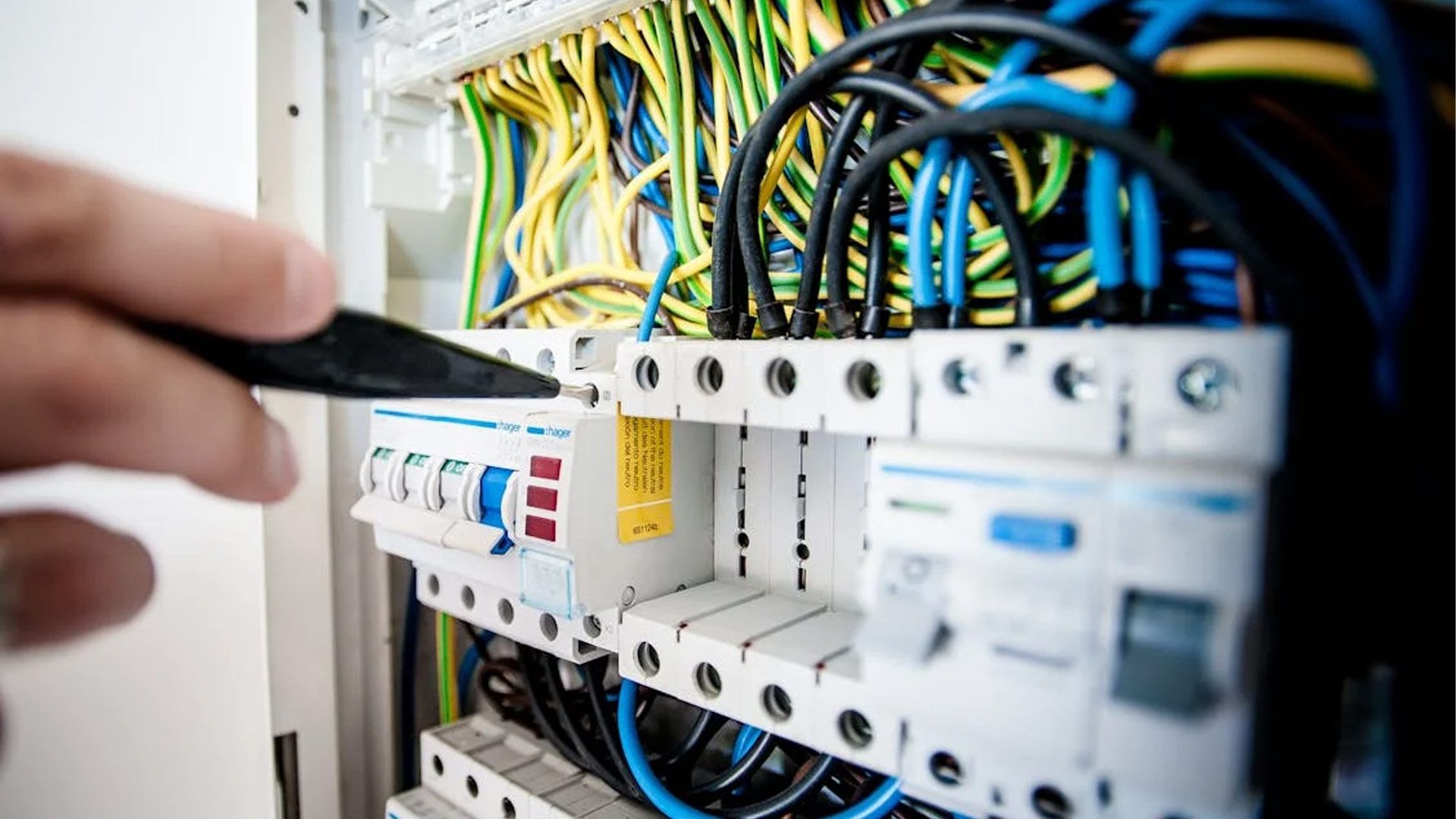
The software cannot show every physical connection within the panel. Electrical drawings provide engineers with the information needed to build, maintain and fault-find the hardware.
What Is the Difference Between a PLC and an HMI?
The PLC runs the control logic behind the machinery. The HMI provides a screen through which operators can view information, respond to alarms and control permitted parts of the process.