Common Control Panel Installation Mistakes and How to Avoid Them
A control panel can be correctly designed, carefully assembled and thoroughly tested in the workshop, yet problems can still appear once it reaches site.
Installation is the point where the panel becomes part of a much larger system. Power supplies, field devices, motors, sensors, networks and safety equipment all have to connect correctly, often while other contractors are working in the same area.
Many installation problems are quite ordinary. A cable enters from the wrong direction, ventilation space disappears, drawings no longer match the machinery or somebody discovers that a door cannot fully open. Good planning can prevent many of these issues before commissioning begins.
Why Is a Poor Site Survey Such a Common Problem?
Assuming that the site for installation will match the drawings exactly is a common and easy mistake to make, but it isn’t always that straight forward. There may be pipework that hasn’t been considered, other electrical enclosures occupying part of the space, or access routes that may be compromised.
Before mounting the panel, check its physical dimensions against the available area. Doors need enough room to open, engineers need safe access for maintenance and cable routes must reach the enclosure without awkward bends.
Environment matters too. Heat, moisture, dust and other site conditions can affect the enclosure and components selected.
Working with our electrical control panel manufacturers early can help to identify these requirements while there is still time to adjust the panel design rather than improvising during installation.
What Happens When Cable Routing Is Poorly Planned?
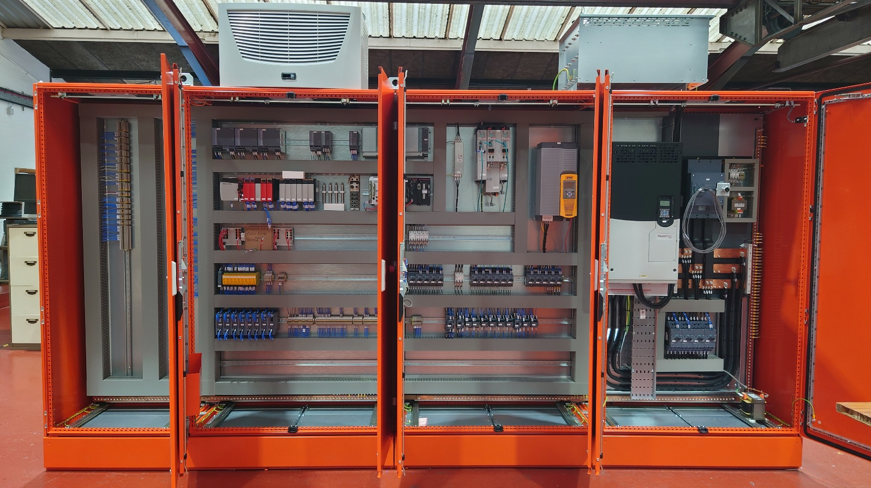
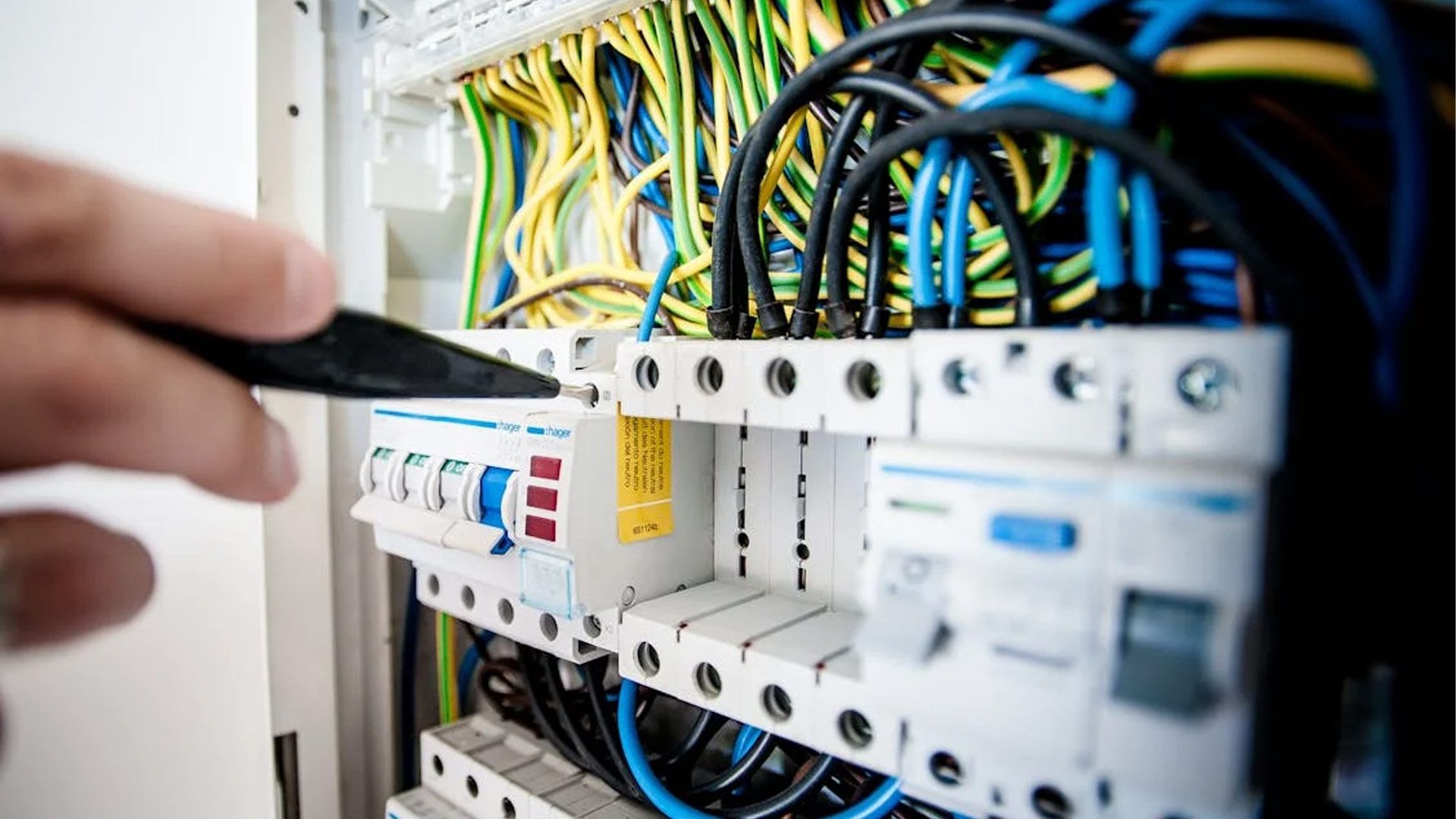
Cable management affects reliability as well as appearance. Power, control and communication cables may need different routes or suitable separation to reduce the possibility of electrical interference. Cables also need appropriate containment, protection and identification.
Electrical installation work should include the routing, containment and identification of cables between control panels and automated machinery. Clear labels should therefore correspond with the electrical drawings and terminal information supplied with the panel.
Why Should Ventilation and Heat Be Considered?
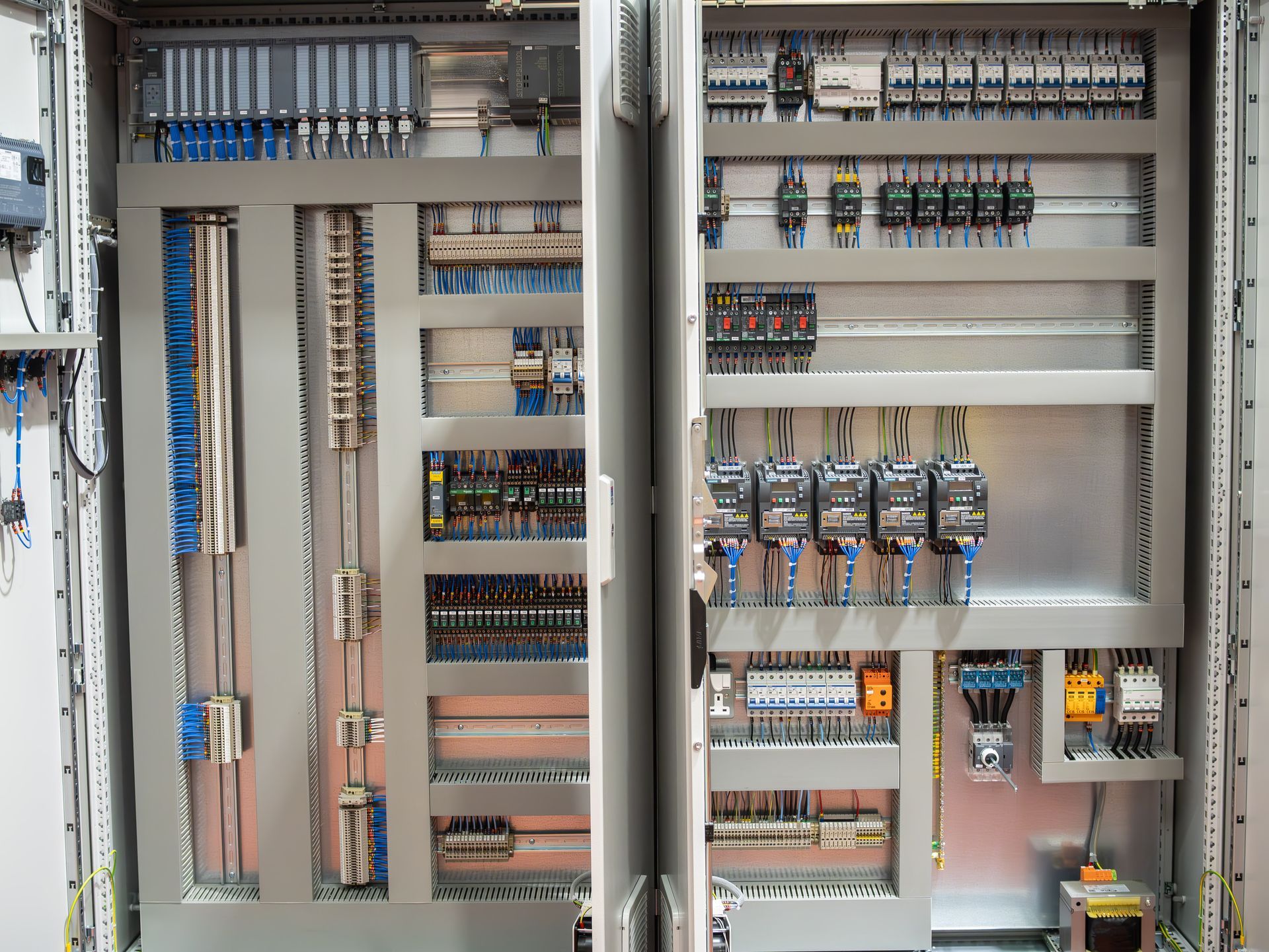
Control panels generate heat. Variable-speed drives, power supplies, transformers and other electrical components can raise the temperature inside the enclosure. If ventilation openings are obstructed or a panel is installed in an unexpectedly warm area, equipment may operate outside its intended conditions.
The BS EN IEC 61439 series includes requirements relating to construction, technical characteristics and verification of low-voltage assemblies, including temperature-rise considerations.
Our electrical control panel builders therefore consider heat during the design stage, but the conditions assumed by that design also need to be preserved during installation.
Avoid placing equipment immediately against ventilation openings or reducing specified clearance around the enclosure.
Why Are Isolation and Earthing So Important?
Electrical work needs clearly understood isolation arrangements. HSE guidance states that electrical equipment and machinery should be properly prepared before work begins, including secure isolation and release of relevant energy sources. This can include electrical, mechanical, hydraulic and pneumatic energy.
The installation also needs appropriate protective conductors and earthing arrangements.
Mistakes in these areas can create serious safety risks, which is why electrical connections should be carried out and checked by competent people.
At S M Control, our electrical installations are circuit tested and certified by qualified electricians.
What Problems Occur When Site Changes Are Not Added to the Drawings?
Changes during installation are common. A motor may be replaced with a different model, another sensor might be added or a cable route may have to change because of an unexpected obstruction.
Problems arise when the physical installation changes but the documentation does not.
Months later, an engineer could follow the drawing and find that terminal numbers, components or field connections no longer correspond with what is actually installed.
S M Control's design process includes schematics, internal and external layouts, terminal layouts and component lists. Keeping these records updated following installation makes future maintenance considerably easier.
This is also where communication between installers and electrical control panel manufacturers becomes important. Site modifications that affect the original design should be properly reviewed and documented.
Why Should Maintenance Access Be Planned During Installation?
A control panel will eventually need inspection, fault finding or component replacement.
Installing it tightly between other equipment might save space initially, but it can create difficulties when an engineer needs to work safely inside the enclosure.
Consider whether the doors can open fully, whether terminals are accessible and whether commonly serviced components can be reached without dismantling unrelated equipment.
Our electrical control panel builders design with maintenance in mind. Installation should preserve that accessibility rather than unintentionally removing it.
Future engineers will generally appreciate clear cable identification, usable working space and accurate drawings far more than a few centimetres saved during installation.
Why Should Testing Never Be Rushed?
The final mistake is assuming that a correctly built panel will automatically work once everything has been connected.
Installation introduces new cables, field equipment and interfaces that were not necessarily present during workshop testing.
Before normal operation begins, connections should be checked and the system commissioned methodically. Inputs and outputs can be confirmed, motors checked for correct operation and safety functions tested under controlled conditions.
Rushing this stage can turn a simple wiring error into hours of fault finding during production.
The aim is to find those problems while engineers are expecting them, rather than after the machinery has been handed back to operators.
What Should Be Checked Before Installing a Control Panel?
Check the available space, environmental conditions, cable routes, power supplies, access for maintenance and whether the latest drawings accurately reflect the site.
Why Is Cable Identification Important?
Clear identification allows engineers to trace circuits and compare the installation with electrical drawings during commissioning, maintenance and future fault finding.
Does a Control Panel Need Space Around It?
Usually, yes. Suitable clearance may be required for door opening, ventilation, safe access and maintenance. The requirements depend on the panel and its installation environment.
What Is Commissioning a Control Panel?
Commissioning involves checking the installed system before normal operation. This can include confirming wiring, inputs and outputs, equipment operation and safety functions.
Who Should Install an Industrial Control Panel?
Electrical installation work should be carried out by people with suitable competence for the work involved. HSE guidance emphasises proper planning, secure isolation and competent working practices when working on electrical equipment and machinery.