How Important are Emergency Stop Systems in Machinery Control?
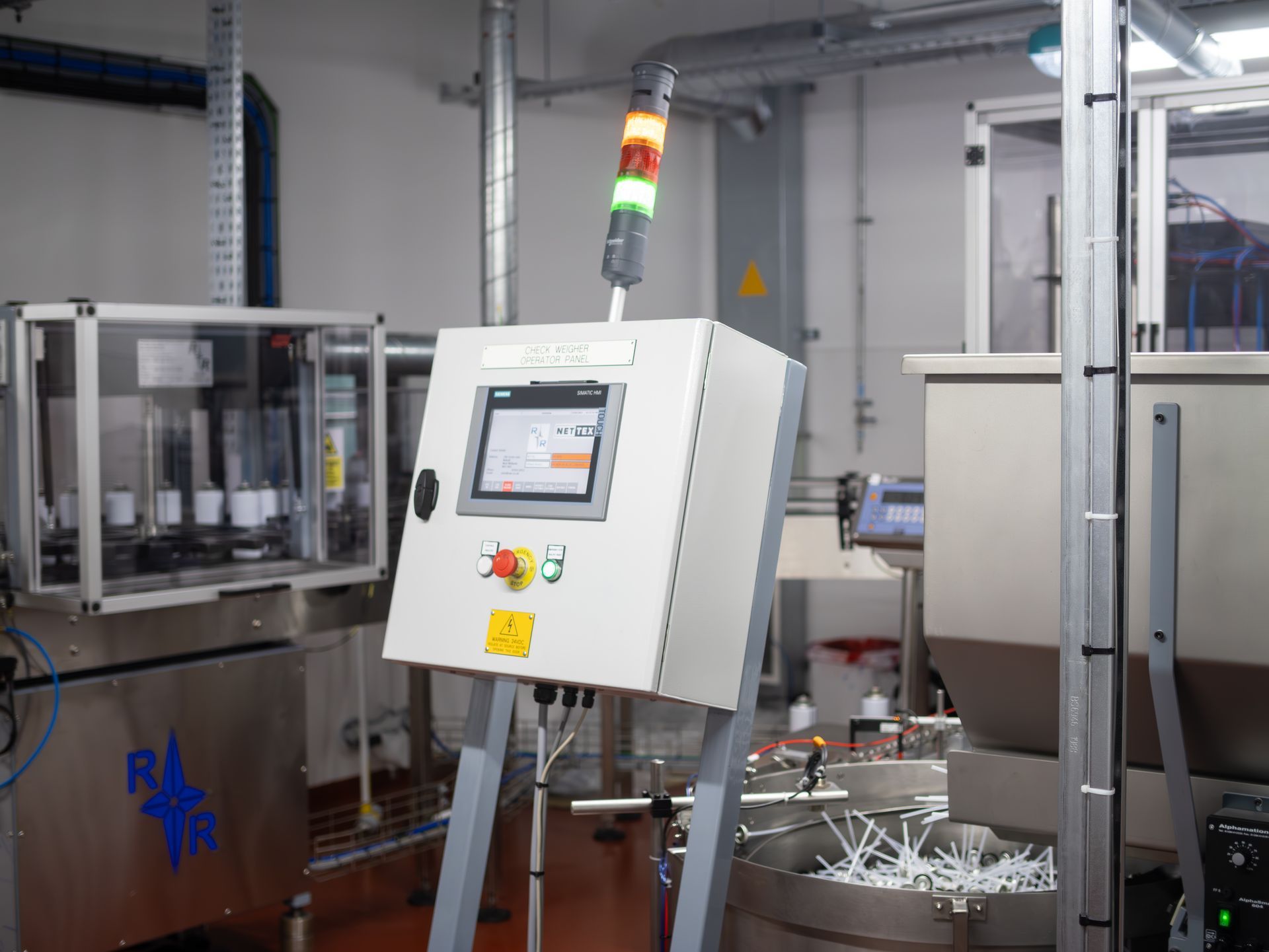
Emergency stop systems are one of the most recognisable safety features found on industrial machinery. The familiar red button on a yellow background is designed to be easy to locate and operate when something unexpected happens. While it may seem like a simple component, it forms part of a much wider approach to protecting people, equipment and production processes.
An emergency stop should never be viewed as the only safety measure. Instead, it works alongside other machine safety systems to reduce risk when normal operation can no longer continue safely.
What is an emergency stop system designed to do?
An emergency stop, often shortened to E-stop, is intended to bring machinery to a safe state as quickly as reasonably possible when an emergency arises.
Situations that may require an emergency stop include someone entering a hazardous area unexpectedly, a machine malfunction, material becoming trapped, or any event where continuing operation could increase the risk of injury or equipment damage.
When activated, the system interrupts the machine's operation according to its design. Depending on the equipment, this may involve removing power, stopping moving parts or preventing further automatic movement until the issue has been investigated.
Because every machine operates differently, the exact response is determined during the design process and forms part of the overall machine safety solutions developed for that application.
Why is an emergency stop only one part of machine safety?
It is easy to assume that pressing the emergency stop solves every problem, but it is only one layer within a much broader safety strategy.
Modern machine safety systems often include protective guarding, interlocked doors, light curtains, safety scanners, two hand controls and programmable safety controllers. Each measure is designed to reduce specific risks identified during the machine's risk assessment.
An emergency stop is intended for situations where immediate intervention is required. It is not designed to replace safe operating procedures or routine machine controls.
By combining multiple machine safety solutions, manufacturers can create equipment that remains practical to operate while helping to reduce risks during normal production and maintenance.
Where should emergency stop devices be located?
Positioning is just as important as the emergency stop itself. Operators should be able to reach an emergency stop quickly without needing to move through a hazardous area. On larger production lines, multiple emergency stop buttons are often positioned at regular intervals so that one is always within easy reach.
The location also needs to take maintenance engineers, loading areas and operator workstations into account. If a button cannot be accessed quickly during an emergency, valuable seconds may be lost.
Clear labelling, consistent positioning and regular staff training all help ensure emergency stop devices remain effective when they are needed.
Why is regular testing so important?
Like any safety device, emergency stop systems require routine inspection and testing. Mechanical wear, electrical faults or accidental damage can affect how reliably the system operates over time. Scheduled maintenance allows engineers to confirm that emergency stops function correctly and that machinery responds as intended.
Testing also provides an opportunity to verify that other machine safety systems continue working together correctly. Safety functions often rely on multiple components communicating with one another, so checking the complete system helps identify issues before they become serious.
Recording inspections and maintenance can also support compliance with workplace safety procedures and internal quality management systems.
How do emergency stop systems support safer workplaces?
Emergency stop systems contribute to safer working environments by providing operators with a rapid method of stopping machinery during unexpected situations. However, their effectiveness depends on careful design, appropriate installation and ongoing maintenance.
Successful machine safety solutions consider the entire operating environment rather than focusing on a single component. Factors such as operator behaviour, machine layout, maintenance access and production processes all influence how safety systems should be designed.
When emergency stops form part of a well-planned safety strategy, businesses are better placed to protect employees, reduce equipment damage and support reliable day to day operations.
What is the purpose of an emergency stop system?
An emergency stop system is designed to stop machinery safely when an unexpected situation creates a potential risk to people or equipment.
Are emergency stops required on every machine?
The need for an emergency stop depends on the machine and the risks identified during its design. Many industrial machines include them as part of their overall safety measures.
How often should emergency stop systems be tested?
Testing should form part of a planned maintenance programme. The frequency depends on the equipment, how often it is used and the organisation's maintenance procedures.
Are emergency stop buttons enough to make machinery safe?
No. Emergency stops work alongside other machine safety systems, including guards, interlocks and safety sensors, as part of a wider risk reduction strategy.
Why are machine safety solutions important?
Effective machine safety solutions help reduce risks during operation, maintenance and fault conditions, supporting safer workplaces while helping machinery operate reliably.