The Process of Control Panel Design and Build
Electrical control panels sit at the centre of many industrial systems. They manage how machines operate, how processes are controlled, and how equipment communicates. While the finished panel may look straightforward from the outside, the process behind it involves careful planning and coordination.
Understanding how control panel board design and build work in practice helps explain why each stage plays a role in the final outcome.
What are the requirements?
Every project begins with a clear understanding of what the system needs to do. This usually involves discussions between engineers, operators, and control panel manufacturers.
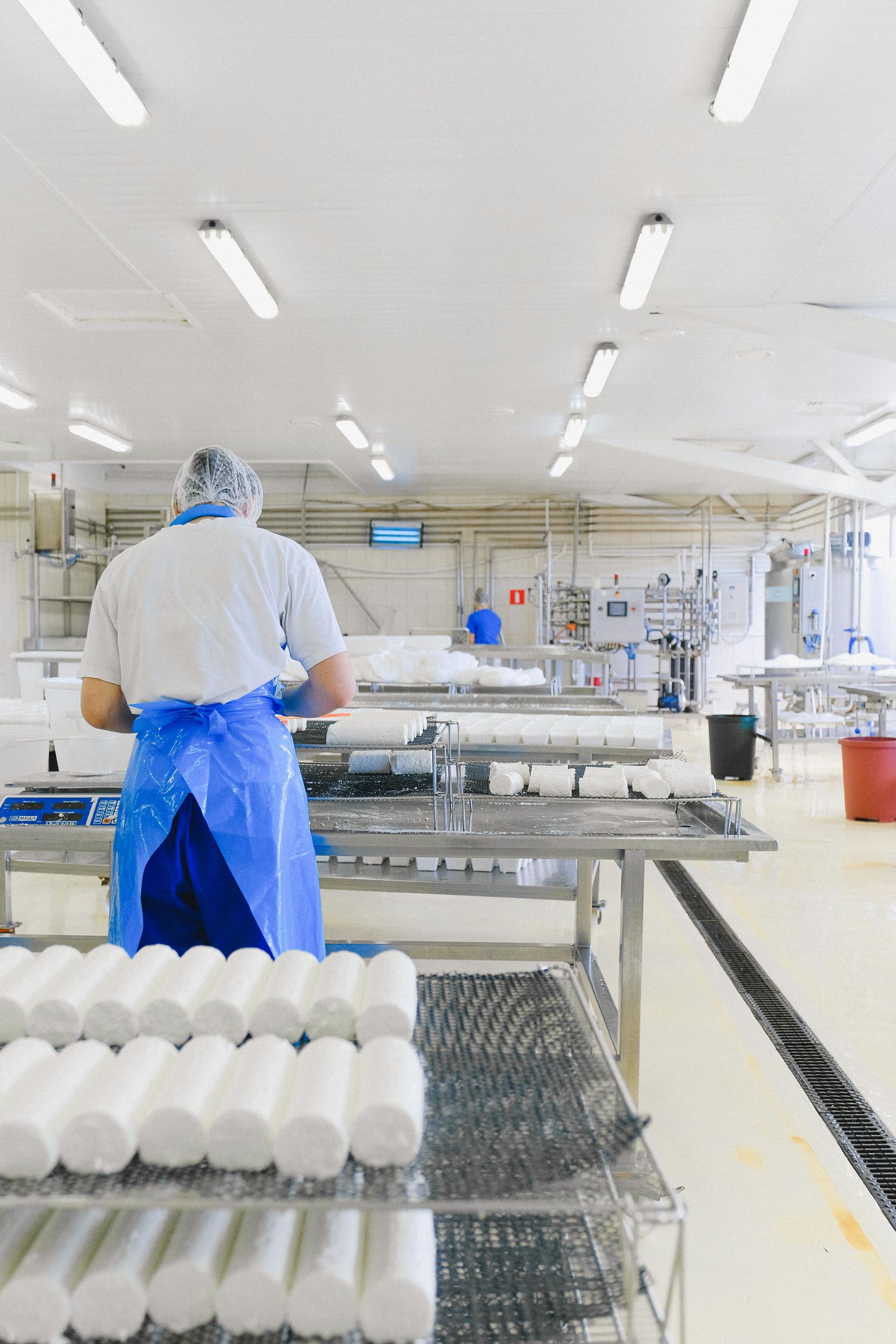
At this stage, details such as the type of machinery involved, the operating environment, and the level of automation required are identified. For example, a system used in a manufacturing plant may need to handle continuous operation, while a smaller installation may focus on specific tasks.
In practical terms, this stage sets the direction for the entire project. Missing or unclear requirements can lead to changes later, which can affect both cost and timelines.
How is control panel design developed?
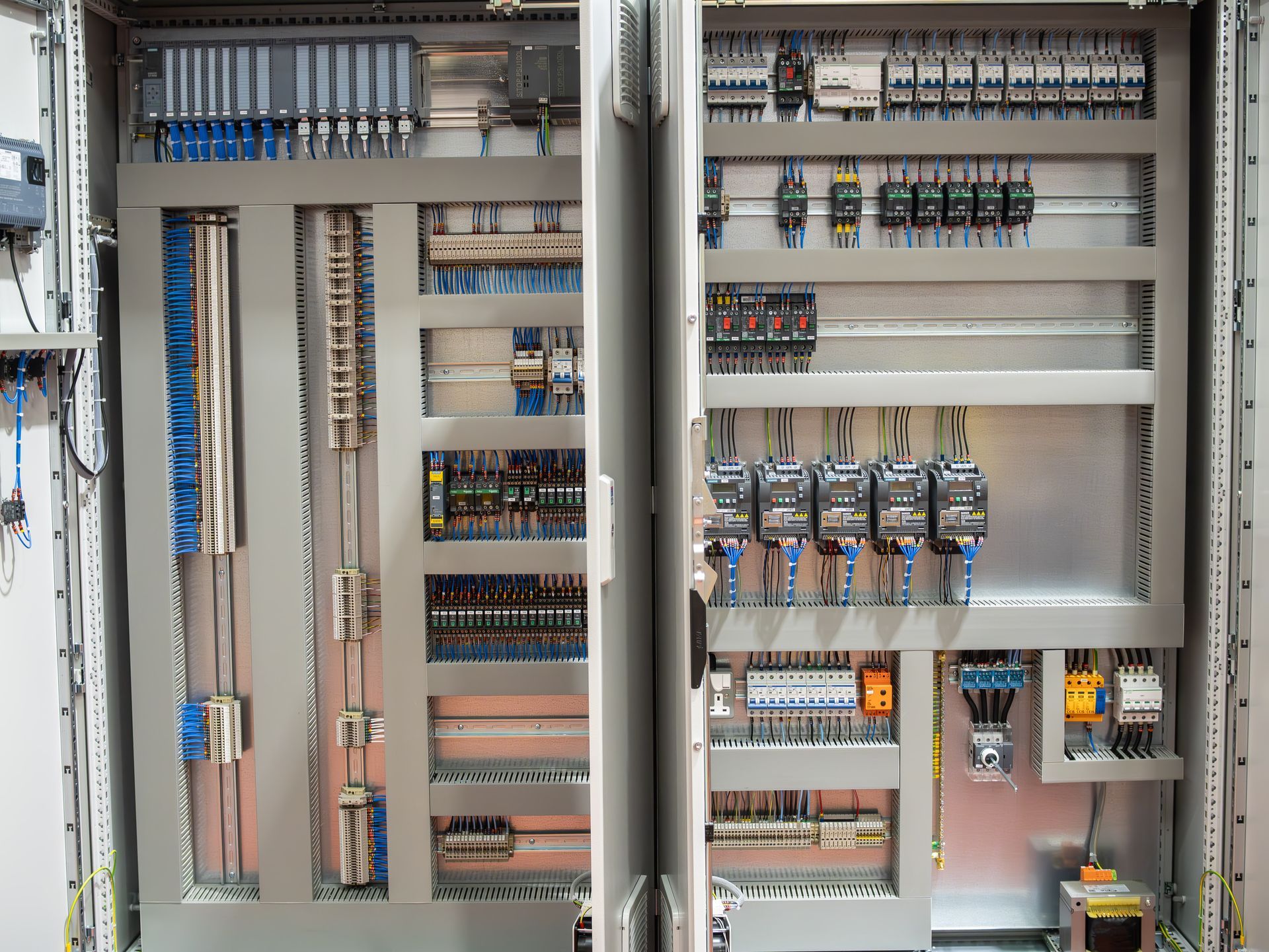
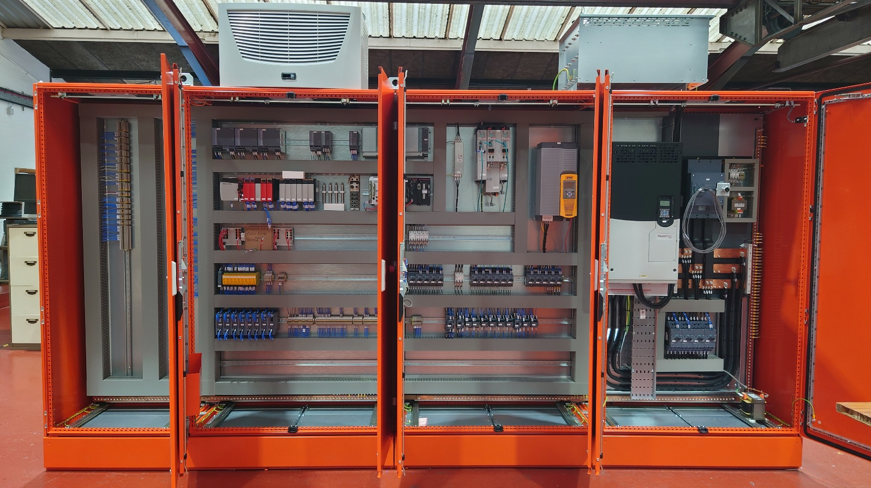
Once the requirements are defined, the next step is to translate them into a working design. Control panel board design involves deciding how components will be arranged and how they will connect.
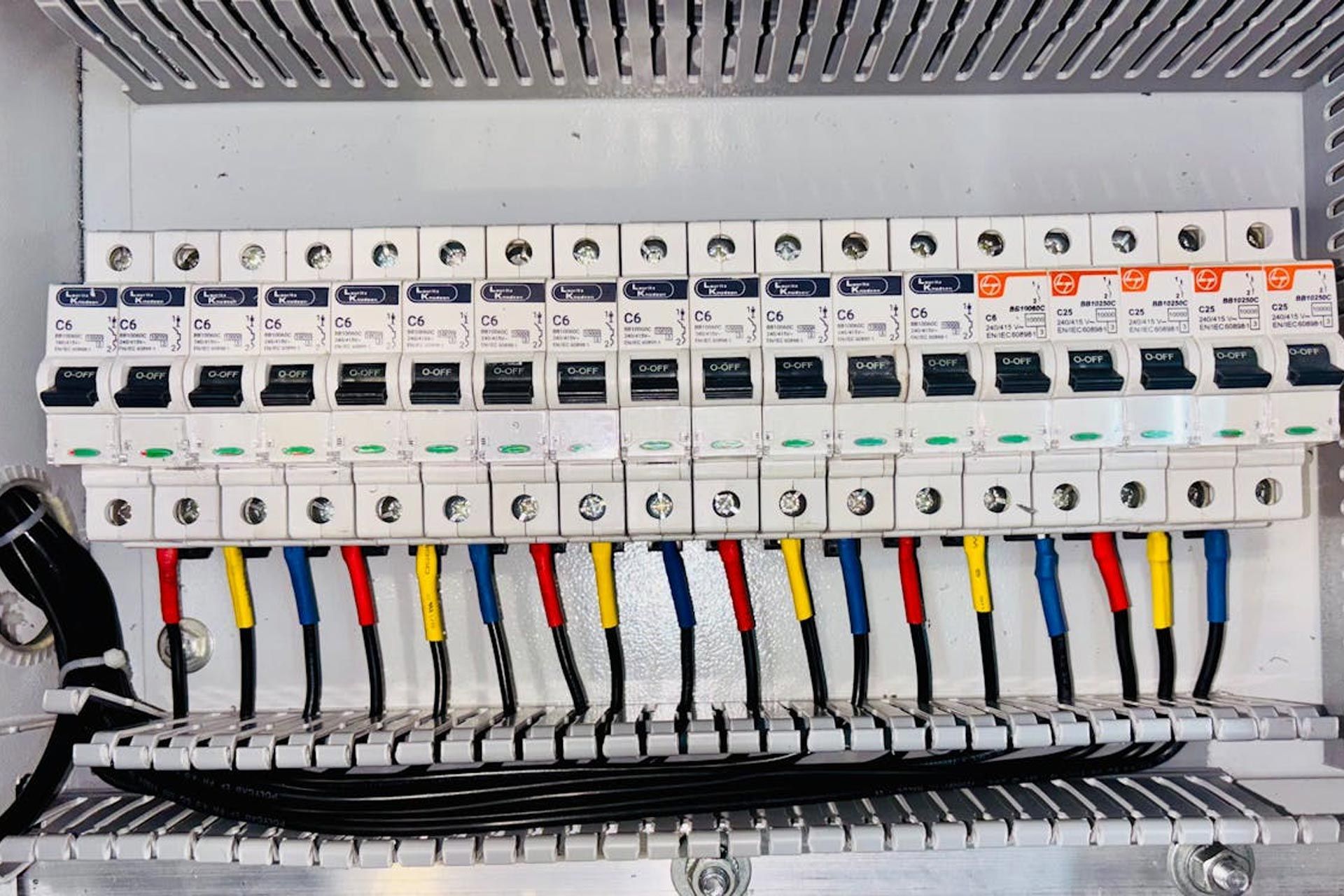
This includes selecting items such as circuit breakers, relays, programmable controllers, and wiring layouts. The aim is to create a design that is both functional and easy to maintain.
Space within the panel is also considered. Components need to be positioned so that heat can dissipate, and so that technicians can access them when needed. In practice, a well thought out layout makes installation and future servicing more straightforward.
How are schematics created?
Alongside the physical layout, detailed drawings are produced. These schematics show how each component connects and how signals flow through the system.
For control panel manufacturers, this documentation acts as a reference during the build process. It also becomes a useful tool for future maintenance, allowing engineers to trace connections and diagnose issues.
In day-to-day use, having accurate documentation can reduce downtime when adjustments or repairs are required.
How is the panel built?
With the design finalised, the build phase begins. Components are mounted within the enclosure, and wiring is installed according to the schematics.
This stage requires attention to detail. Each connection needs to be secure, and wiring must be organised in a way that prevents confusion later on. Labelling is also applied so that each part can be easily identified.
From a practical perspective, the quality of the build affects how reliable the panel will be in operation. Small errors at this stage can lead to issues once the system is live.
How are quality checks carried out?
Before the panel is installed on site, it is typically tested to ensure it functions as expected. This may involve simulating inputs and outputs to confirm that the system responds correctly.
Control panel manufacturers often carry out these checks in a controlled environment. This allows any issues to be identified and resolved before the panel is delivered.
In practice, this stage helps reduce the risk of delays during installation, as problems are addressed in advance rather than on site.
How are control panels installed?
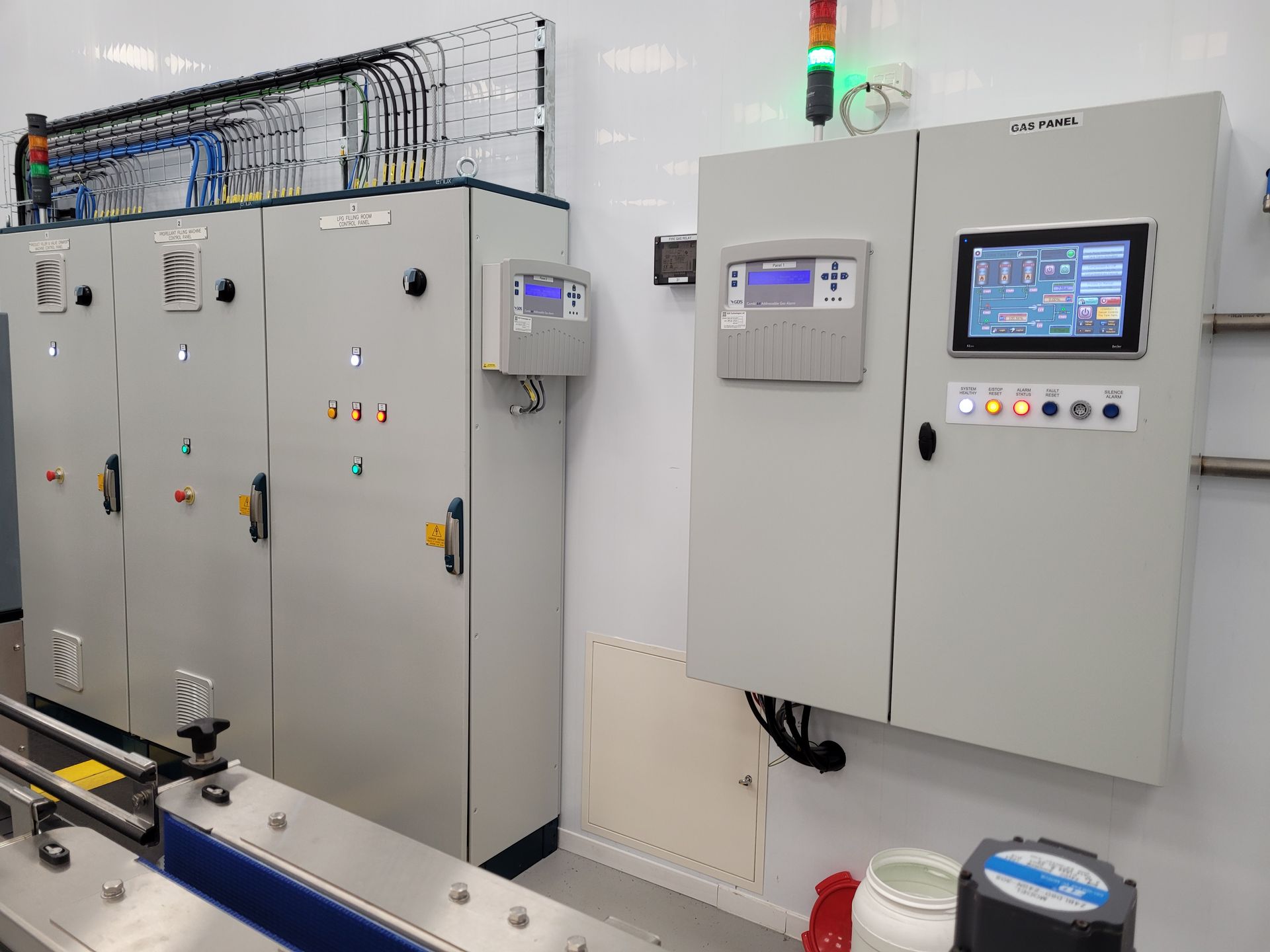
Once testing is complete, the panel is delivered and installed within the wider system. Connections are made to machinery, sensors, and power supplies.
Commissioning then takes place, where the system is brought into operation and fine tuned. Adjustments may be made to ensure that everything runs smoothly under real conditions.
This stage often involves collaboration between engineers and operators, as the system is tested in its working environment.
How are control panels supported long-term?
After installation, control panels may require periodic adjustments or updates. Changes in production requirements or equipment can lead to modifications in how the panel operates.
A well-executed control panel board design makes these changes easier to implement. Clear layouts and accurate documentation allow engineers to make updates without unnecessary disruption.
Over time, this flexibility supports the long-term performance of the system.
What is control panel board design?
It is the process of planning how electrical components are arranged and connected within a control panel.
What do control panel manufacturers do?
They design, build, and test control panels based on specific project requirements.
Why is testing important before installation?
Testing helps identify and resolve issues before the panel is used in a live environment.
How long does it take to build a control panel?
The timeframe varies depending on the complexity of the system and the level of customisation required.
Can control panels be modified after installation?
Yes, many panels are designed to allow for adjustments as system requirements change.