The Importance of Correct Cable Management in Control Panels
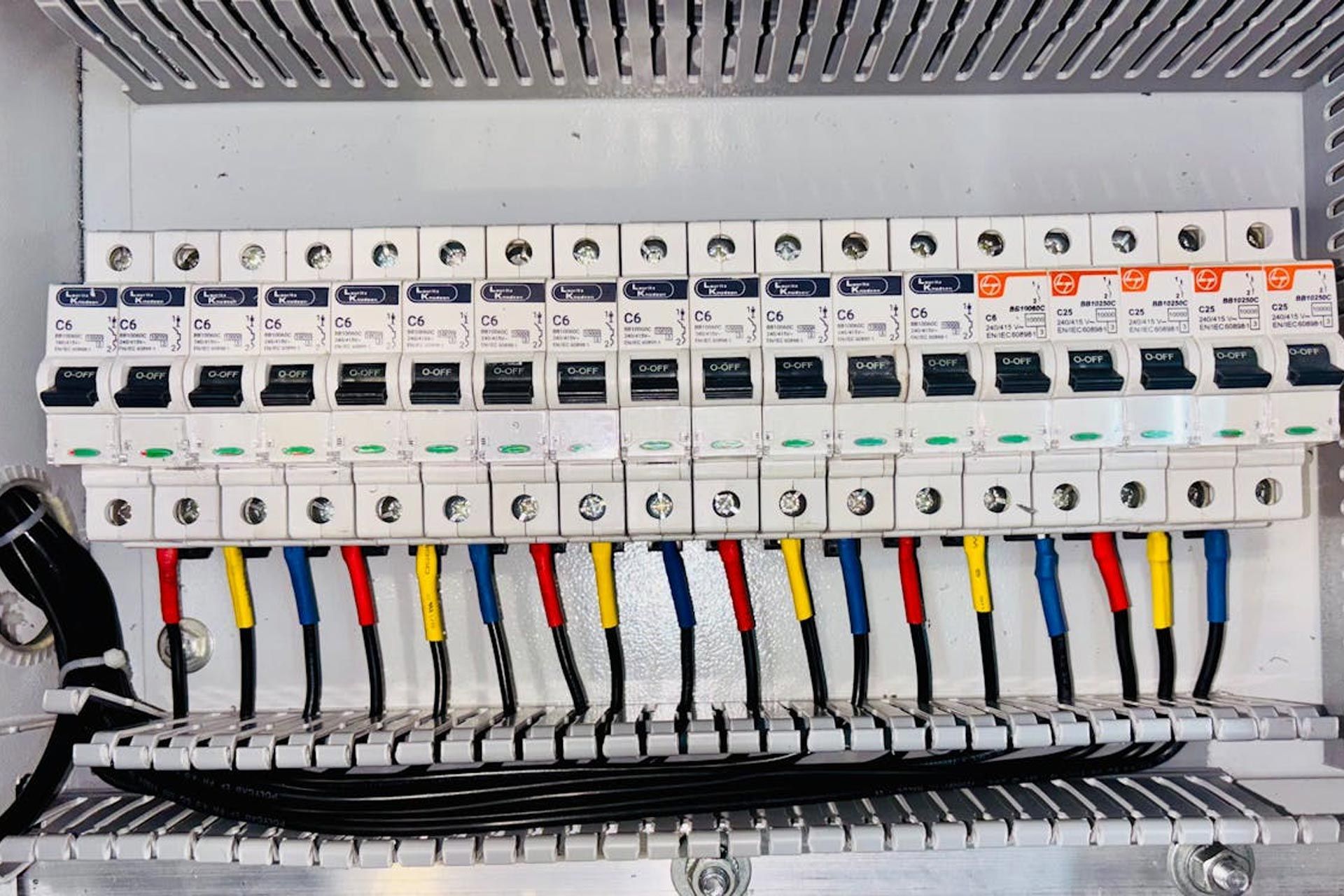
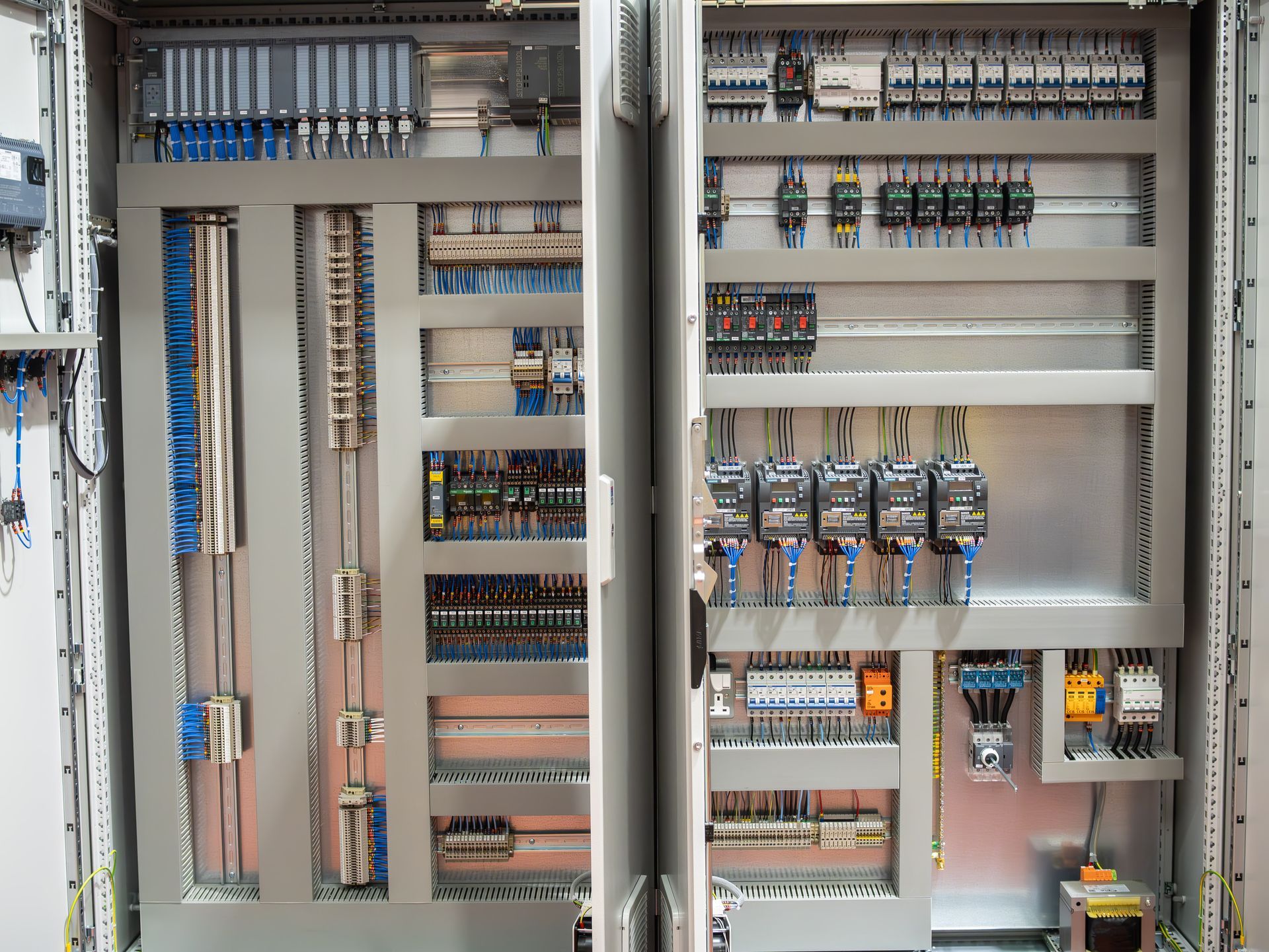
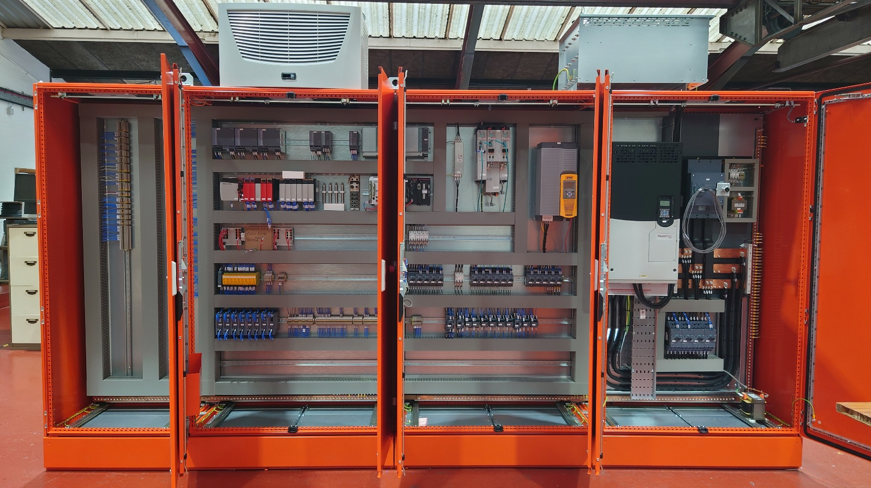
When you open the door of any well-built control panel, one of the first things you’ll notice is the wiring. Neat looms, clearly routed cables, proper labelling and sensible spacing all give an immediate impression of quality. Open a poorly organised panel and the opposite is true. Cables may be tangled, crossing over one another, or stretched too tightly across components.
Cable management is often viewed as a finishing detail, but in practice it has a direct impact on safety, reliability and long-term maintenance. For any control panel builder, getting cable management right is part of building a panel that will stand up to real world use.
Why does cable management matter?
Control panels house power distribution, control circuits, PLCs, drives and communication systems. When cables are not routed properly, several practical problems can occur.
Poorly supported cables can vibrate loose over time. In industrial environments where machinery runs continuously, vibration is common. If cables are not secured with appropriate trunking and fixings, connections can weaken. This may lead to intermittent faults that are difficult to diagnose.
Overcrowded wiring also traps heat. Drives and power components already generate warmth. When cables are tightly packed without airflow, temperatures can rise further, potentially reducing component lifespan.
Good control panel design takes heat dissipation into account and plans cable routes accordingly.
Supported safety and compliance
Electrical safety standards require correct segregation of power and control wiring. Mixing high voltage cables with low voltage signal cables can lead to interference and potential safety concerns.
A competent control panel builder will plan cable routes so that different types of wiring are clearly separated. Trunking, gland plates and cable entries are positioned with purpose rather than convenience.
Clear labelling also supports safe isolation. During maintenance, engineers need to identify circuits quickly. Well managed cables reduce the risk of accidental disconnection or incorrect reconnection.
Easier maintenance and fault finding
In real world situations, panels are opened for upgrades, troubleshooting or expansion. When wiring is organised logically, engineers can trace circuits quickly. Cable markers and structured routing save time and reduce frustration.
By contrast, a panel with disordered wiring can turn a simple fault into a lengthy investigation. Engineers may need to move or untangle cables to reach terminals. The risk of disturbing adjacent circuits increases.
Thoughtful control panel design considers future access. Allowing space for additional wiring or components makes later modifications simpler and safer.
Mechanical protection and longevity
Cables that are bent sharply or stretched tightly can degrade faster. Insulation may crack over time, particularly in environments with temperature fluctuations. Proper bend radius, strain relief and support are not cosmetic details. They protect the integrity of the installation.
In panels exposed to dust or moisture, cable glands and seals must be fitted correctly. Poor management at entry points can compromise the enclosure rating and allow contaminants inside.
An experienced control panel builder pays attention to these small but important details because they influence the lifespan of the entire system.
Should cable management be part of design?
Effective cable management starts long before the panel is wired. During control panel design, component layout should allow for sensible cable paths. Placing terminals too close together or positioning high power devices without considering routing can create avoidable challenges later.
Design drawings and layout plans should reflect not only electrical schematics but also physical space for wiring. In practice, panels that are well designed on paper tend to be easier to wire neatly and maintain over time.
While neat wiring may look impressive, its value lies in performance rather than appearance. Organised cable management supports reliability, simplifies maintenance and helps ensure compliance with electrical standards.
For businesses investing in automation systems, the way cables are routed and secured inside a panel is often a good indicator of the overall approach taken to quality and long-term thinking.
Why is cable segregation important in control panels?
Separating power and control cables reduces electrical interference and supports safety compliance.
Does neat wiring really affect performance?
Yes, organised wiring improves heat management and reduces the risk of loose connections.
How does cable management help with maintenance?
Clear routing and labelling make it easier to trace circuits and diagnose faults.
Should cable management be considered during control panel design?
Yes, planning cable routes at the design stage prevents overcrowding and simplifies installation.
Can poor cable management shorten equipment lifespan?
Improper support and tight bends can damage insulation and connections over time.