Why Waste Management Plants Rely on Industrial Control Systems
Modern waste management plants are far more complex than many people realise. Behind the scenes, conveyors move tonnes of material every hour, magnets separate metals, optical sorters identify plastics, compactors reduce volume, and ventilation systems control dust and odours. None of this runs safely or efficiently without well designed industrial control systems.
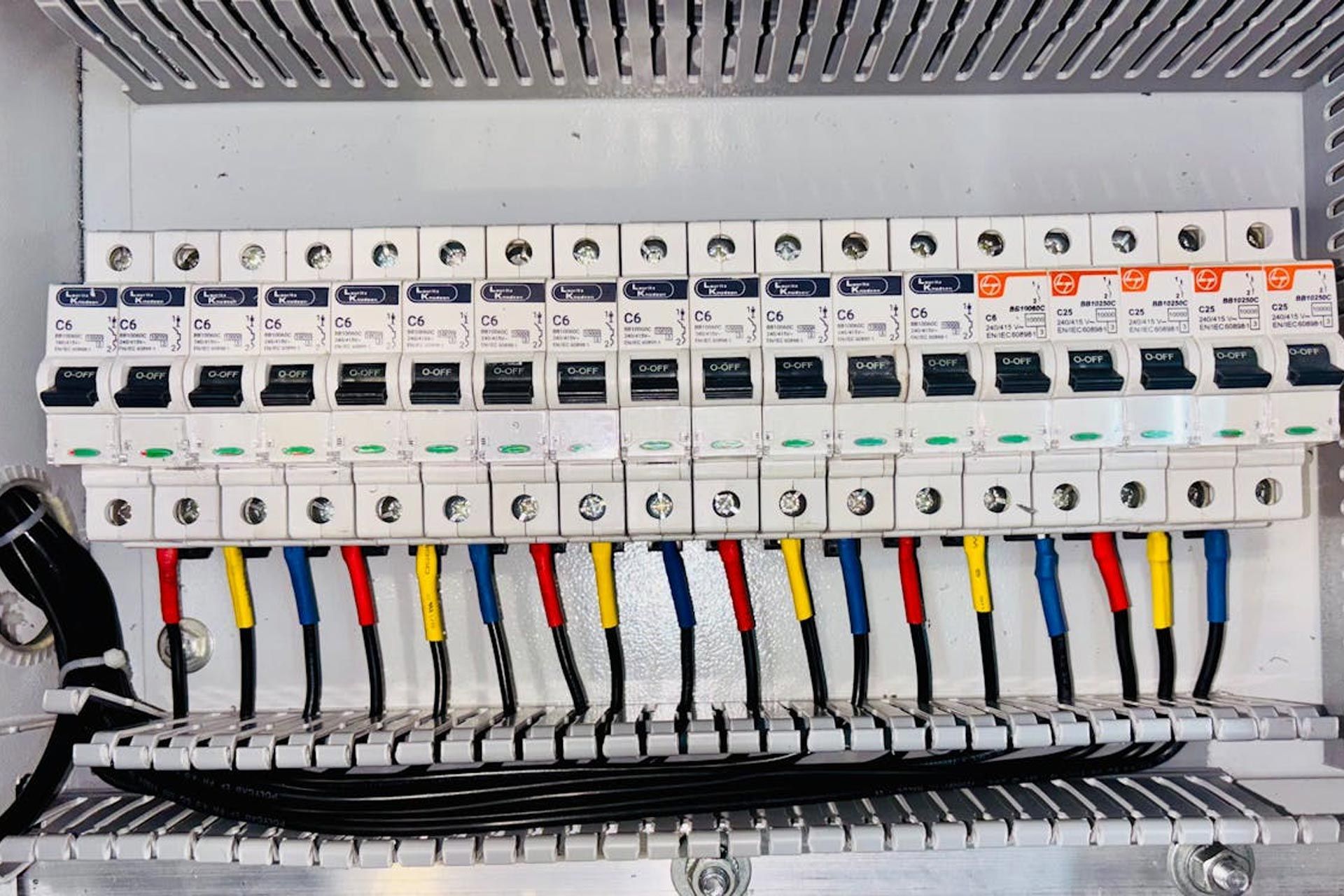
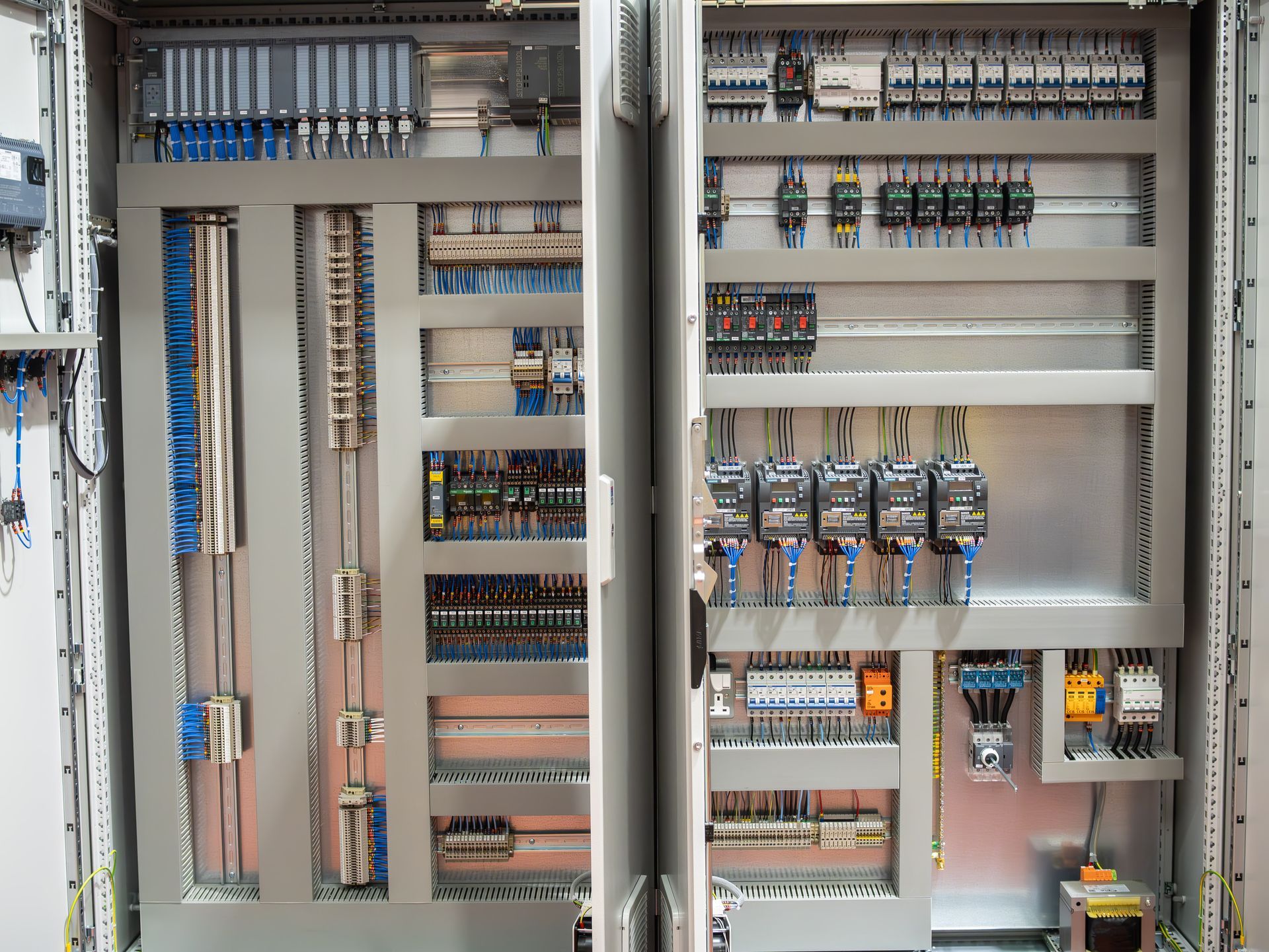
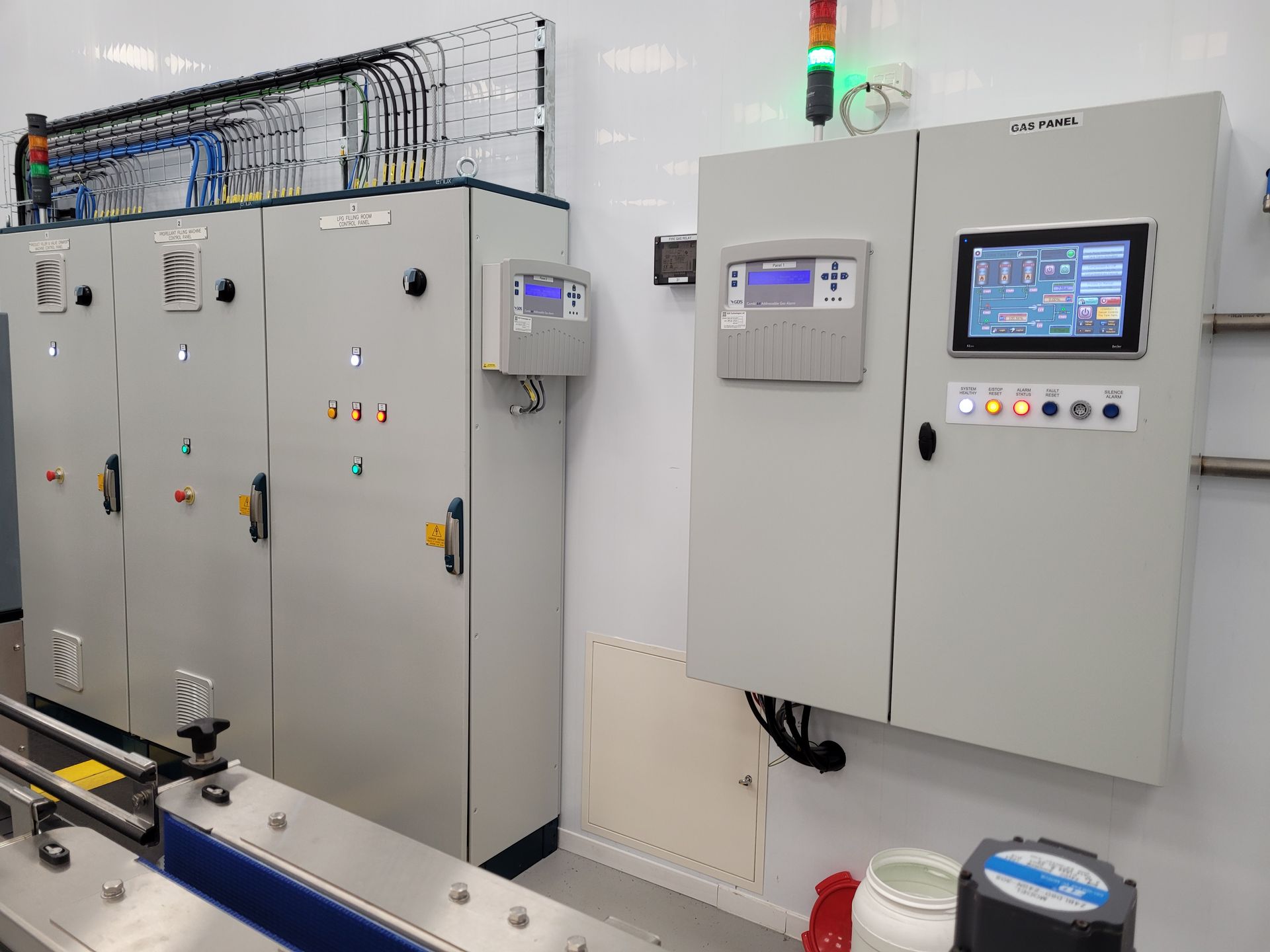
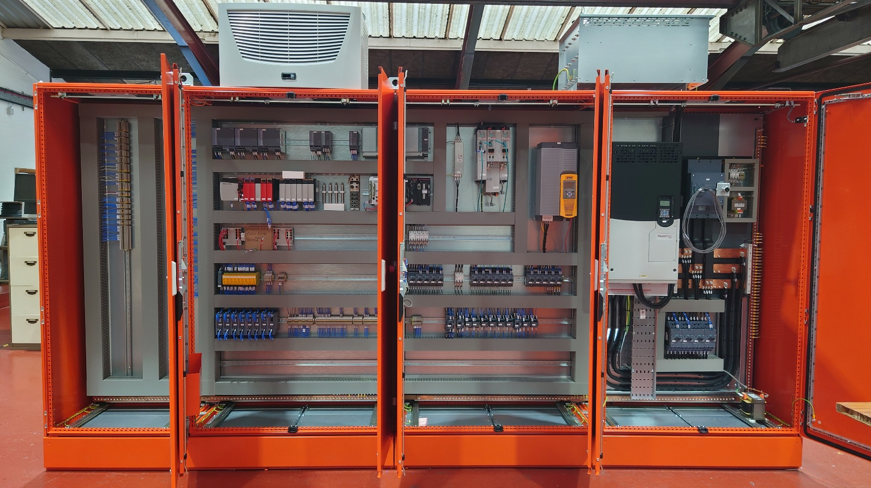
At the centre of these systems are electrical control panels. Built and assembled by experienced control panel manufacturers, these panels form the link between machinery, sensors, and operators.
Coordinating multiple processes
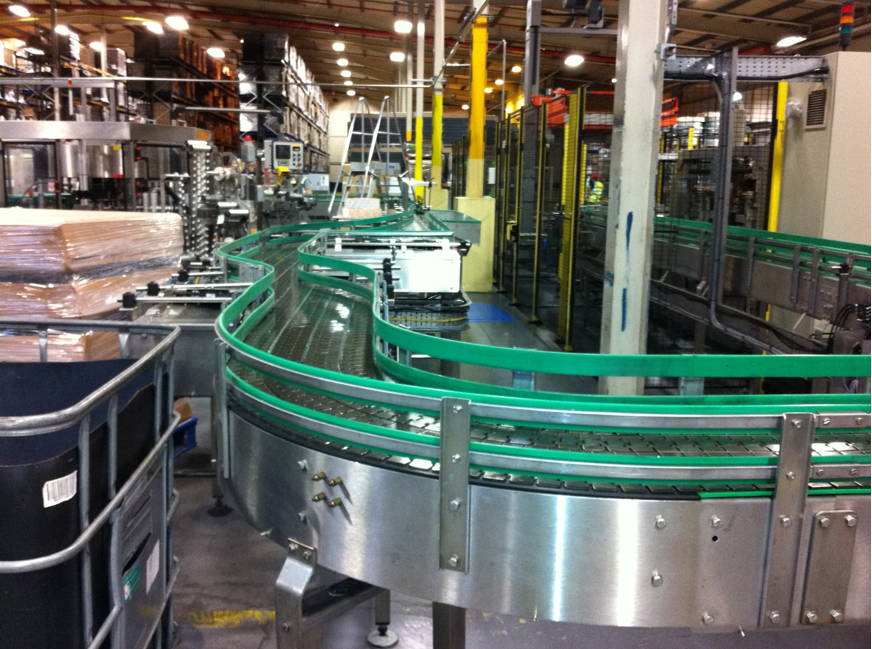
A typical waste management facility handles a continuous flow of mixed materials. Conveyors feed sorting lines, shredders reduce size, balers compress recyclables, and extraction systems manage air quality. Each part of the process must start, stop, and adjust at the right time.
Industrial control systems coordinate this sequence. Sensors detect material levels, motor loads, and equipment status. The control panel processes this information and sends signals to keep the plant running smoothly. Without this coordination, equipment could jam, overload, or run unnecessarily.
Control panel manufacturers design systems that manage these interactions reliably, even in harsh industrial environments.
Maintaining safety in demanding conditions
Waste plants present unique safety challenges. There is constant movement of heavy machinery, variable material types, and the risk of blockages or overheating. Control systems monitor conditions in real time.
For example, if a motor draws too much current due to a blockage, the system can trigger an automatic stop. Emergency stop circuits allow operators to halt equipment instantly. Temperature sensors can detect overheating in compactors or electrical cabinets.
A control panel builder incorporates these safety features directly into the panel design, ensuring compliance with relevant standards and reducing risk to staff and equipment.
Improving efficiency and energy use
Energy consumption is a significant cost in waste processing. Motors, shredders, and ventilation systems all require power. Industrial control systems help optimise usage by adjusting speeds and sequences based on demand.
Variable speed drives, controlled through the panel, allow conveyors and fans to run only as fast as needed. When sections of the plant are idle, systems can reduce power automatically. Over time, these adjustments contribute to lower operating costs and reduced wear on equipment.
Control panel manufacturers often work closely with plant operators to tailor systems to actual site conditions rather than relying on generic settings.
Supporting data and reporting
Modern waste facilities increasingly rely on data to monitor performance and demonstrate compliance. Control systems can log throughput, downtime, fault events, and energy usage.
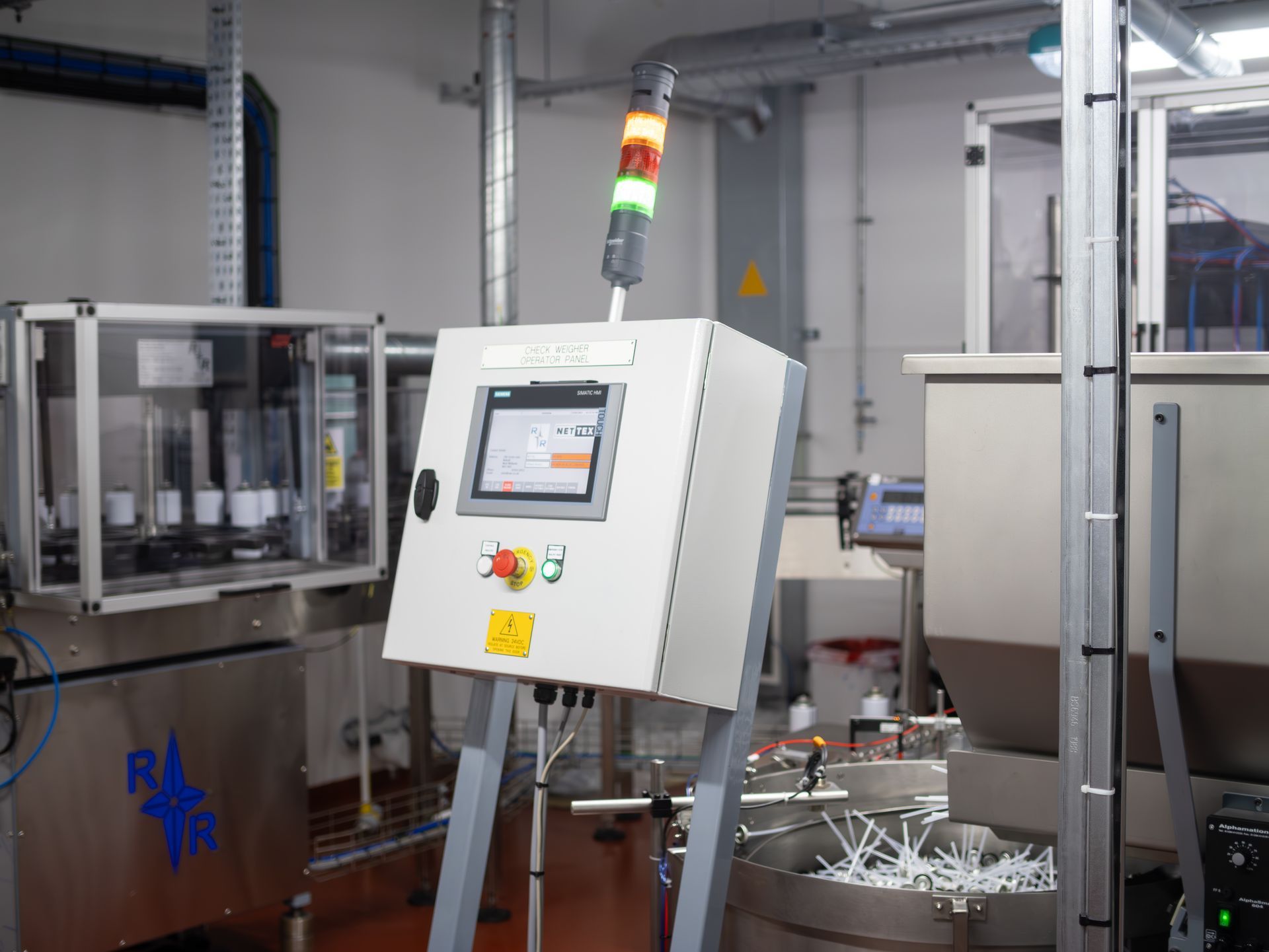
This information helps management identify bottlenecks and plan maintenance. If a particular conveyor repeatedly trips under load, the data provides evidence for mechanical review. A control panel builder can integrate human machine interfaces that display clear information to operators, making it easier to respond quickly.
Data driven insight supports continuous improvement rather than reactive problem solving.
Adapting to changing waste streams
Waste composition is not static. Changes in consumer behaviour, recycling regulations, and material design all affect what arrives at a plant. Industrial control systems provide flexibility.
Through software adjustments and hardware upgrades, sorting lines can be modified to handle new material types. Additional sensors or equipment can be integrated into existing panels. This adaptability reduces the need for full system replacement when processes evolve.
Control panel manufacturers design with expansion in mind, allowing room for future development within the panel layout.
Waste management plants depend on consistent, predictable performance. Industrial control systems provide that foundation. By coordinating machinery, supporting safety, improving efficiency, and capturing useful data, they allow complex facilities to operate day after day.
Behind every functioning plant is careful planning by engineers and skilled work from a control panel builder who understands how real-world conditions affect electrical systems. In an industry where downtime can be costly and disruptive, robust control systems are essential rather than optional.
What does an industrial control system do in a waste plant?
It coordinates machinery, monitors conditions, and ensures equipment operates safely and efficiently.
Why are control panels important in waste management?
They connect sensors, motors, and safety devices, allowing the entire process to be managed from a central point.
Can control systems reduce energy costs?
Yes, through controlled motor speeds and automated adjustments based on demand.
How do control panel manufacturers support plant safety?
They design systems with protective circuits, monitoring devices, and compliance with safety standards.
Can existing control panels be upgraded?
In many cases, a control panel builder can modify or expand panels to accommodate new equipment or process changes.