Is Investing in Bespoke Automation Worth it?
Automation is often discussed in terms of speed and efficiency, but the real value usually appears over time. For many industrial businesses, the decision to invest in bespoke automation is less about immediate savings and more about improving reliability, reducing waste, and creating systems that support long term growth.
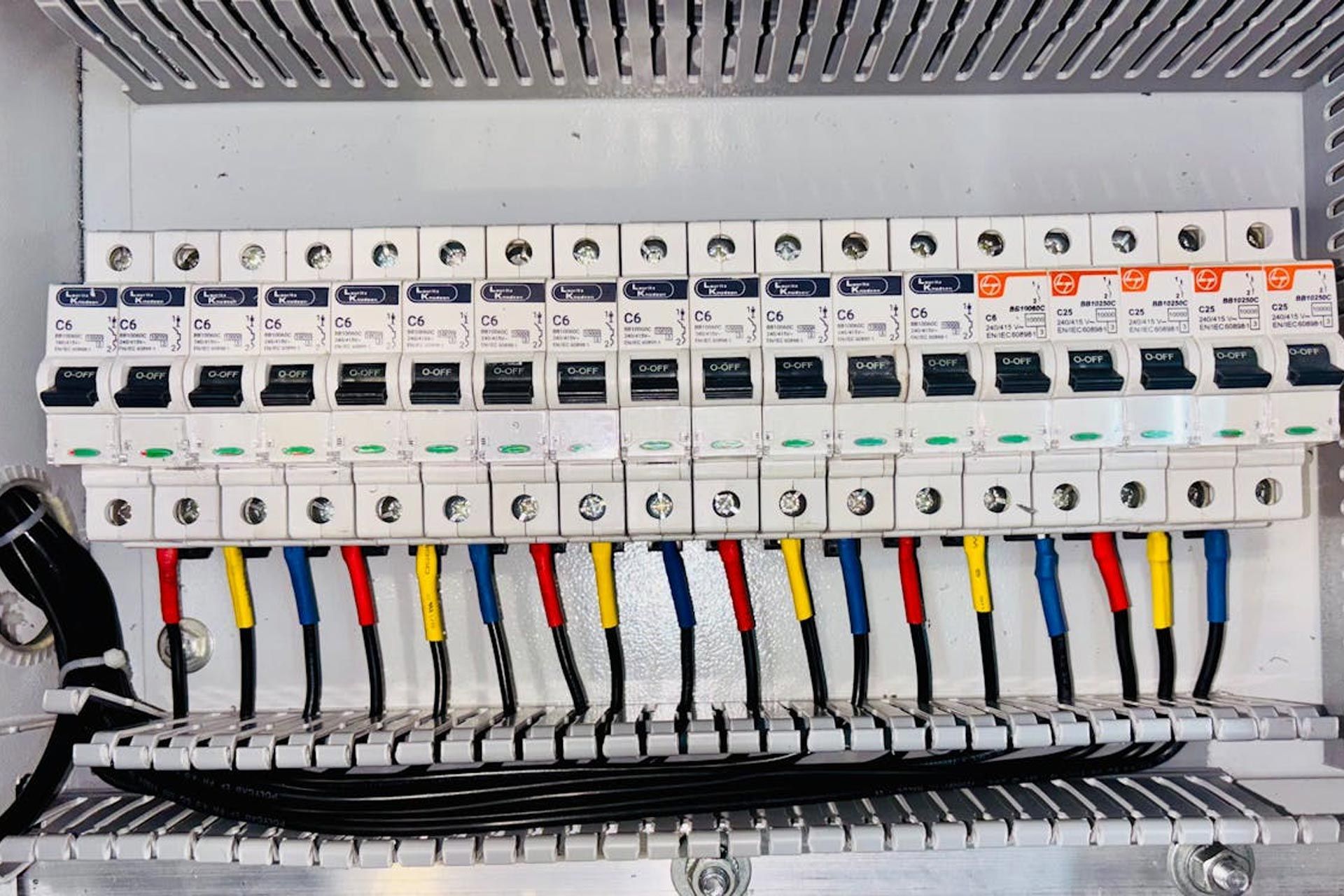
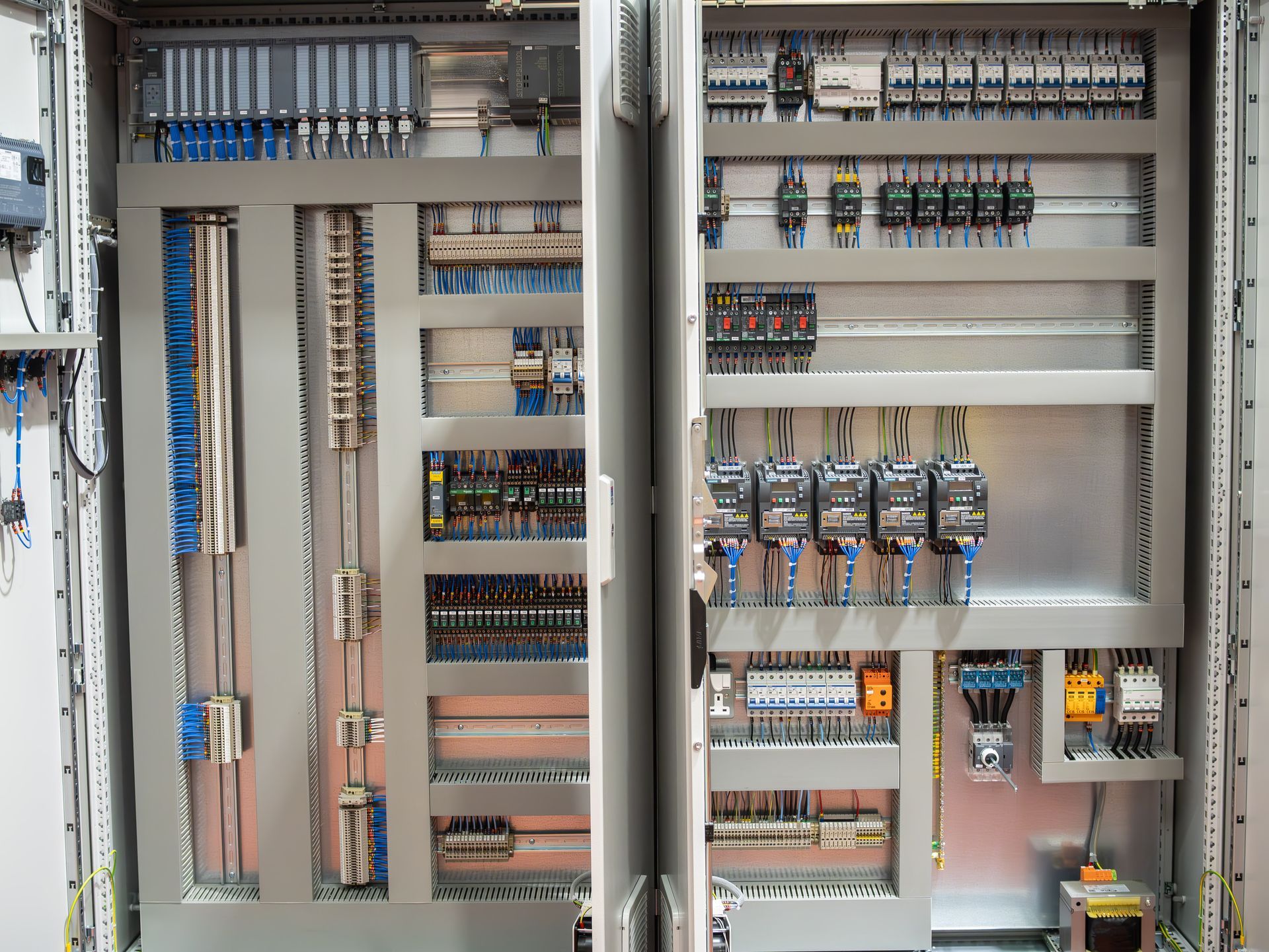
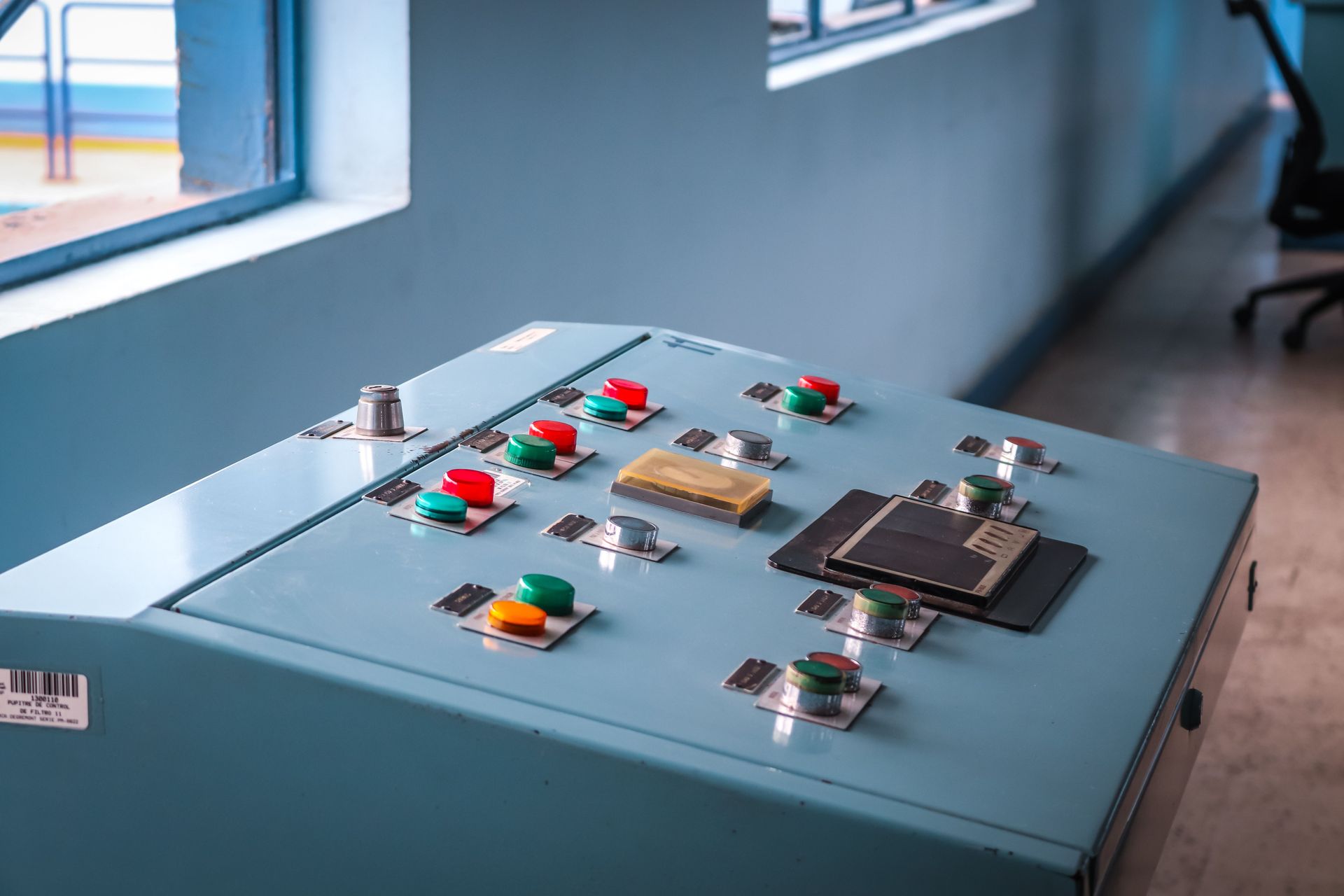
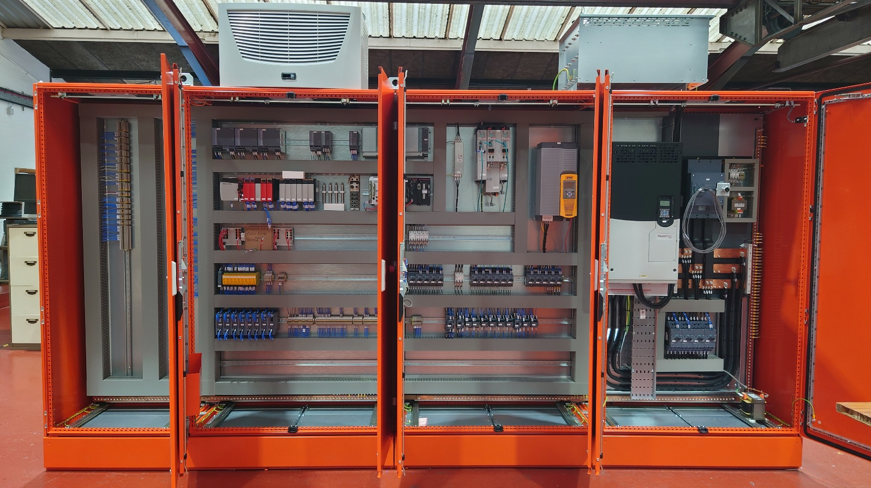
At the centre of many automated systems sits the electrical control panel. The way this panel is designed and integrated into the wider process plays a major role in whether the investment delivers meaningful return.
How does automation align with operational needs?
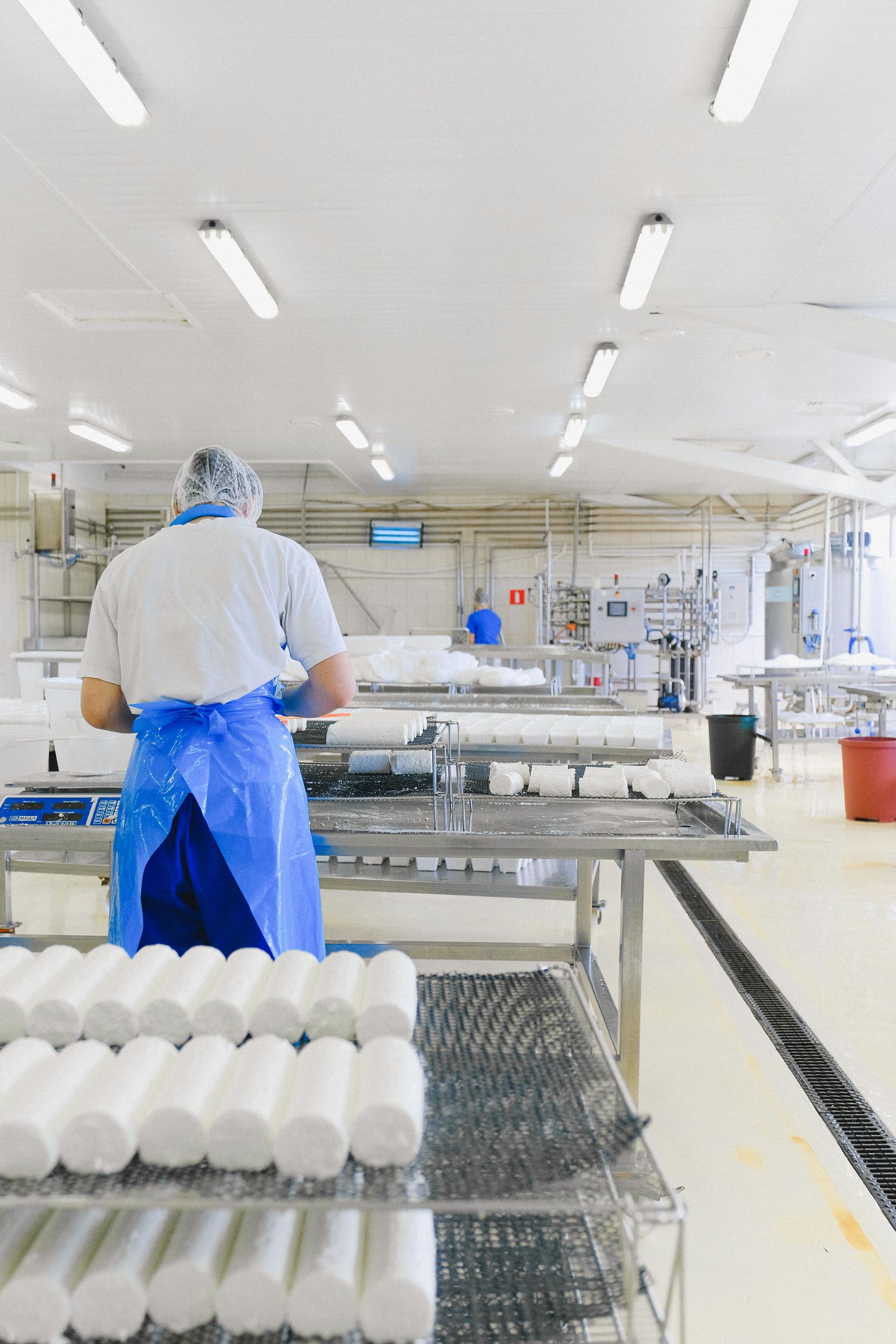
One of the reasons that bespoke automation can produce stronger long-term results is that the system is designed around the actual workflow of a facility. Off the shelf equipment often requires operators to adapt their processes to the machine.
With bespoke solutions, the opposite tends to happen. Our control panel builders work with engineers and operators to understand how materials move through the site, how equipment interacts, and where delays occur. The resulting control panel design reflects those realities.
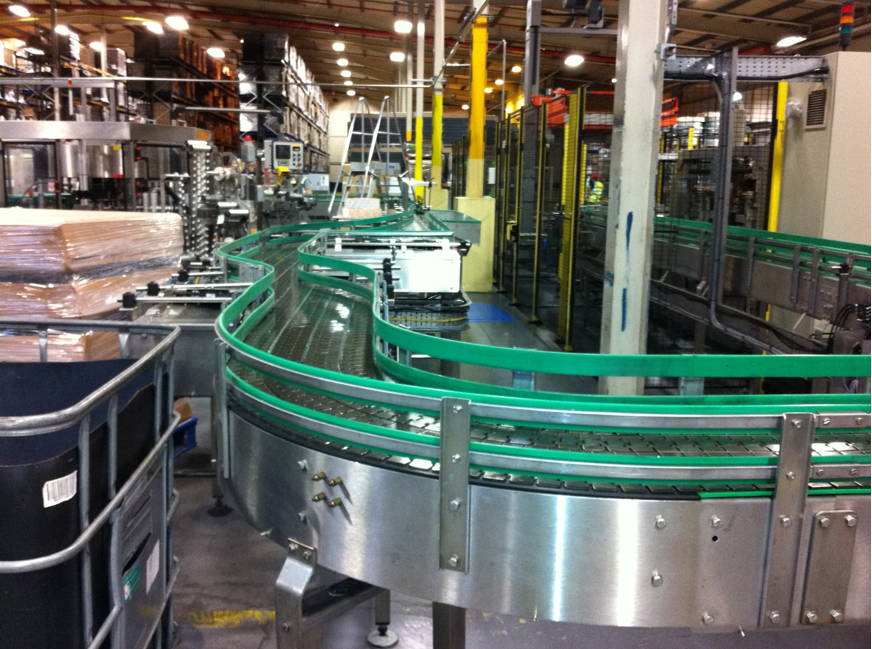
For example, conveyors, sensors, and motors can be synchronised to prevent bottlenecks. When the control panel design supports the natural rhythm of production, the process tends to run more smoothly.
How do smarter systems reduce downtime?
Downtime can be a costly issue in manufacturing and processing environments. Even short interruptions can affect output, staffing schedules, and delivery commitments.
Bespoke automation can reduce downtime by providing better visibility of how equipment is performing. Sensors connected through a well-structured control panel design can monitor temperature, load levels, and system status.
When something begins to drift outside normal conditions, operators can see the issue early and address it before a full stoppage occurs. Over time, this proactive approach helps reduce unplanned maintenance and improves overall equipment reliability.
Our skilled control panel builders often incorporate diagnostic tools and monitoring features that make this process easier for maintenance teams.
How can automation improve energy efficiency?
Energy costs represent a significant operational expense in many industries. Automation systems can play a role in managing these costs when they are designed thoughtfully.
For instance, motors and drives can be programmed to operate only when needed rather than running continuously. Equipment can be sequenced so that machines start and stop in an efficient order.
The details of the control panel design determine how effectively these adjustments can be made. A flexible system allows operators to fine tune performance as production demands change.
Does automation support scalability and future upgrades?
Industrial operations rarely stay static. Production volumes change, new products are introduced, and regulatory requirements evolve. Systems that cannot adapt easily often require costly replacement.
Bespoke automation can be designed with expansion in mind. Ours control panel builders at SM Control often include spare capacity within the panel layout or allow for additional sensors and equipment to be integrated later.
This can help businesses avoid the need to redesign entire systems when operations grow.
Does automation enhance operator usability?
The people who interact with automation systems every day often determine how successful those systems become. If a system is difficult to understand or control, efficiency can suffer.
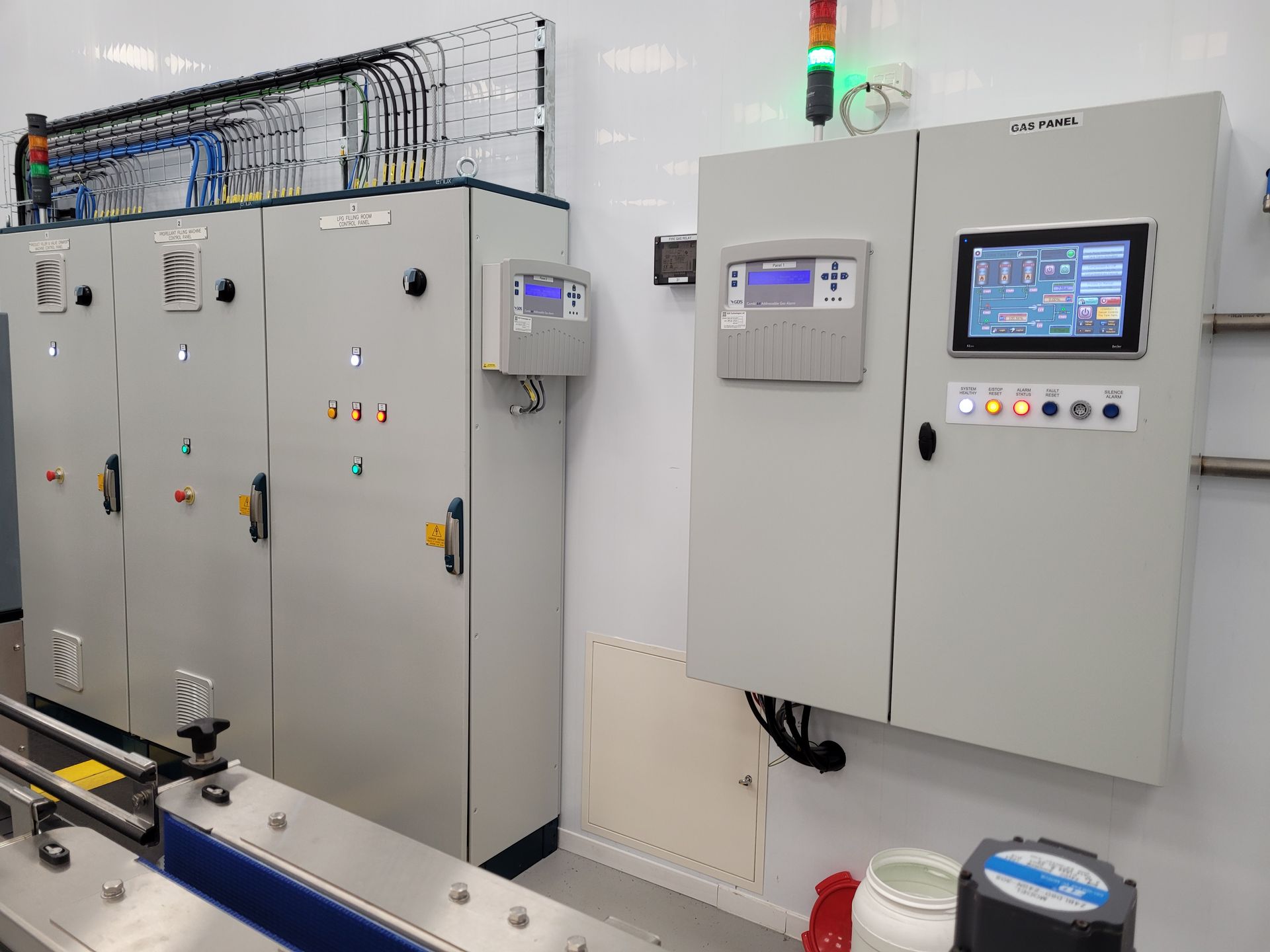
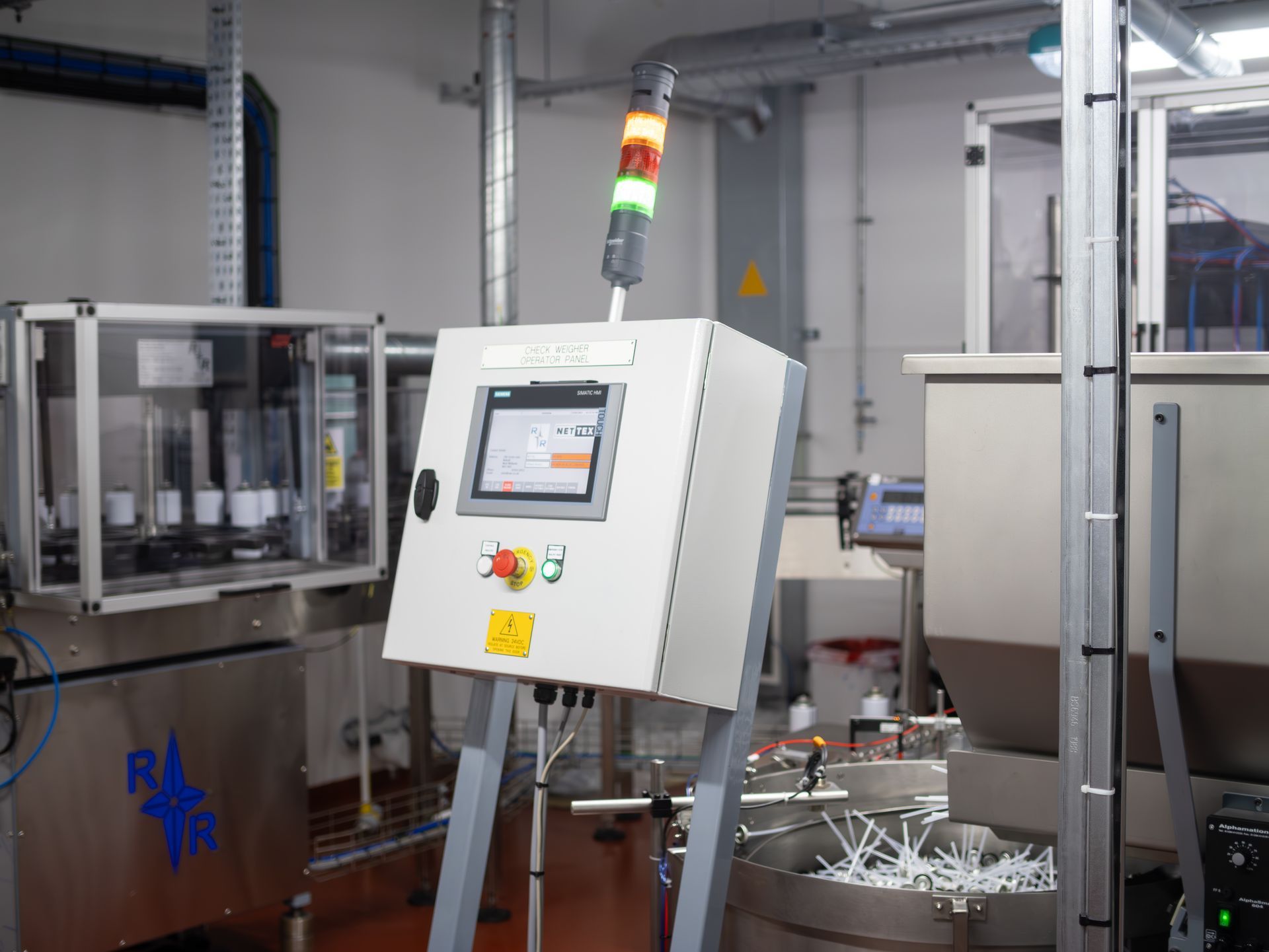
Clear human machine interfaces and well organised control panels make daily operation easier. Operators can see system status quickly and respond to changes without confusion.
Good control panel design considers how the system will be used on the shop floor, not just how it functions technically.
Return on investment from bespoke automation rarely comes from a single improvement. Instead, it builds gradually through reduced downtime, improved efficiency, lower energy consumption, and easier maintenance.
When automation is designed around real operational conditions and supported by thoughtful control panel design, these improvements accumulate over time.
What does bespoke automation mean?
It refers to automation systems designed specifically for the needs of a particular facility or process.
How does a control panel builder contribute to automation projects?
A control panel builder designs and assembles the electrical systems that control and monitor automated equipment.
Can bespoke automation reduce downtime?
In many cases it can, particularly when monitoring systems detect issues early.
Why is control panel design important?
A well planned control panel design improves reliability, usability, and system flexibility.
Does automation always deliver immediate ROI?
The financial benefits often appear gradually as efficiency, reliability, and energy performance improve over time.