What Are Marine and Offshore Control Panels Used For?
Electrical control panels used at sea often perform familiar industrial tasks. They start motors, monitor sensors, operate pumps and give engineers information about what equipment is doing.
The environment makes the difference.
A control panel inside a factory may remain dry, stationary and easily accessible for decades. Equipment installed on a vessel or offshore structure may experience vibration, movement, salt-laden air, humidity and restricted maintenance access. A failure can also be difficult to resolve quickly when the nearest replacement component is hundreds of miles away.
These conditions influence how marine and offshore control systems are designed from the beginning.
What Do Marine Control Panels Actually Control?
Marine control panels can manage equipment ranging from pumps and ventilation systems to motors, hydraulic equipment and auxiliary machinery.
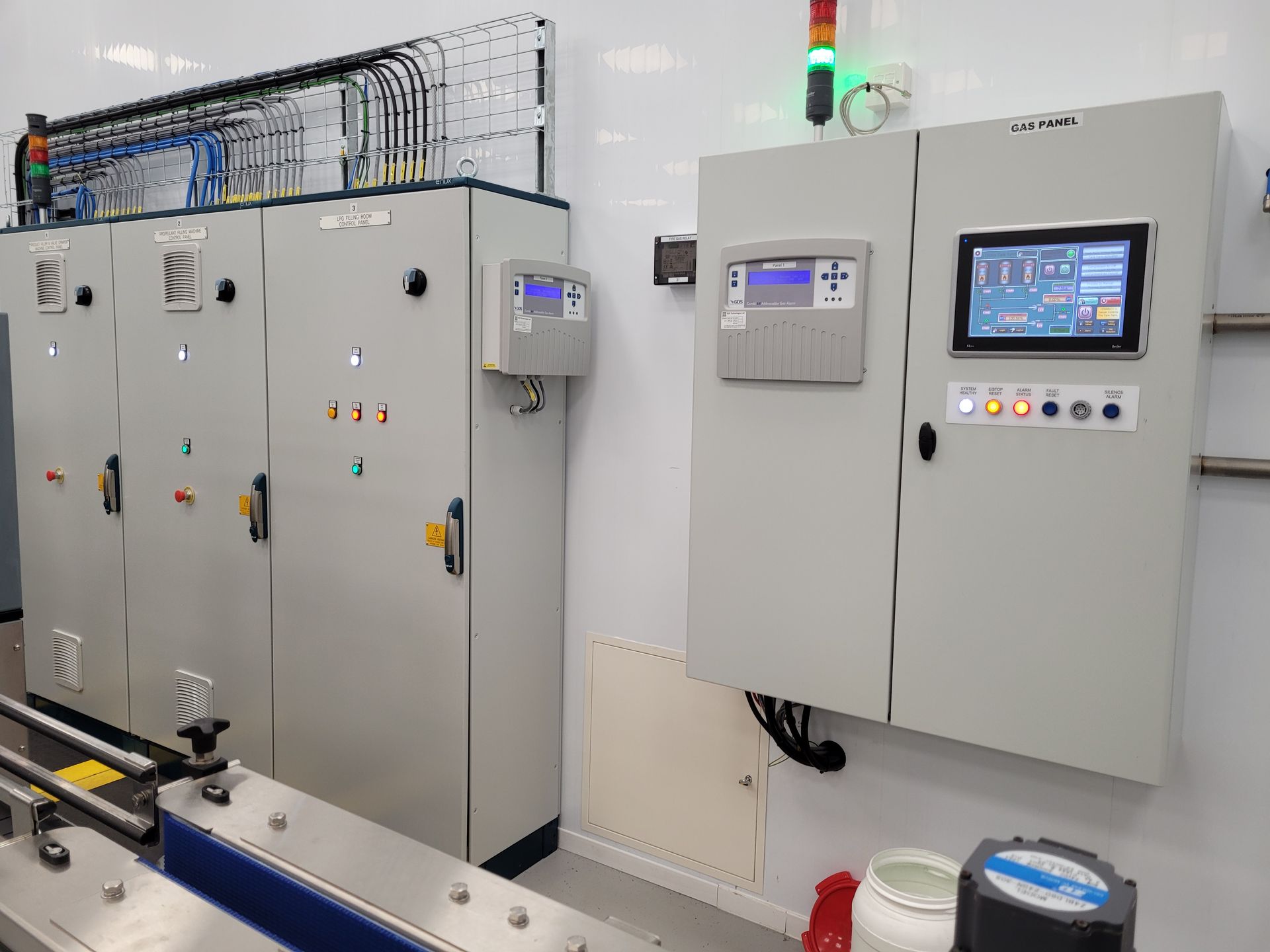
Programmable controllers can receive information from sensors and automatically start, stop or adjust equipment. An operator screen may then display pressures, temperatures, alarm conditions and equipment status in one place.
On more complex installations, panels can also communicate with wider monitoring systems so engineers can see what is happening across several pieces of equipment.
Current IEC 60092-504 requirements cover electrical, electronic and programmable equipment supporting automation, control, monitoring, alert, safety and protection systems on ships.
For businesses comparing marine control panel manufacturers, understanding exactly which functions are considered essential is therefore one of the first design conversations.
Why Are Vibration and Movement Such Important Design Considerations?
A vessel is rarely completely still. Engines, pumps and rotating equipment create vibration, while waves and vessel movement introduce additional motion. Electrical connections that remain undisturbed in a conventional building may experience very different conditions at sea.
IEC standards for marine and offshore electrical installations specifically recognise that fixed systems can be subjected to vibration and movement.
Panel design therefore needs to consider how equipment is mounted, how cables are secured and whether components are appropriate for the intended environment.
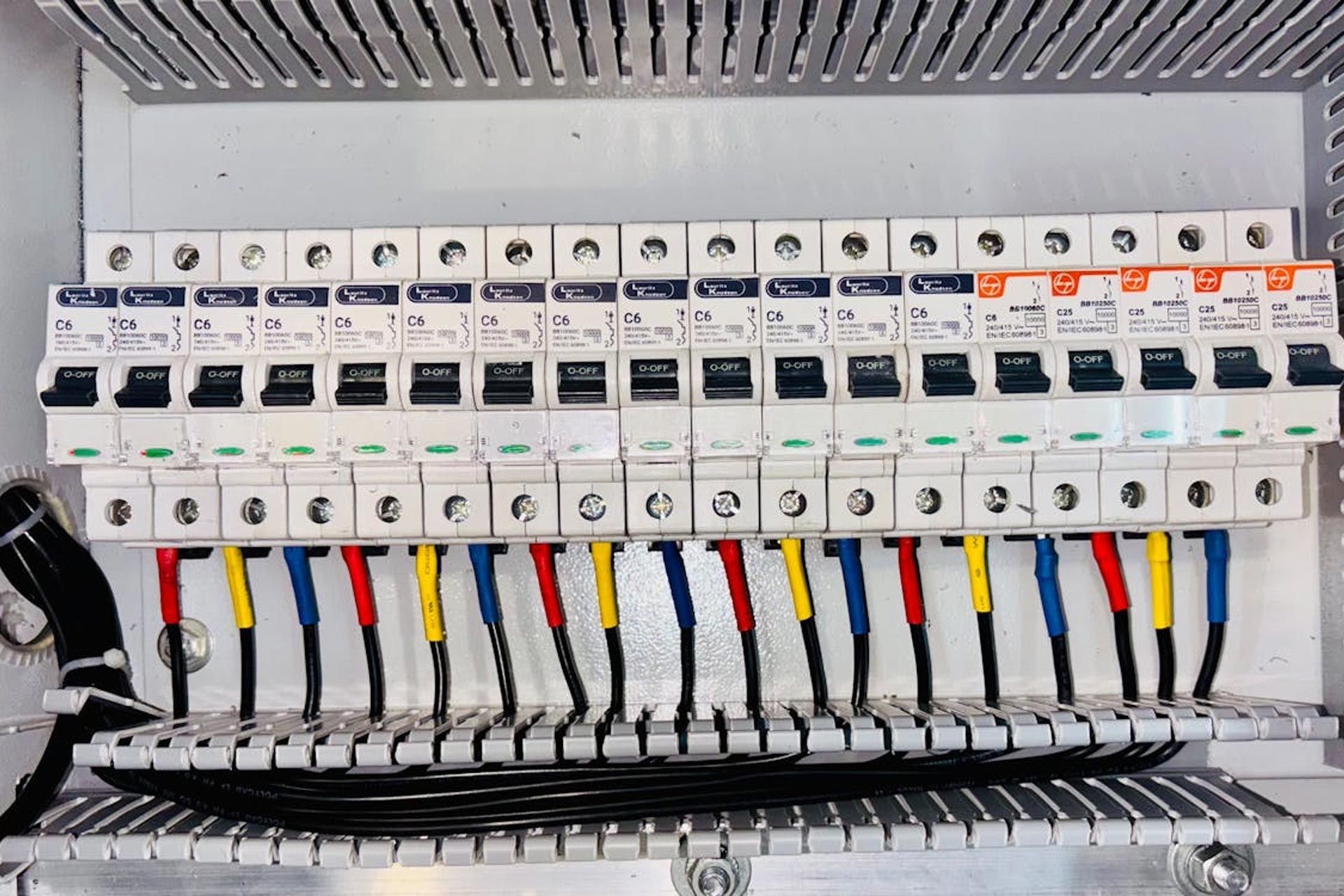
Loose terminals can create heat, intermittent faults or equipment failure. Good mechanical support and careful assembly are particularly important where the panel may operate continuously for long periods.
How Are Panels Protected From Water and Corrosion?
Moisture is another obvious challenge. Marine air can contain salt, while offshore equipment may also be exposed to condensation, spray and changing temperatures. The enclosure needs to provide an appropriate level of protection for where it will actually be installed.
That does not mean every panel needs the highest possible protection rating. A panel positioned inside a clean, controlled machinery space faces different conditions from one installed on an exposed deck.
Materials also matter. Corrosion-resistant enclosures, suitable cable glands and appropriate internal components can all help reduce deterioration.
The practical aim is to understand the installation location before specifying the enclosure, rather than treating every marine environment as identical.
Why Is Reliability So Important Offshore?
A failed panel in a factory may be accessible to an engineer within minutes. Offshore, obtaining specialist assistance or replacement components can take considerably longer.
Some controlled systems may also be essential to safe operation.
IEC 60092-302-2, which covers low-voltage marine power switchgear and controlgear assemblies, applies additional safety considerations because loss of electrical power in marine applications can have serious consequences.
This is why marine control panel manufacturers need to consider more than whether the system operates correctly during initial testing.
Component availability, fault diagnosis, clear labelling and accessible layouts all become important when somebody may need to investigate a problem at sea.
Where Are Pneumatic Controls Used in Marine Systems?
Electrical systems are often combined with pneumatic equipment. Compressed air can operate valves, actuators and other equipment where controlled mechanical movement is required. An electrical control system may decide when an action should happen, while pneumatic equipment physically carries it out.
This creates panels that combine electrical controls, instrumentation and pneumatic components. At S M Control we can manufacture combined motor, PLC, instrumentation and pneumatic panels among the types of control equipment that we create.
When selecting a pneumatic control panel manufacturer, businesses should therefore consider how the electrical and pneumatic parts of the system interact, rather than assessing them as completely separate installations.
How Can Panels Make Offshore Fault-Finding Easier?
Clear fault information can save considerable time. Instead of simply showing that a machine has stopped, a control system can indicate which condition caused the shutdown. An operator screen might identify a low-pressure alarm, motor fault, sensor failure or emergency-stop condition.
At S M Control, our panel systems can incorporate PLCs and HMI operator stations that display plant, machine and production information to operators.
Good screen design matters here. Hundreds of alarms appearing at once can make diagnosis harder. Operators need useful information in a logical order so they can identify what happened first and what needs checking.
Remote monitoring may also be appropriate for some applications, although cyber security and communications requirements need to be considered when equipment is connected beyond the local control network.
Why Does Testing Matter Before the Panel Goes Offshore?
Finding a wiring mistake in a workshop is inconvenient. Finding it after equipment has been installed on a vessel is usually much more difficult.
Panels are therefore typically checked before installation against drawings and functional requirements. Testing may include verifying wiring, protective devices, inputs and outputs, alarm behaviour and control sequences.
S M Control control panels are designed, built and tested as part of our manufacturing process, with motor control centres and low-voltage distribution boards manufactured to BS EN 61439 where applicable.
A pneumatic control panel manufacturer may also need to confirm that valves, pressure controls and actuators respond correctly alongside the electrical system before equipment reaches site.
Thorough factory testing cannot reproduce every condition the system will experience offshore, but it can remove many straightforward faults before commissioning begins.
What Makes a Good Marine or Offshore Control Panel?
There is no single panel design that suits every vessel or offshore installation. A useful specification starts with the equipment being controlled, where the panel will be installed and what would happen if it failed. From there, engineers can consider enclosure protection, vibration, corrosion, component selection, redundancy, maintenance access and the standards applying to the project.
The strongest marine control systems are often those that make life easier years after commissioning. Clear drawings, sensible layouts and readily identifiable components can matter just as much as sophisticated software when an engineer is diagnosing a fault far from shore.
What Is a Marine Control Panel?
A marine control panel contains electrical and electronic equipment used to operate and monitor systems aboard vessels or offshore installations, such as motors, pumps, valves and auxiliary machinery.
Are Marine Control Panels Different From Standard Industrial Panels?
They can be. Marine installations may require additional consideration of vibration, movement, corrosion, moisture, electrical safety and the consequences of equipment failure.
What Is a Pneumatic Control Panel?
A pneumatic control panel manages equipment operated by compressed air, such as valves and actuators. Pneumatic components can also be integrated with PLCs and electrical controls.
Why Are HMI Screens Useful Offshore?
An HMI can show equipment status, alarms and process information in one location, helping operators identify problems and understand what the system is doing.
Which Standards Apply to Marine Control Systems?
The applicable standards depend on the vessel, equipment and project. The IEC 60092 series covers numerous aspects of electrical installations aboard ships and offshore units, including control, automation and low-voltage switchgear.