Is Industrial Automation Worth It for Businesses?
Industrial automation can sound like a straightforward route to greater productivity. However, the reality on a working factory floor can be more nuanced.
Automation can deliver meaningful improvements when it is applied to the right process, but an expensive system solving the wrong problem can simply introduce another piece of equipment that needs maintaining.
For businesses considering automation, the useful question is where people are currently spending time, where mistakes or delays occur and whether those problems happen frequently enough to justify changing the process.
Which Tasks Are Usually Worth Automating?
The strongest candidates tend to be repetitive, predictable tasks that happen many times throughout a shift. If actions always follow the same sequence, industrial automation controls can allow a programmable controller to manage much of the process automatically.
An operator can then supervise the system, respond to exceptions and concentrate on tasks that require judgement.
Automation can also help where timing matters. Mixing ingredients for exactly five minutes or maintaining a tank at a particular temperature is easier to reproduce when the process is controlled consistently rather than depending on someone remembering each individual step.
At S M Control, we design HMI and PLC systems for processes including manufacturing, chemical handling and water treatment, where these kinds of repeatable sequences are common.
Does Automation Always Mean Reducing Staff?
That is often how automation is discussed, although it can be a misleading way to judge its value.
In practice, many projects change what employees spend their time doing. A worker who previously watched a machine continuously may instead supervise several processes, deal with quality issues or prepare the next production run. This becomes particularly useful where businesses struggle to recruit people for repetitive or physically demanding jobs.
Automation also creates its own skills requirements. Someone still needs to understand the equipment, investigate faults and maintain the system.
Can Machine Control Systems Improve Product Consistency?
Consistency can be one of the less visible benefits of automation. If every item in a production process requires the same quantity of material, pressure, temperature or processing time, then small variations between operators or shifts can gradually affect quality.
Well-designed machine control systems can repeat the same sequence and monitor whether key conditions remain within agreed limits.
This does not guarantee perfect production. Sensors can fail, mechanical components wear and raw materials can vary. What automation does provide is a consistent starting point and clearer information when something moves outside the expected range.
For businesses producing high volumes, reducing the margin for error even slightly can be commercially significant.
How Can Automation Reduce Unplanned Downtime?
A machine stopping unexpectedly is expensive because the cost includes more than the repair itself. Staff may be waiting, production schedules slip and later orders can be affected.
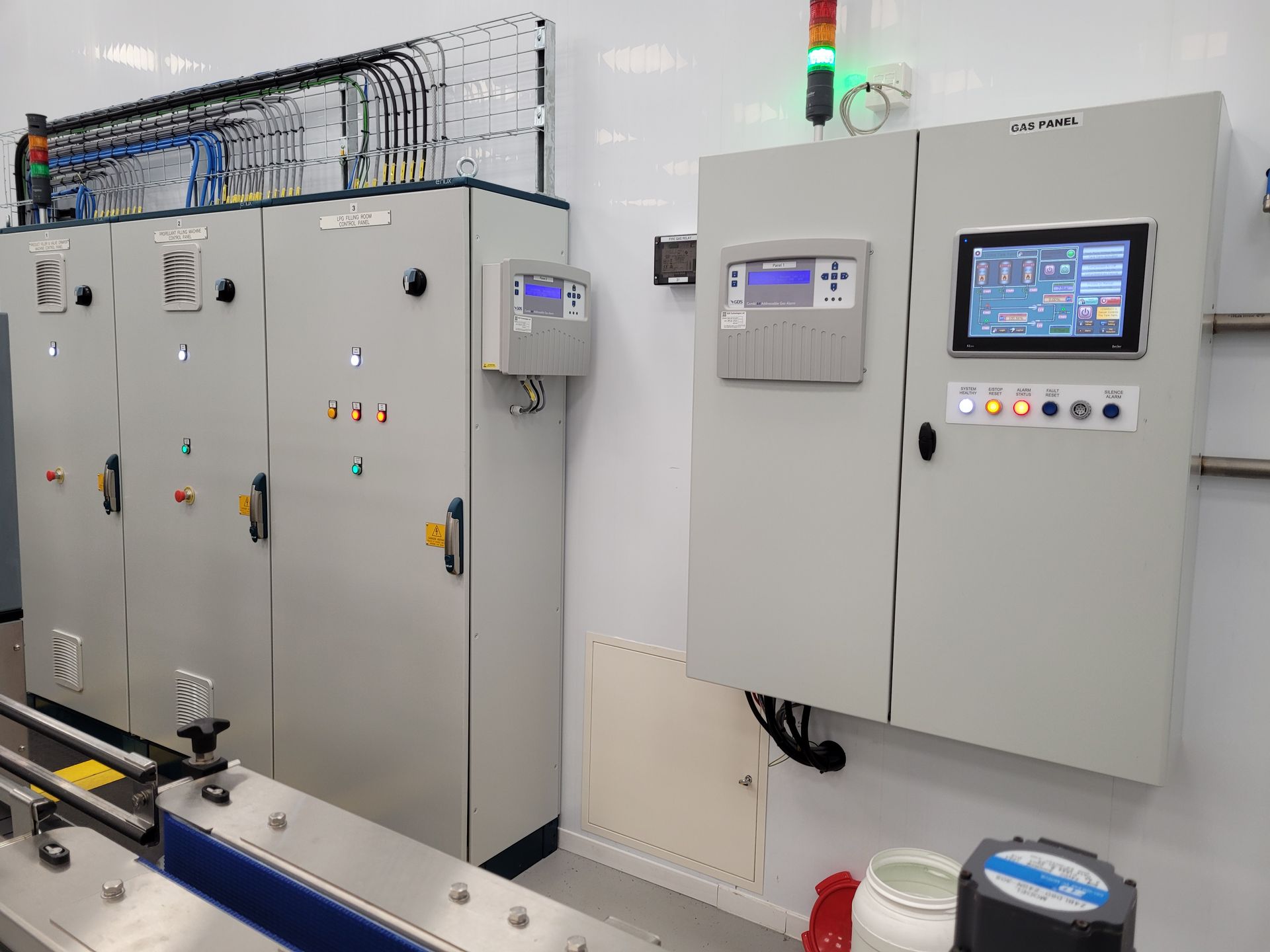
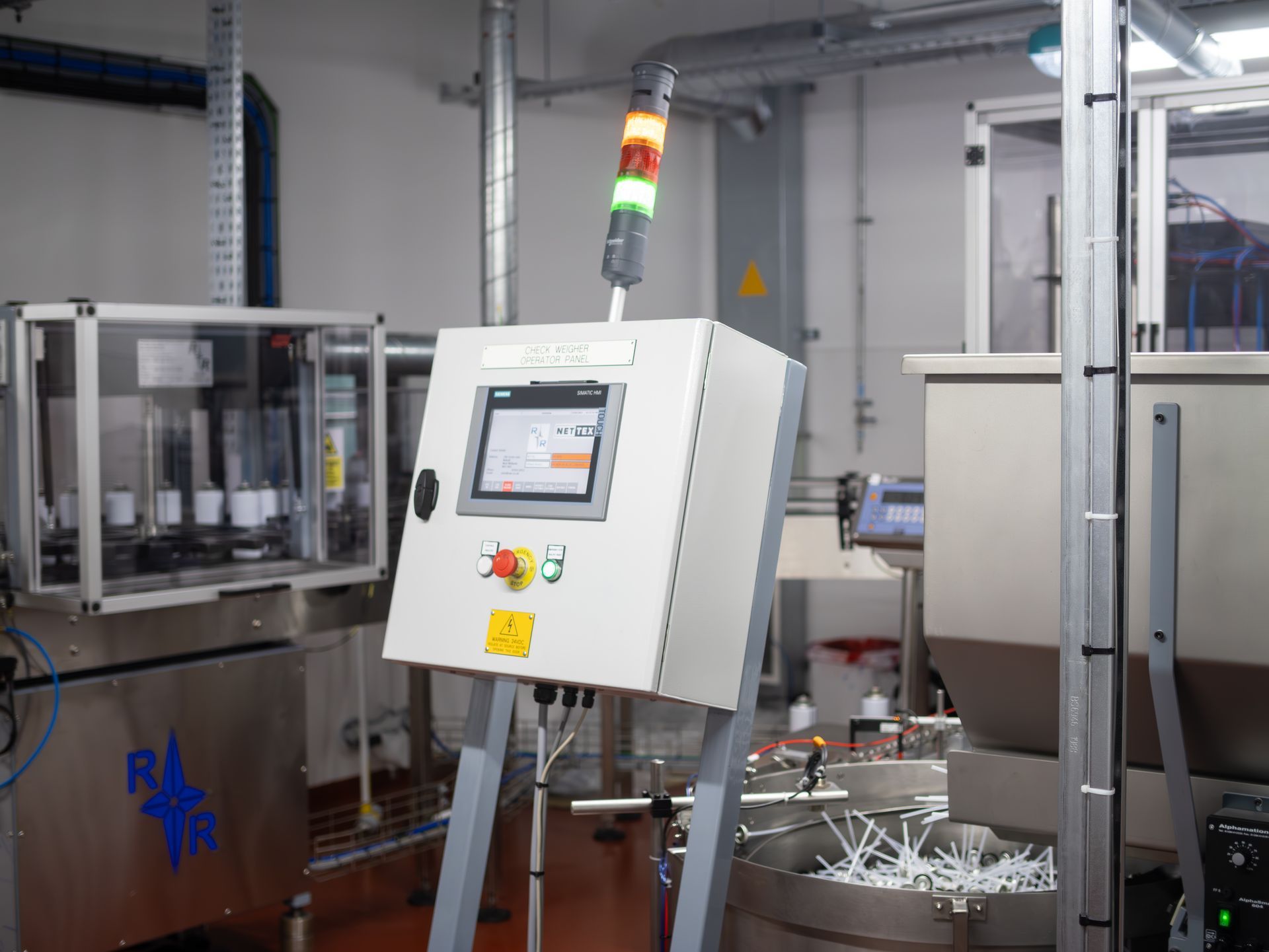
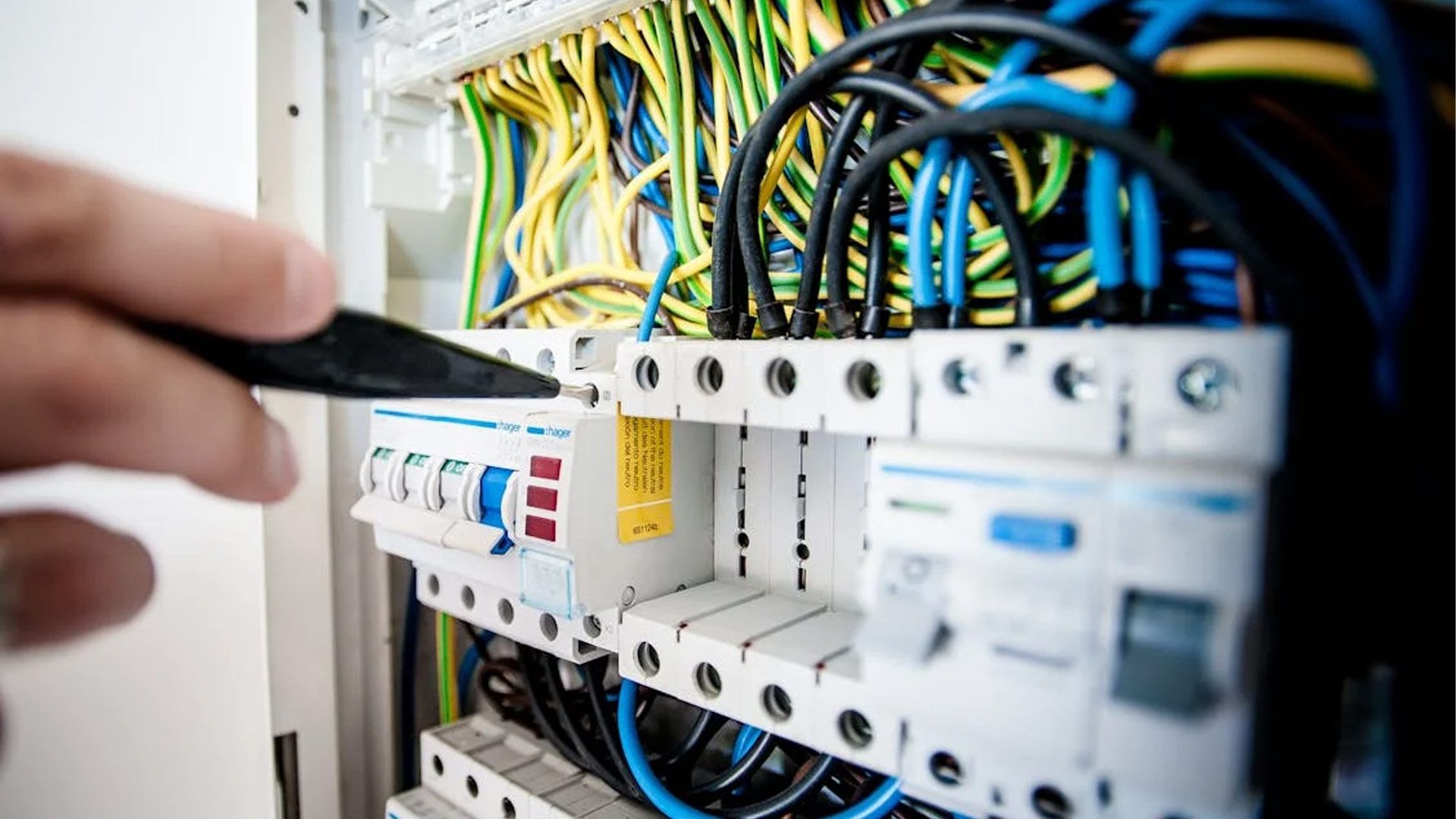
Modern industrial automation controls can collect information about how equipment is behaving. Operators may be able to see motor faults, temperatures, pressure levels or other process conditions from a control screen.
This makes fault-finding quicker because maintenance staff have somewhere to start rather than simply knowing that "the line has stopped".
Some systems can also generate warnings before a condition reaches the point where the machine has to stop.
The benefit depends heavily on choosing useful information. Filling an operator screen with hundreds of readings creates noise. The aim should be to show the information people genuinely need to make decisions.
When Might Automation Be Difficult to Justify?
Low-volume or frequently changing work can be harder to automate economically. If a manufacturer produces ten completely different bespoke items each week, the time spent programming and reconfiguring an automated system could outweigh the time saved during production. The same applies to processes that already operate efficiently with little labour involvement.
Businesses should therefore calculate the current cost of the problem before looking at technology. Consider labour hours, scrap, downtime, maintenance, production bottlenecks and lost capacity.
The investment can then be compared against a realistic estimate of what automation could change.
Should You Automate an Existing Machine or Replace It?
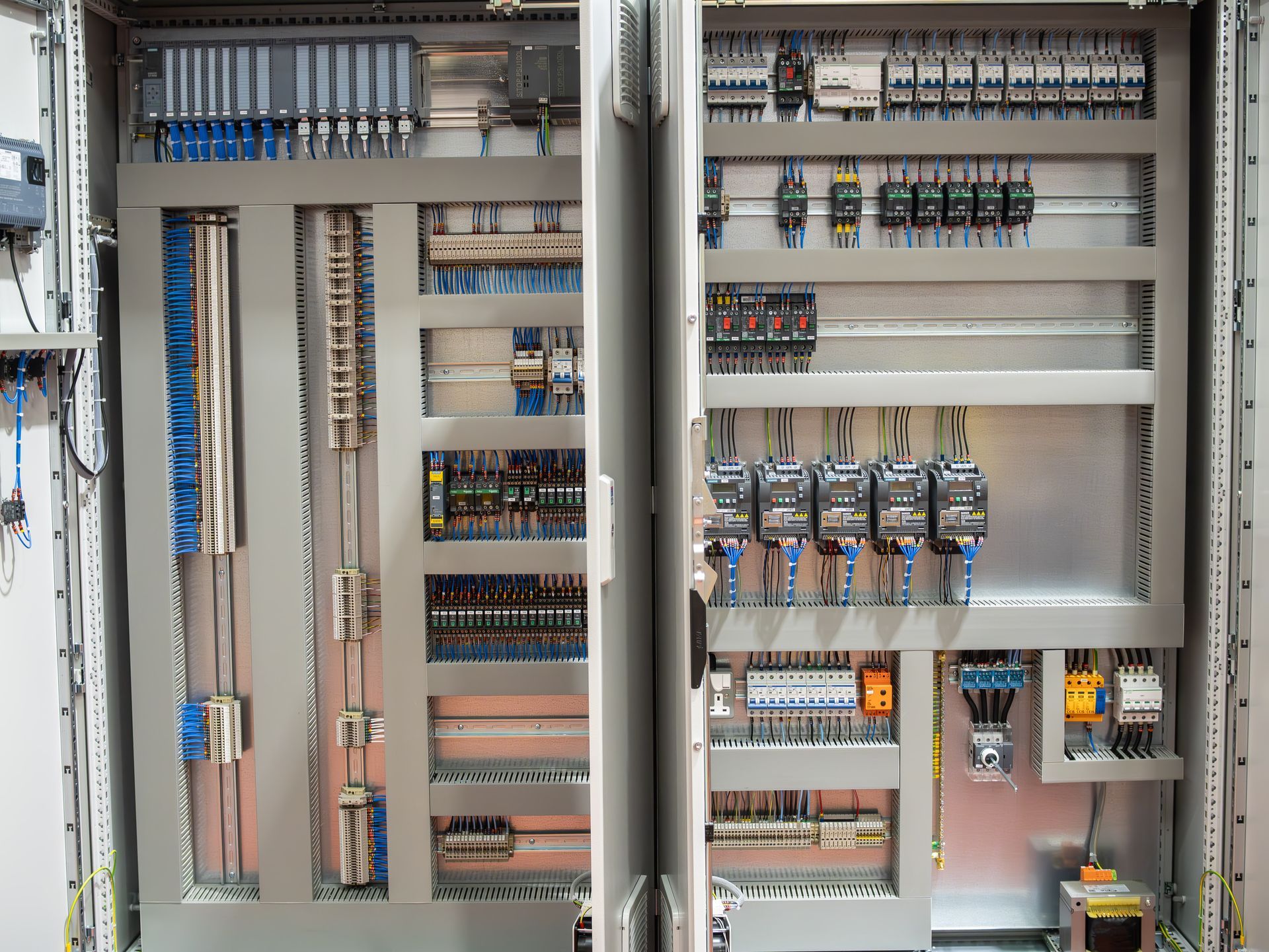
Complete replacement is not always necessary. Older machinery may sometimes be upgraded with new controls, sensors, drives or operator interfaces. Updated machine control systems can improve visibility and control while retaining mechanical equipment that remains perfectly serviceable.
The decision depends on the condition of the machine and how easily the new equipment can be integrated.
At S M Control, we develop control systems that can be integrated into existing installations as well as completely new equipment. Our systems can use programmable controllers, operator screens and central monitoring software from manufacturers including Siemens, Rockwell, Mitsubishi and Omron.
Before upgrading, businesses should also consider spare-part availability and whether the existing equipment is likely to remain mechanically reliable for long enough to justify the investment.
How Can Businesses Decide Whether Automation Is Worth It?
Start with the process rather than the technology. Identify where production regularly slows down, where operators repeat the same actions and where errors, waste or downtime occur. Put approximate costs against those problems, then decide what improvement would make the investment worthwhile.
For one business, that might mean producing another 20 units per shift. For another, it could mean reducing product waste, removing a physically demanding task or making it easier for one operator to supervise several machines.
Automation tends to make the strongest commercial case when the problem is clearly understood and measurable before the project begins.
How Quickly Does Industrial Automation Pay for Itself?
There is no standard payback period. It depends on the investment cost and the savings achieved through labour utilisation, additional output, reduced waste or lower downtime.
Can Existing Machinery Be Automated?
Often, yes. Older equipment can sometimes be upgraded with modern controllers, sensors, drives and operator interfaces if the mechanical equipment remains suitable.
Does Automation Require Specialist Staff?
Businesses normally need people who understand how to operate and maintain the system, although the level of specialist knowledge required varies according to its complexity.
Is Automation Suitable for Small Manufacturers?
It can be. Smaller projects such as automating one repetitive process may offer a more practical starting point than attempting to automate an entire factory at once.
What Should Be Reviewed Before Investing in Automation?
Look at current labour requirements, production volumes, downtime, waste, maintenance costs, process variation and how frequently the product or production method changes.