The Benefits of Industrial Automation in UK Manufacturing
UK manufacturers are under pressure to produce consistently while managing rising employment, energy and input costs. At the same time, many businesses are finding it difficult to recruit people with the technical skills they need. Make UK reported in 2026 that half of manufacturers regard skills shortages as their biggest barrier to growth.
Industrial automation can help address some of these pressures, although its value depends on where and how it is applied. The strongest projects usually start with a specific production problem, such as repeated manual handling, inconsistent output or frequent downtime, rather than a general ambition to automate the factory.
How Can Automation Increase Production Capacity?
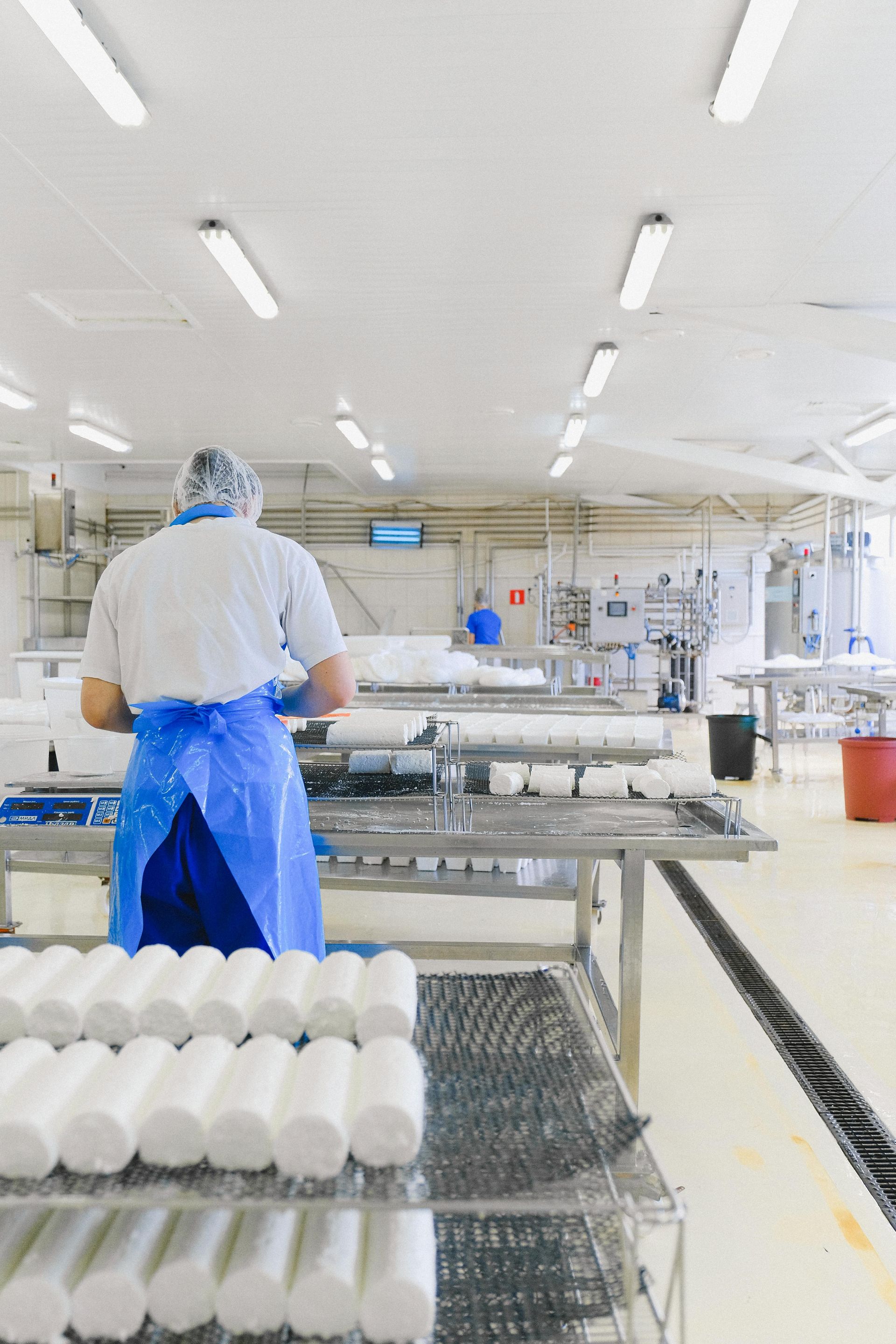
Automation works particularly well when a process consists of repeatable steps.
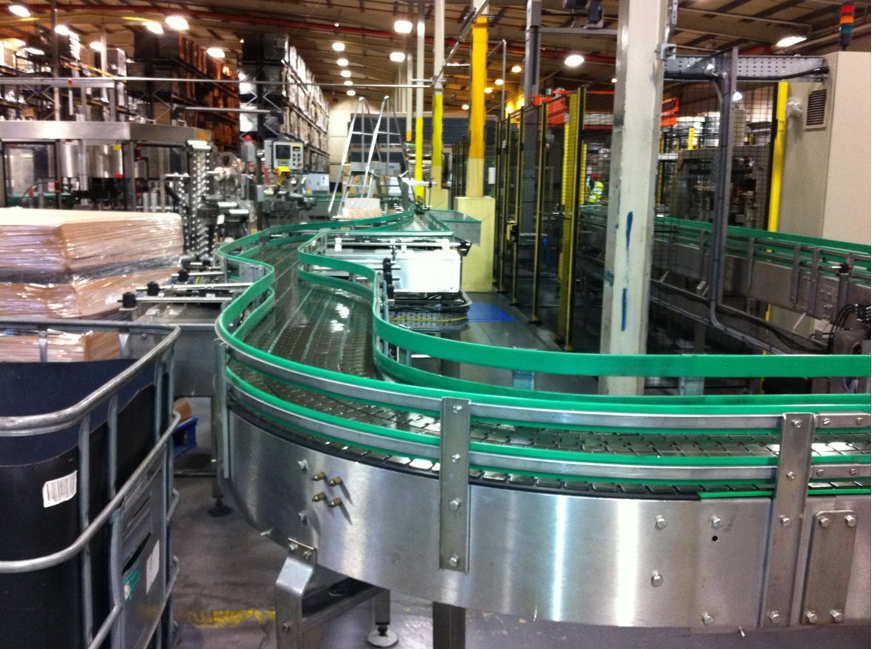
Consider a production line where an operator manually starts a conveyor, checks a level, opens a valve and waits for a particular temperature before beginning the next stage. Machine control systems can monitor those conditions and carry out the sequence automatically once the correct parameters have been reached.
The practical benefit is consistency. The system does not become distracted or forget that a particular action should happen after 30 seconds rather than 45.
That can help manufacturers increase throughput without necessarily making machinery run faster. Removing waiting time between stages, reducing manual intervention and keeping processes moving consistently can all increase how much a line produces during a shift.
Can Automation Help With Skills Shortages?
Automation is sometimes presented purely as a way to reduce headcount. On real production sites, the picture is usually more complicated.
Automating repetitive processes can allow experienced employees to spend less time watching machinery and more time on quality control, maintenance, production planning or resolving unusual problems.
That can be valuable when skilled labour is difficult to recruit.
Make UK's 2026 research found that 99% of manufacturers believe access to skills will influence their future growth plans, while two thirds expect to employ more people in 2035 than they do today.
This suggests that automation and workforce development are increasingly happening together. Modern automation and control systems still need engineers, operators and maintenance teams who understand what the equipment is doing.
How Does Automation Improve Product Consistency?
Manual processes inevitably contain some variation. One operator may run a mixing cycle slightly longer than another. A filling process may vary between shifts. A temperature-controlled stage could remain outside its preferred range for longer than intended before somebody notices.
Automated controls can monitor these variables continuously.
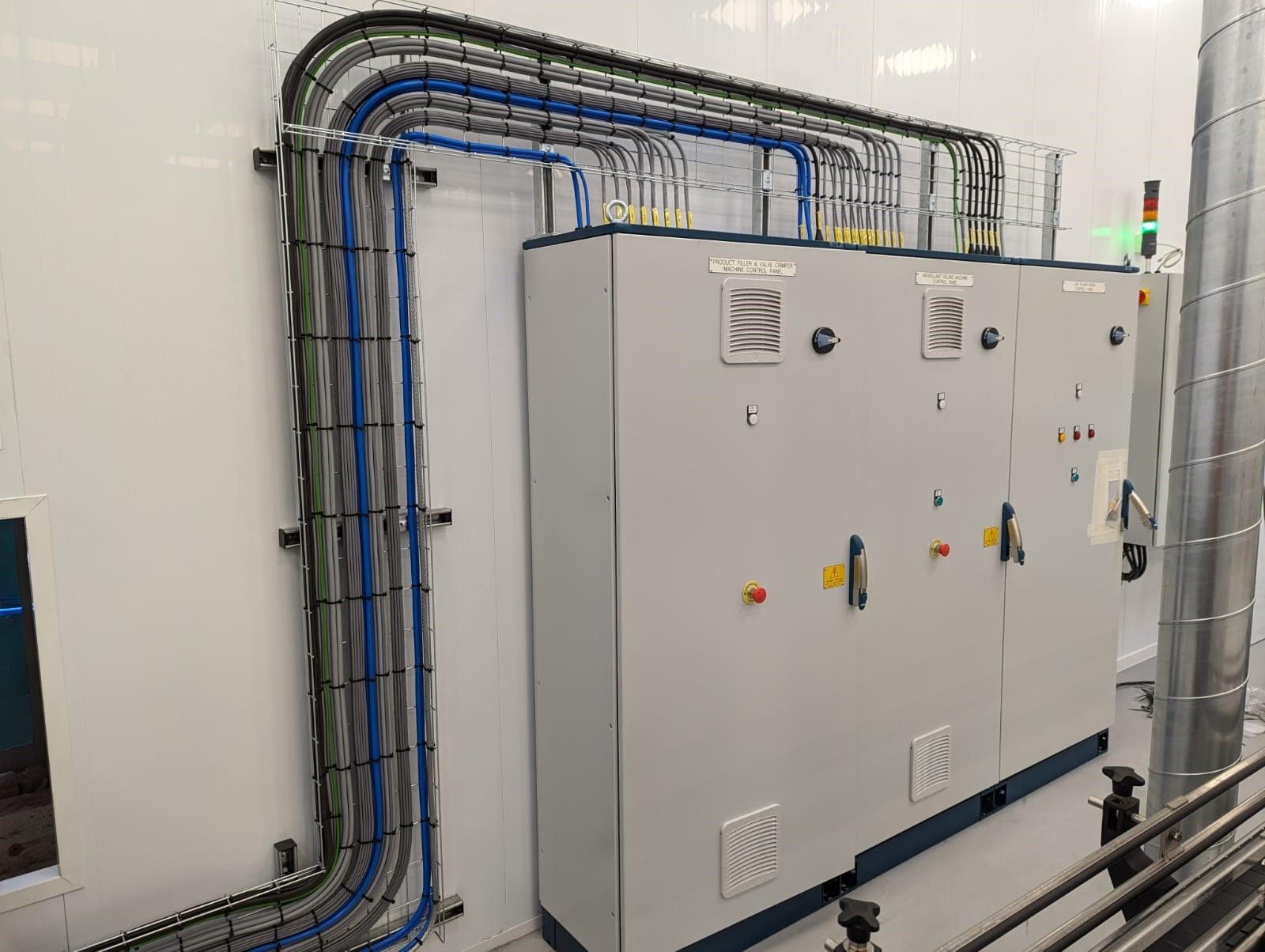
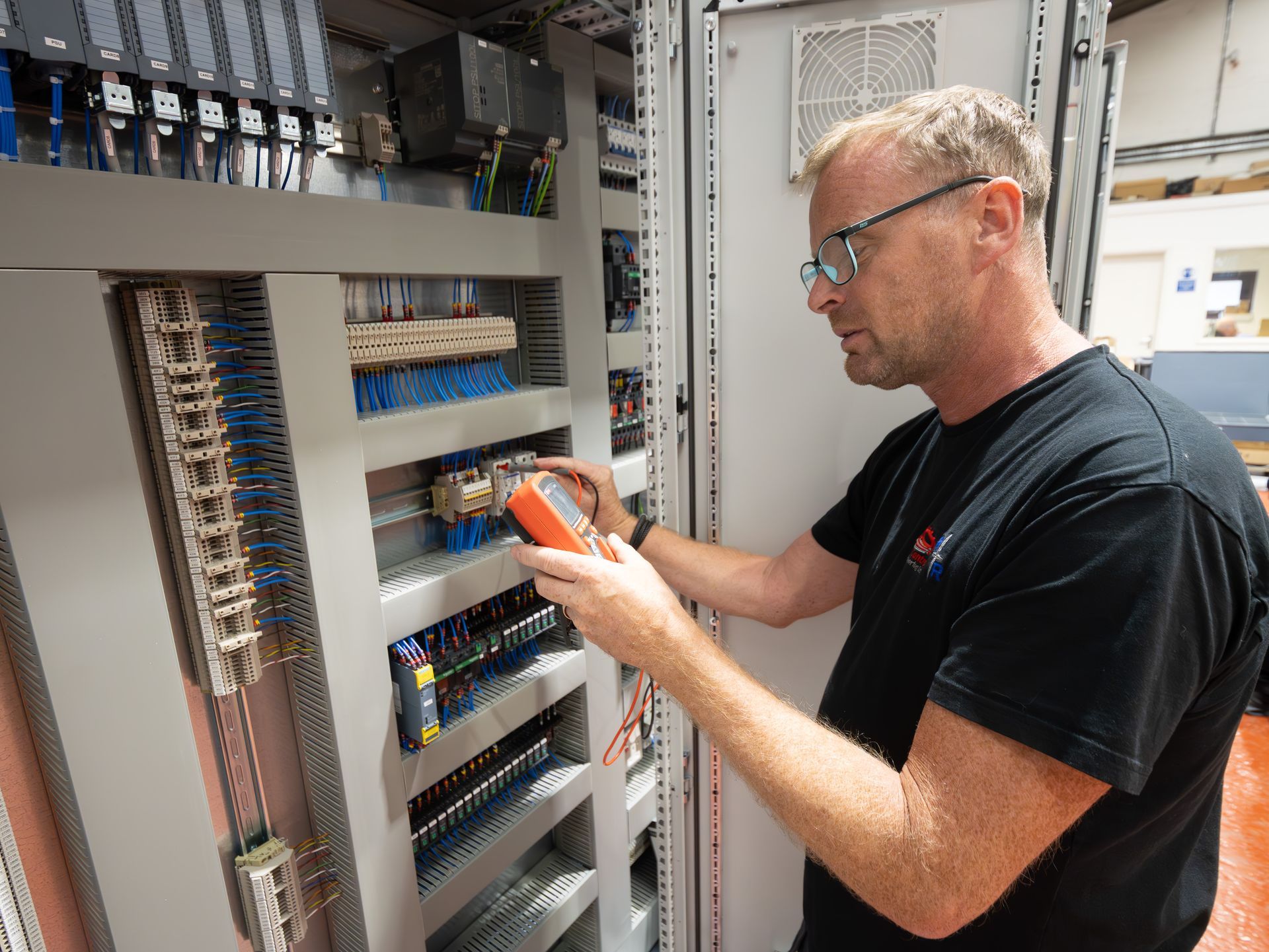
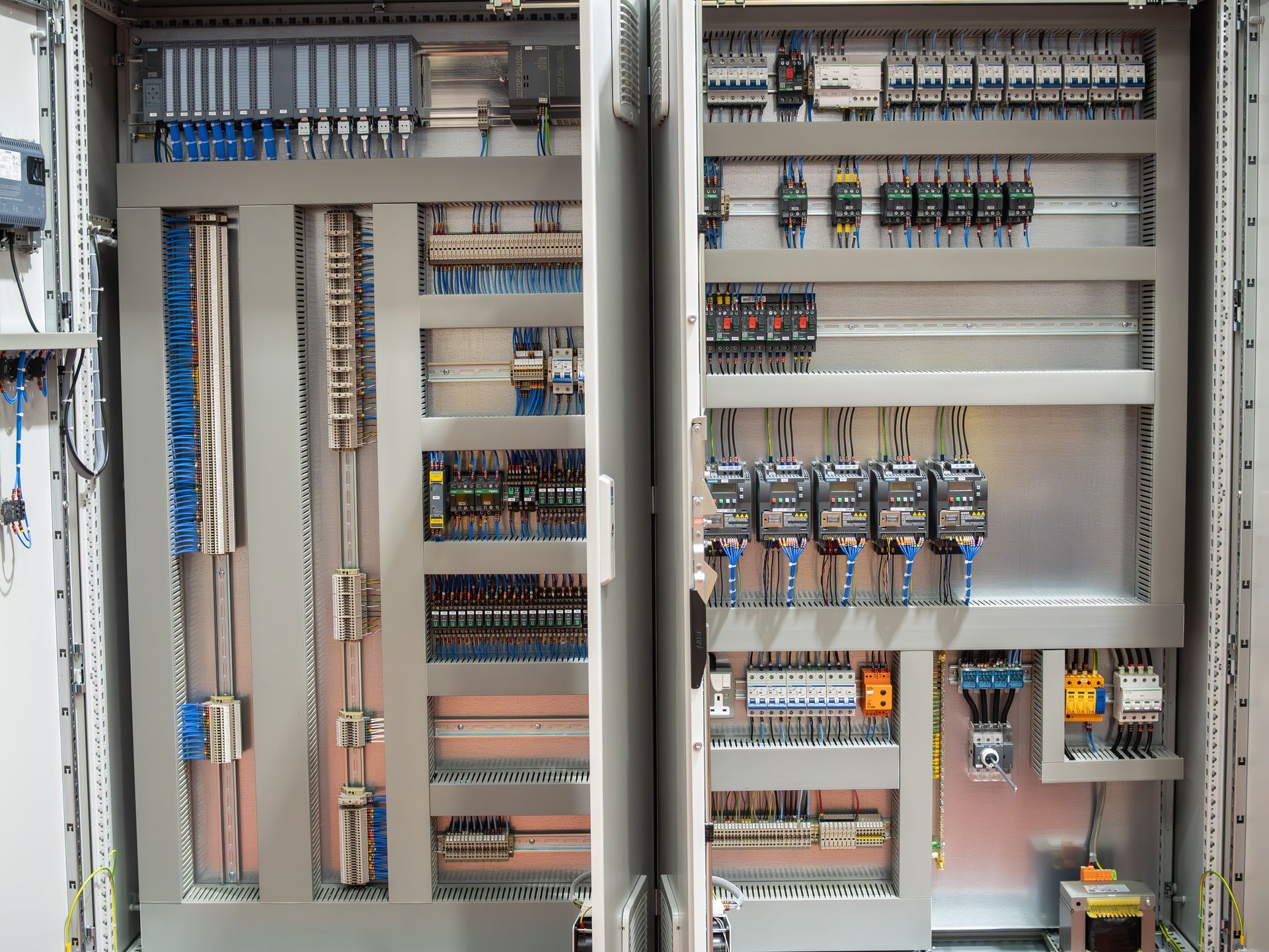
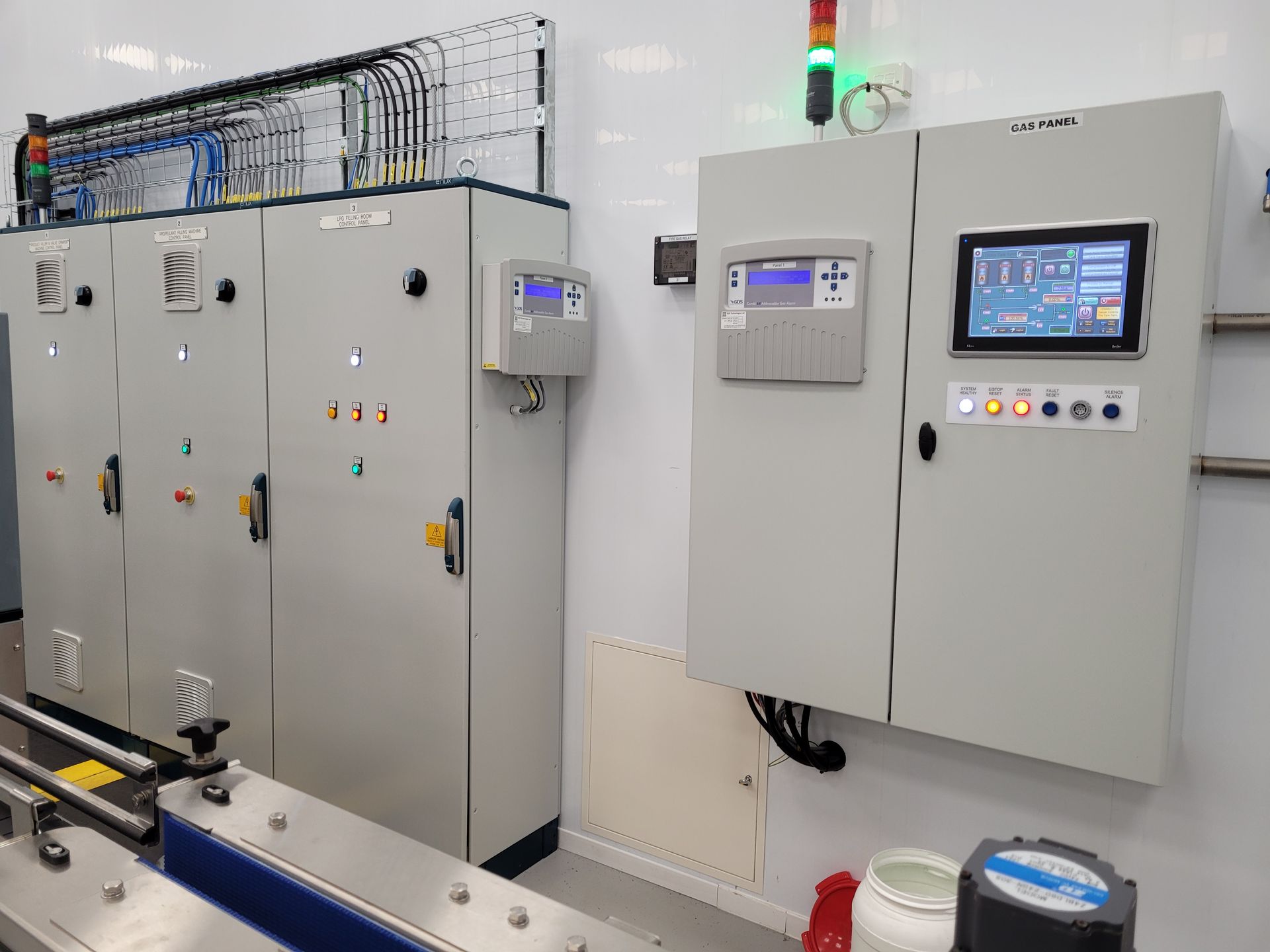
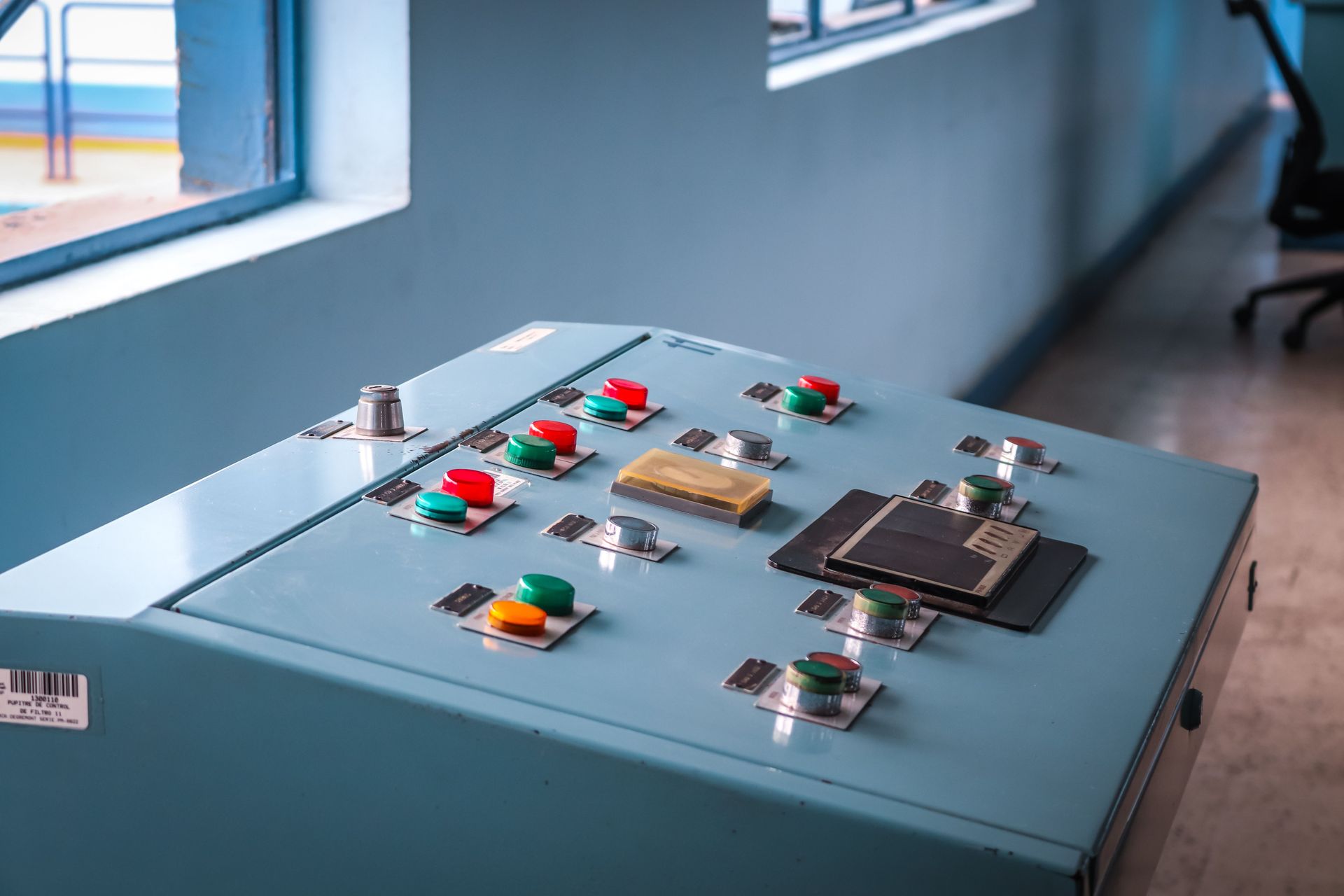
PLC-based machine control systems, for example, can use information from sensors to manage motors, pumps, valves and other equipment according to predetermined conditions. S M Control uses PLC and HMI systems across manufacturing applications, with operator screens providing machine and process information in real time.
Automation cannot eliminate every quality problem because raw materials, mechanical wear and other factors still vary. It can, however, remove some of the variation caused by manually repeating the same process.
Can Automation Reduce Production Downtime?
One useful advantage of modern control systems is the amount of information they can provide when something goes wrong.
Older machinery may simply stop. Engineers then have to trace the problem through switches, sensors and mechanical components until they find the cause.
Modern automation and control systems can record alarms, operating conditions and process data. A maintenance engineer might immediately see that a motor has tripped, pressure has fallen below its operating range or a particular sensor has stopped responding.
S M Control's SCADA systems can collect and store process information over time, including alarms, trends and production data.
Historical information can also reveal recurring problems. If the same motor repeatedly overloads during one part of the production cycle, the maintenance team has something specific to investigate rather than waiting for a complete failure.
Can Industrial Automation Help Control Energy Use?
Energy has become an increasingly important production cost for UK manufacturers. Make UK's Q3 2026 outlook reported that high energy, employment and input costs continued to influence investment decisions across the sector.
Automation can help businesses see where energy is being used and control equipment more closely.
Motors, pumps, extraction systems and conveyors do not necessarily need to run continuously at maximum output. Sensors and variable-speed drives can allow equipment to respond to actual production demand.
Monitoring can also highlight unusual consumption. If one production line suddenly starts using considerably more power to produce the same number of units, that may point towards a mechanical or process problem worth investigating.
The savings will vary considerably between sites, so manufacturers should measure current consumption before assuming a particular return.
Does Automation Make Manufacturing Safer?
It can reduce the amount of direct human involvement in some hazardous or repetitive processes.
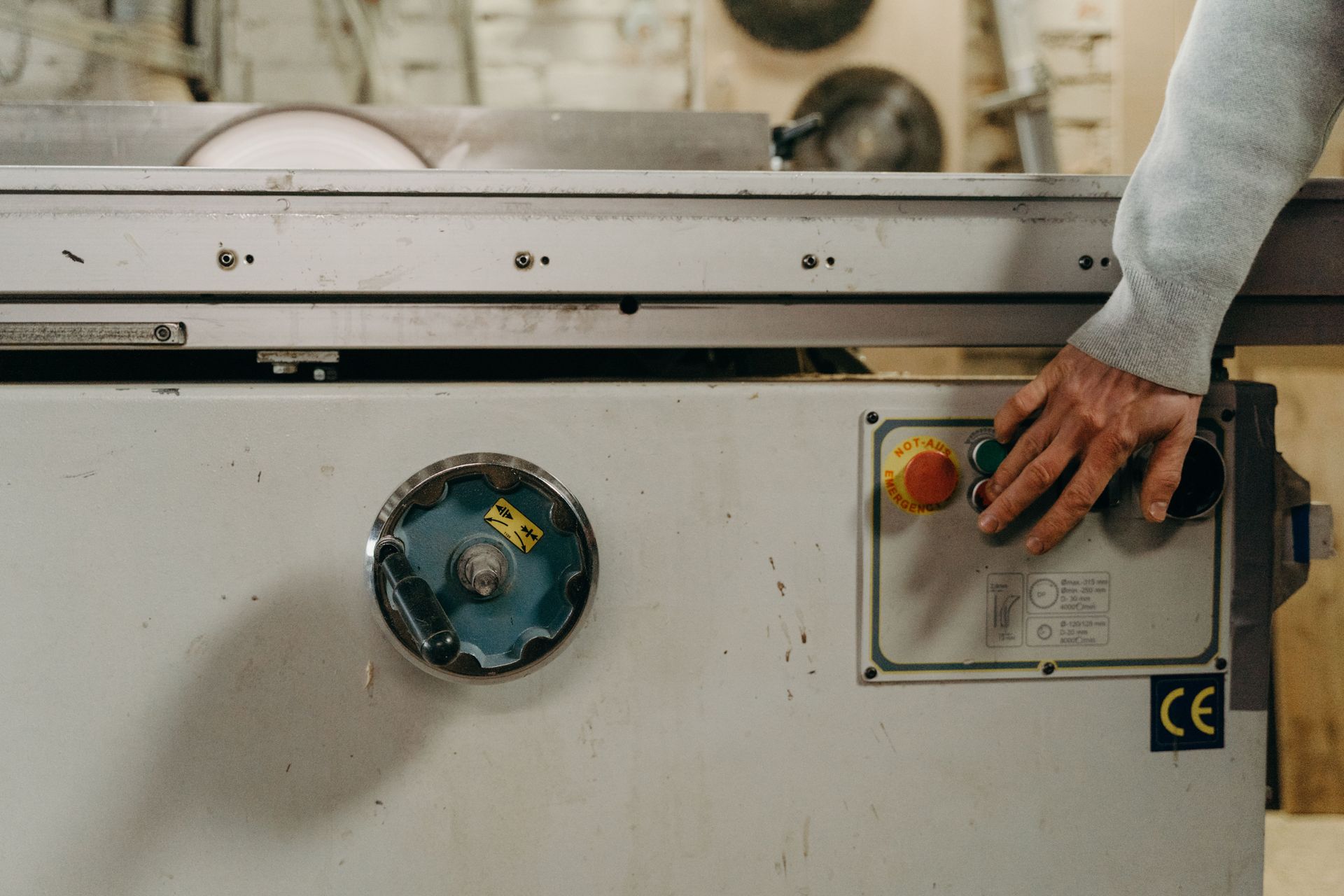
Automated systems can control machinery operating around high temperatures, moving components, chemical processes or heavy materials. Safety PLCs, interlocks and emergency-stop systems can also prevent certain machine actions when predefined safety conditions have not been met.
S M Control incorporates safety considerations into its PLC and HMI design, including safety PLCs or redundant systems where the application requires them.
Automation does not remove the need for proper risk assessment, guarding or training. It provides another way to control how people and machinery interact.
Should Manufacturers Automate an Entire Production Line at Once?
Usually, it makes more sense to begin with a clearly defined problem.
Look for bottlenecks, repetitive manual processes, frequent errors or equipment that regularly causes downtime. Put a cost against the existing issue and calculate what level of improvement would justify investment.
Existing equipment does not always need replacing either. PLCs, control panels, drives, sensors and operator interfaces can sometimes be integrated into machinery that remains mechanically sound.
S M Control supports both new installations and upgrades to existing plant, including control panels, PLCs, HMIs and SCADA systems.
For many UK manufacturers, the benefit of automation therefore comes from targeted improvements rather than trying to create a completely automated factory overnight.
What Is Industrial Automation?
Industrial automation uses control equipment such as PLCs, sensors, drives and software to operate and monitor manufacturing processes with reduced manual intervention.
Can Automation Be Added to Existing Machinery?
In many cases, yes. Older equipment can sometimes be upgraded with modern controls, sensors and operator interfaces if the mechanical parts remain suitable.
Does Automation Always Reduce Staffing Levels?
No. It can change how employees spend their time, allowing operators to move away from repetitive supervision towards maintenance, quality control and other higher-skilled work.
How Can Automation Reduce Downtime?
Modern control systems can provide alarms, fault information and historical process data, giving engineers more information when diagnosing equipment problems.
How Should a Manufacturer Decide What to Automate First?
Start with a measurable production problem. Processes involving repeated manual work, frequent downtime, quality variation or bottlenecks are often useful areas to investigate first.